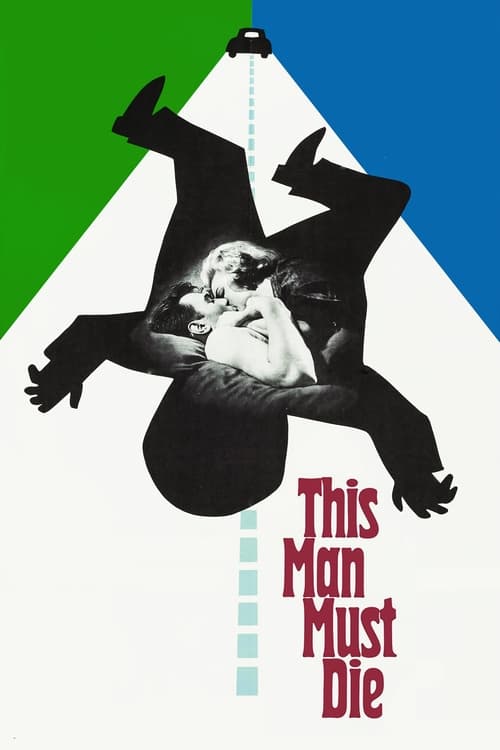
This Man Must Die
1969
No user ratings available yet
Representation score: 2.5 out of 10

Representation Score
Limited
1958
NRDirector
Roger Vadim
Runtime
91 minutes
Average Rating
No ratings yetNew Showbiz Analysis
The film provides a nuanced exploration of human behavior by rejecting rigid moralism. It excels in examining instinct-driven impulses and the fragility of social decorum, offering a sophisticated critique of societal laws. However, the film remains demographically uniform, with a predominantly white cast and adherence to traditional romantic structures.
Category Breakdown
The film does not include explicit LGBTQ+ identities or non-straight relationships. The central romance focuses solely on the female protagonist and the male antagonist.
The story challenges traditional gender roles by focusing on the female protagonist's actions and emotions. Her decisions and emotional journey drive the plot, breaking away from submissive stereotypes common in 1950s cinema.
The film features a predominantly white European cast, reflecting the demographics of its time. There are no characters from diverse racial or ethnic backgrounds.
The narrative explores moral relativism, emphasizing human instincts over established social norms. It highlights the breakdown of social order as a key theme, questioning traditional institutional stability.
The film does not depict any characters with visible or invisible disabilities.
Present on Screen
Limited or Absent
Official Synopsis
Novitiate Ursula leaves the convent and becomes involved with Lambert, who blames her lecherous uncle, the count Ribera, for his sister's death.
1969

1958
1956
1955
1955
1946

1976

1944
No reviews yet. Be the first to share your thoughts on this movie!
Use the rating form above to leave a star rating and optional review.