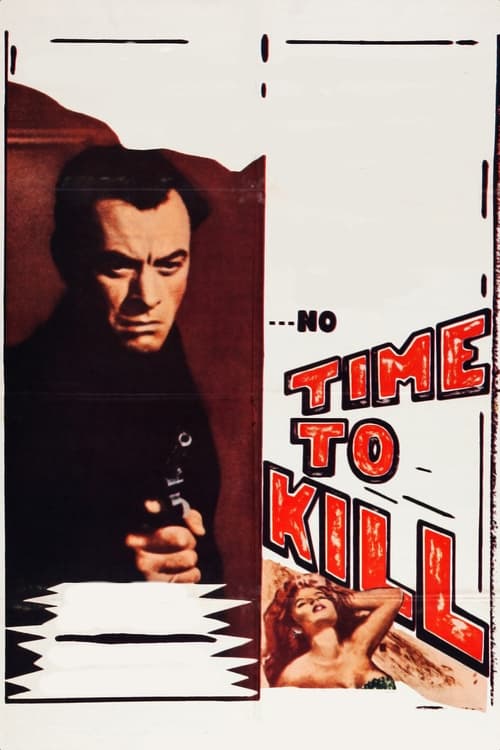
No Time To Kill
1963
No user ratings available yet
Diversity score: 3.8 out of 10
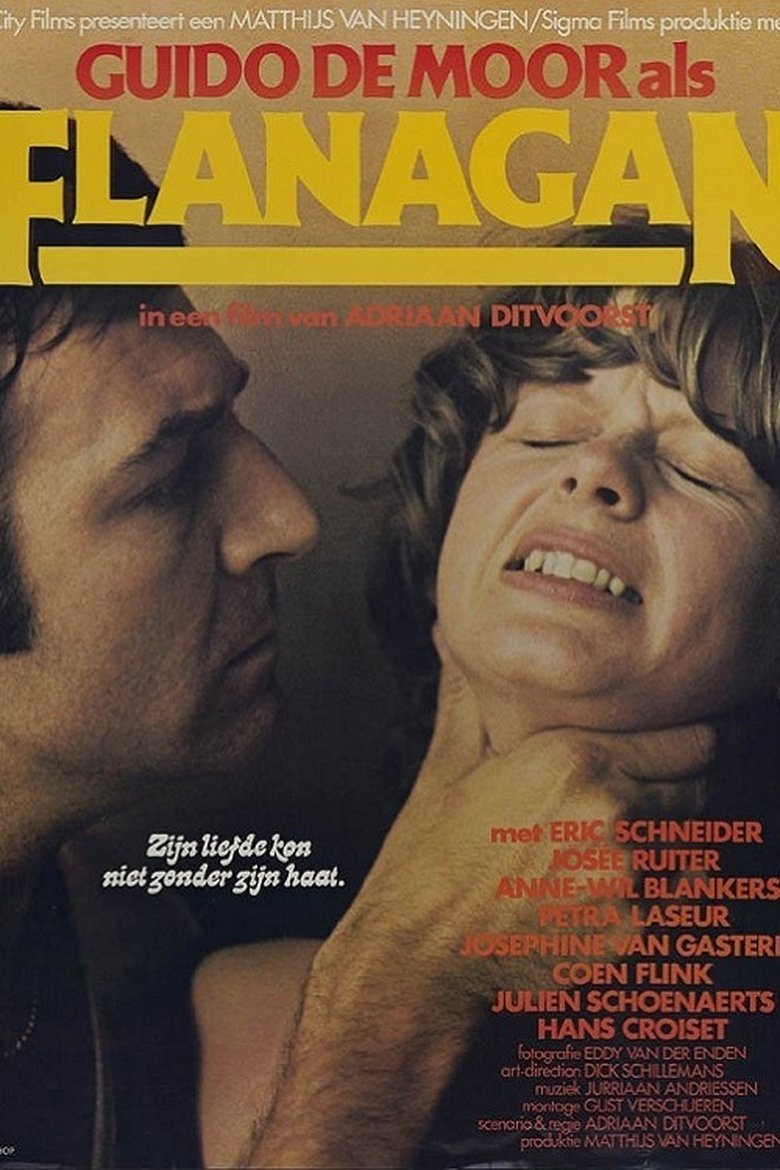
1975
Director
Adriaan Ditvoorst
Runtime
110 minutes
Average Rating
No ratings yetSynopsis
Paul Flanagan is released from jail after serving for 8 years. He only has two things on his mind. First: to retrieve the money from the robbery he was convicted for. Secondly: to get revenge on his partners in crime (his half-brother Paul and his ex-lover Cathy), who got away Scot free and never once visited him in jail.
Overall Score
Limited
Category Breakdown
LGBTQ+ Representation
The film establishes a history of romantic intimacy through the mention of an ex-lover. However, it lacks explicit evidence of non-heteronormative identities or a critique of heteronormativity.
Gender Representation
The story centers on a traditional conflict between a male protagonist and a female counterpart. It remains unclear if the film subverts or reinforces standard gender hierarchies.
Racial & Ethnic Diversity
The narrative focuses on a localized, individualistic struggle. There is no indication of a diverse cast or intentional intersectional casting within the provided context.
Religious & Cultural Diversity
The film challenges social stability by centering a protagonist who rejects reintegration. It offers a critique of social loyalty and traditional justice systems through a lens of moral relativism.
Disability Representation
There is no documented evidence regarding the portrayal of physical or neurodivergent disabilities in this work.
Strengths
Areas for Improvement
AI Analysis
Flanagan is a psychological character study that prioritizes themes of betrayal and systemic disillusionment over demographic breadth. The narrative structure favors a descent into personal vendetta rather than a traditional redemption arc. While the film lacks significant markers of intersectional representation across race, gender, or orientation, it finds complexity in its cynical exploration of human agency. It avoids moral didacticism by framing vengeance as a response to social abandonment. Ultimately, the work is defined by its transgressive narrative stance rather than its diversity of identity.
1963

2005
1981
1999

2019
2002

1955
1994

1997

1957
2021
No reviews yet. Be the first to share your thoughts on this movie!
Use the rating form above to leave a star rating and optional review.