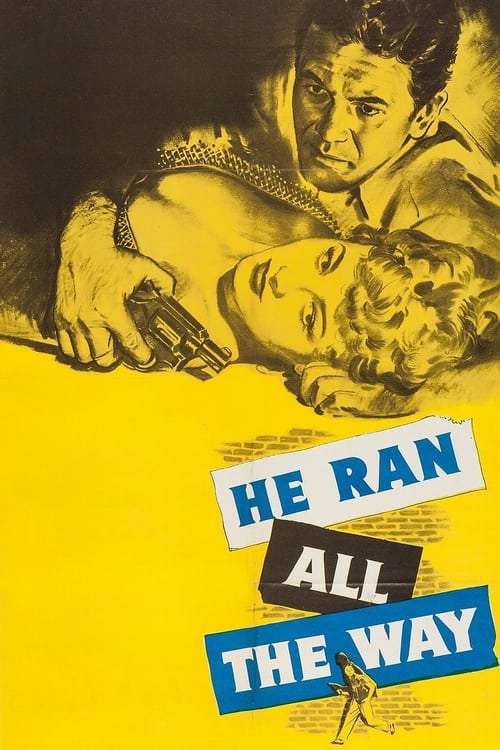
He Ran All the Way
1951
No user ratings available yet
Representation score: 1.4 out of 10

Representation Score
Minimal
1949
Director
Lawrence Huntington
Runtime
82 minutes
Average Rating
No ratings yetNew Showbiz Analysis
Man on the Run is a product of its 1949 temporal context, functioning as a traditional British crime thriller. The narrative is built around established genre clichés and the social mores of the post-war period. The film lacks intentionality regarding representing multiple aspects of identity or disrupting social hierarchies. Instead, it reinforces the demographic norms of mid-century cinema through its character archetypes and setting. While the protagonist's status as a deserter creates friction with authority, the film remains within the bounds of conventional justice-oriented storytelling.
Category Breakdown
The film does not include any LGBTQ+ characters or narratives that question the assumption that everyone is straight or cisgender. It follows the standard romantic and social structures typical of the post-war era.
The story focuses on a male protagonist, though a war widow provides some active involvement by helping him evade the police. Her role largely follows the traditional cliché of a supportive female companion.
The narrative reflects the era's lack of racial diversity, focusing on a homogeneous social environment. It depicts white, Anglo-Saxon social structures as the default norm.
Themes center on an individual's struggle against legal and military institutions. This serves as a standard thriller cliché rather than a systemic critique of Western institutions.
There is no information regarding the inclusion or portrayal of characters with physical or neurodivergent disabilities.
Present on Screen
Limited or Absent
Official Synopsis
An Army deserter, still a fugitive in Post-War Britain, wanders into a pawn-shop robbery and finds himself wanted for murder. He meets a war widow who helps him elude the police while he looks for the real criminals.
1951

1950
1948

1949

1949
1947
1948

1956
No reviews yet. Be the first to share your thoughts on this movie!
Use the rating form above to leave a star rating and optional review.