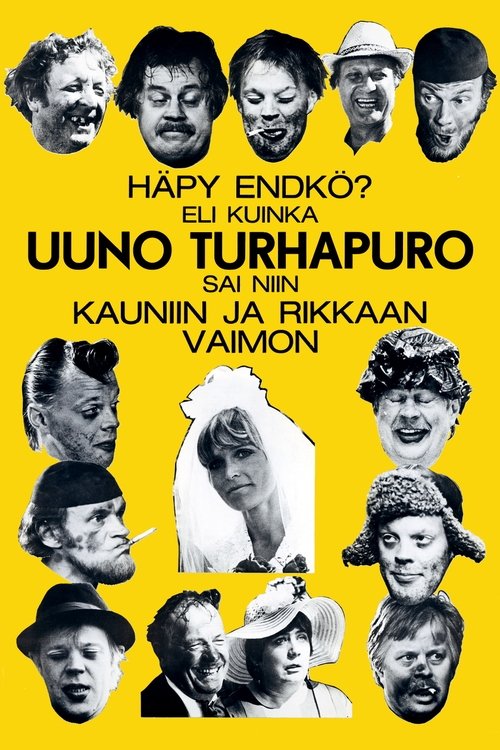
Häpy endkö? Eli kuinka Uuno Turhapuro sai niin kauniin ja rikkaan vaimon
1977
No user ratings available yet
Diversity score: 3.4 out of 10
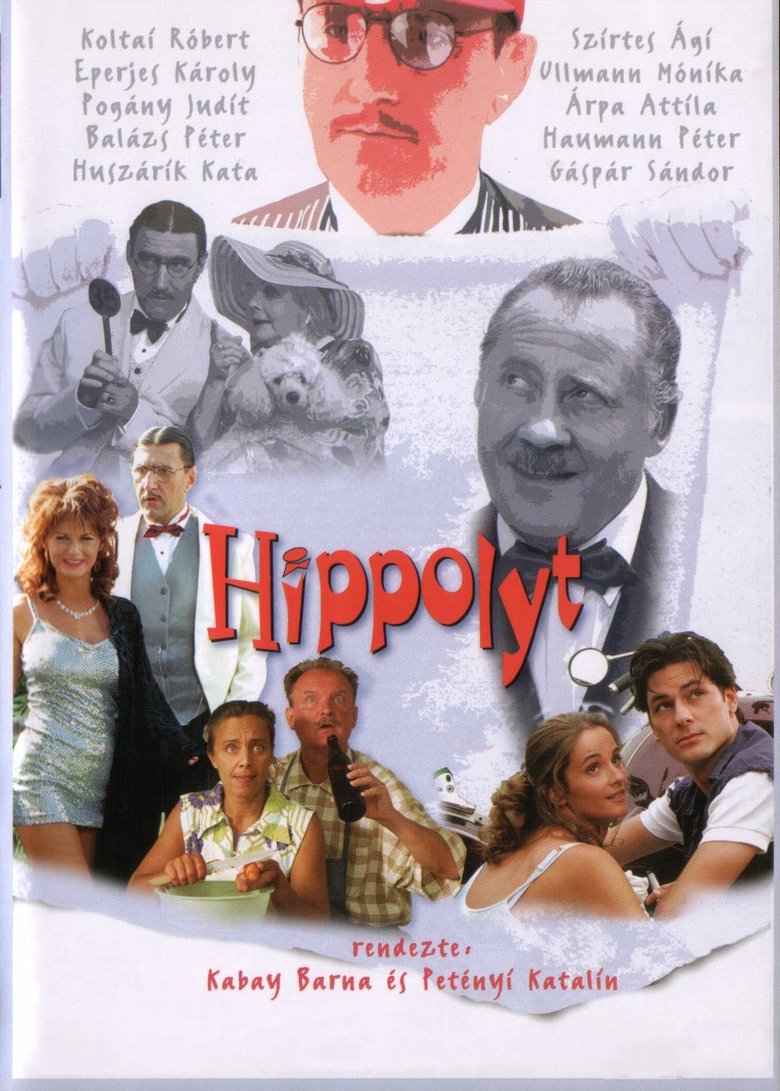
1999
Director
Barna Kabay, Katalin Petényi
Runtime
93 minutes
Average Rating
No ratings yetSynopsis
Mr. Schneider became wealthy after the end of the communism, but still remained a simple man. Her wife although wants a lackey.
Overall Score
Limited
Category Breakdown
LGBTQ+ Representation
The film contains no mention of non-heteronormative identities or same-sex dynamics. There is no evidence of critiques regarding heteronormativity within the narrative.
Gender Representation
A domestic power struggle exists between a husband and wife. While the wife's desire for a 'lackey' hints at subverting submissive tropes, the conflict centers on class rather than gender hierarchies.
Racial & Ethnic Diversity
The setting suggests a homogeneous social environment. There is no evidence of a multi-ethnic ensemble or intentional efforts to include non-white perspectives.
Religious & Cultural Diversity
The story explores the transition from communism to capitalism and the breakdown of old social structures. It captures the instability of post-communist societal norms during a period of institutional change.
Disability Representation
No characters with visible or invisible disabilities are identified in the film's documentation.
Strengths
Areas for Improvement
AI Analysis
Hippolyt is a localized social comedy focused on the socio-economic shifts following the collapse of communism in Eastern Europe. The narrative prioritizes the domestic friction between a newly wealthy man and his status-seeking wife. While the film successfully captures a specific historical moment of institutional transition, it lacks intentionality regarding intersectional identity. The focus remains on class aspiration and the psychological effects of post-communist capitalism rather than systemic social critiques. Ultimately, the film functions as a character-driven study of wealth and social elevation within a specific cultural context, offering little in the way of broader identity-based representation.
1977

2007
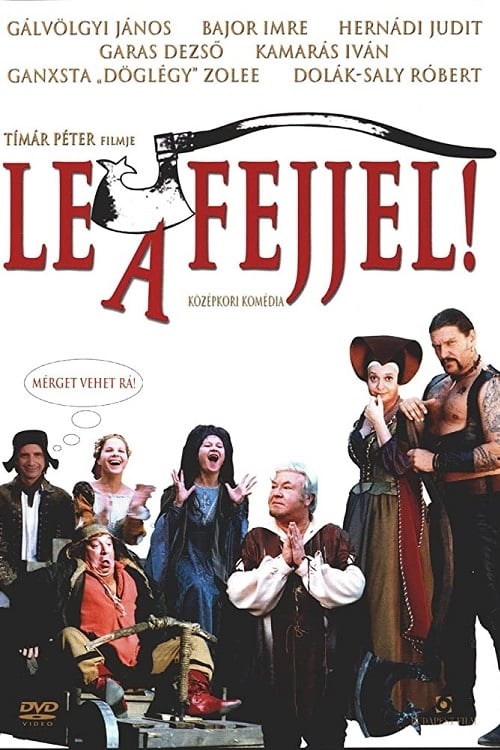
2005
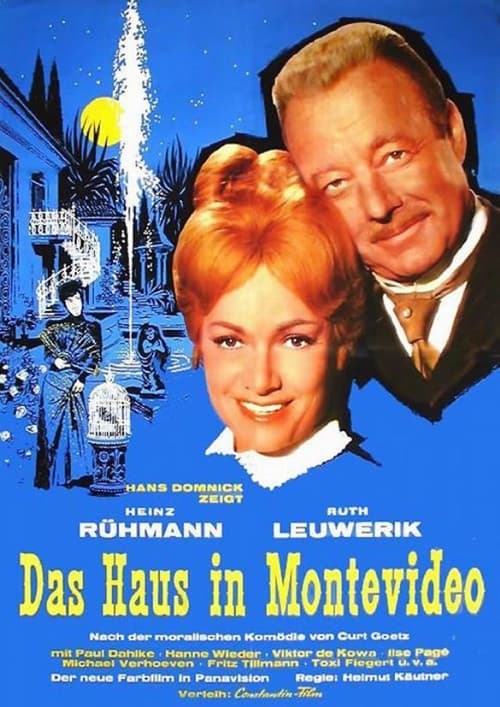
1963
1951
1973

2017

1999
1964

2015

2002
1958
No reviews yet. Be the first to share your thoughts on this movie!
Use the rating form above to leave a star rating and optional review.