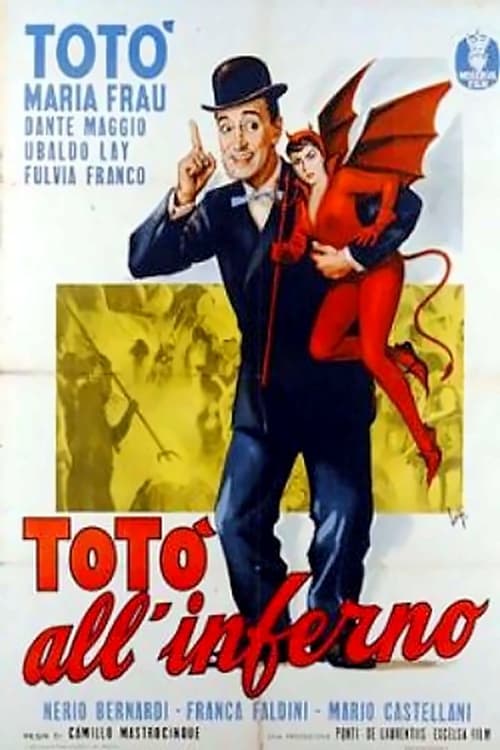
Totò all'inferno
1955
No user ratings available yet
Diversity score: 2.7 out of 10
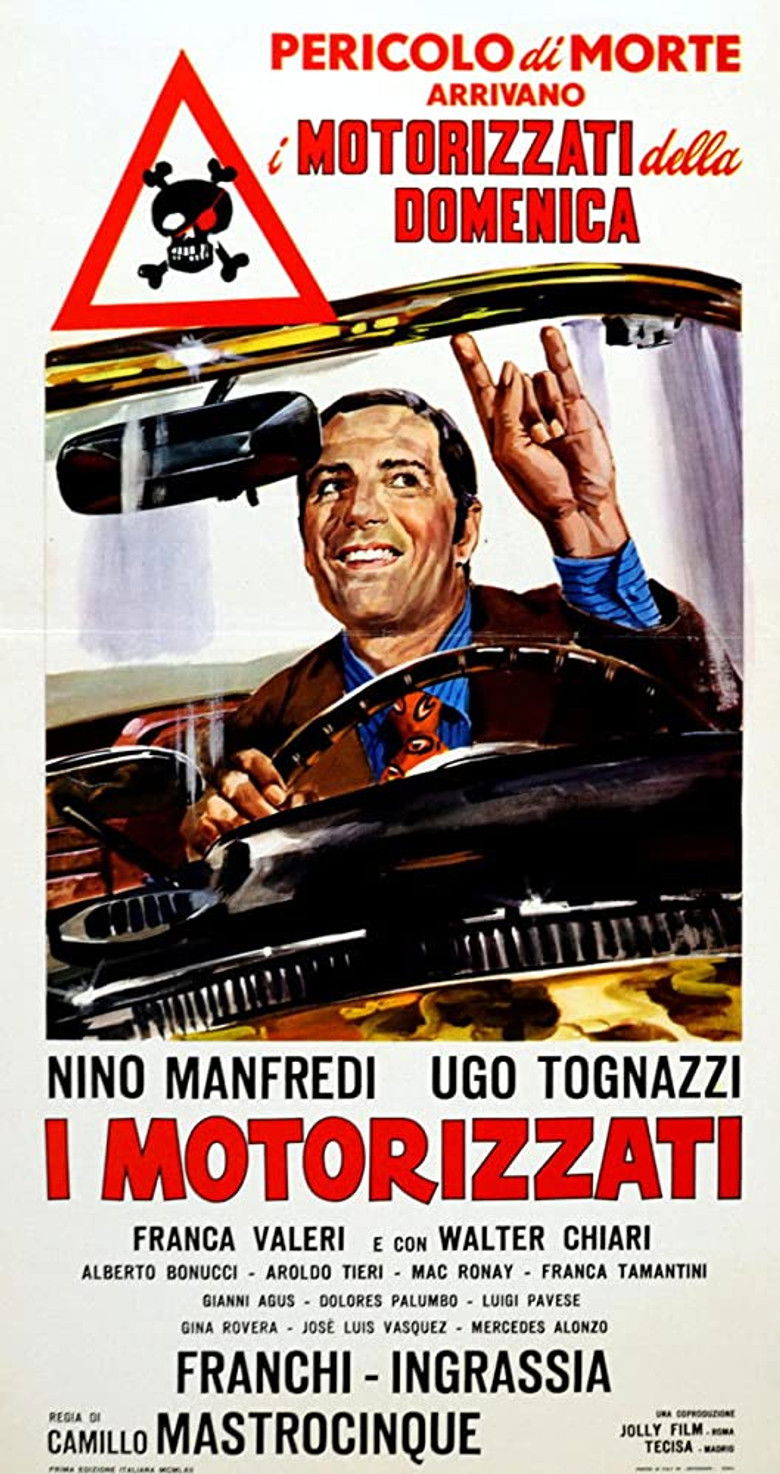
1962
Director
Camillo Mastrocinque
Runtime
95 minutes
Average Rating
No ratings yetSynopsis
A guy is about to become the millionth citizen to buy a car in Rome. Frightened, he decides to remain pedestrian, and recalls several stories, with new car owners as protagonists. Episodic comedy.
Overall Score
Limited
Category Breakdown
LGBTQ+ Representation
The film lacks any evidence of non-cisnormative identities. It appears to focus on mainstream social observations within the context of 1962 Italy.
Gender Representation
The narrative likely reflects the period's standard domestic or secondary roles for women. There is no evidence of female characters driving the plot through significant agency.
Racial & Ethnic Diversity
The setting is localized to Rome, suggesting a cast that reflects the domestic homogeneity of mid-century Italy. There is little evidence of intersectional or non-Anglo-Saxon diversity.
Religious & Cultural Diversity
The film explores the tension between traditional lifestyles and modern consumerism. It functions as a comedic observation of modernization rather than a critique of institutions.
Disability Representation
There is no documented evidence of characters with visible or invisible disabilities being integrated into the narrative with agency.
Strengths
Areas for Improvement
AI Analysis
I motorizzati serves as a comedic time capsule of 1962 Italy, capturing the social shifts brought about by post-war economic expansion. The episodic structure focuses on the burgeoning phenomenon of car ownership in Rome, prioritizing the observation of modernization over the exploration of marginalized identities. The film adheres to the traditional social mores and demographic norms of its era. It functions as a period piece that observes the transition from pedestrian life to consumerist driving culture without disrupting established social hierarchies.
1955
1963
1986

1974
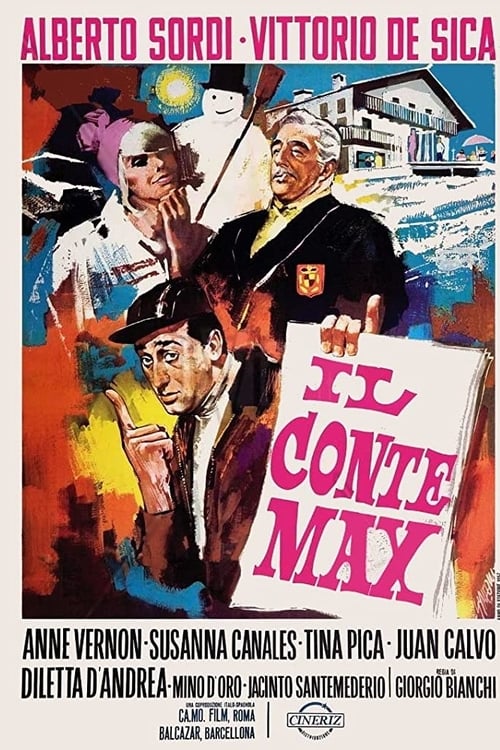
1957
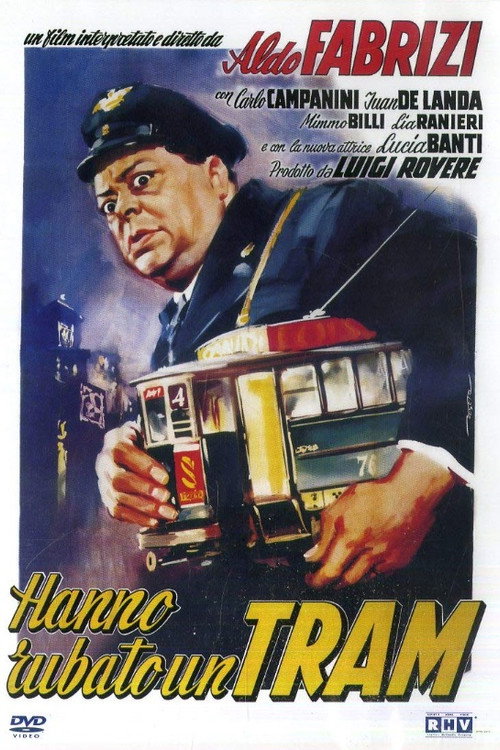
1954

1984

1951
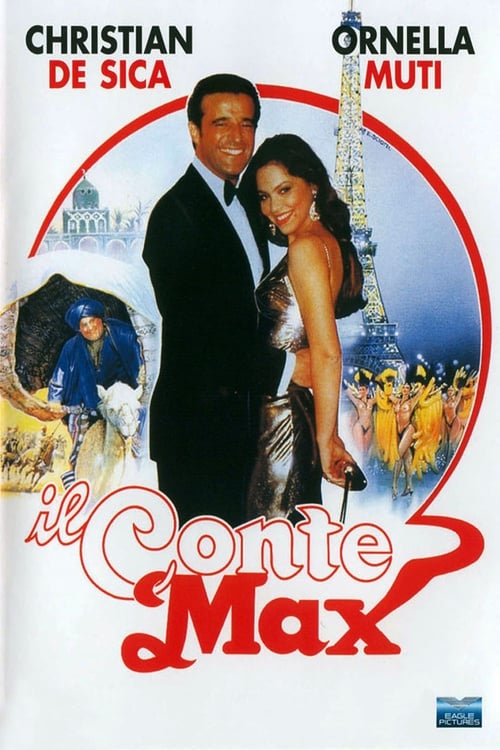
1991
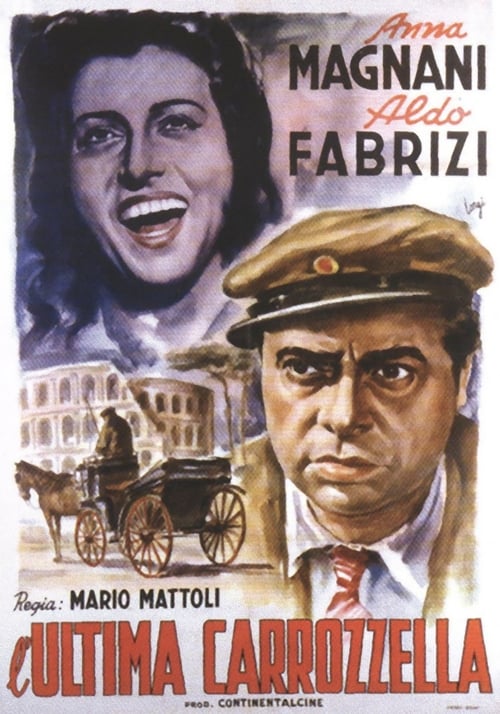
1943
1961

1957
No reviews yet. Be the first to share your thoughts on this movie!
Use the rating form above to leave a star rating and optional review.