Fun Sunday
1935
No user ratings available yet
Diversity score: 3.5 out of 10
1963
Director
Frank Beyer
Runtime
85 minutes
Average Rating
No ratings yetSynopsis
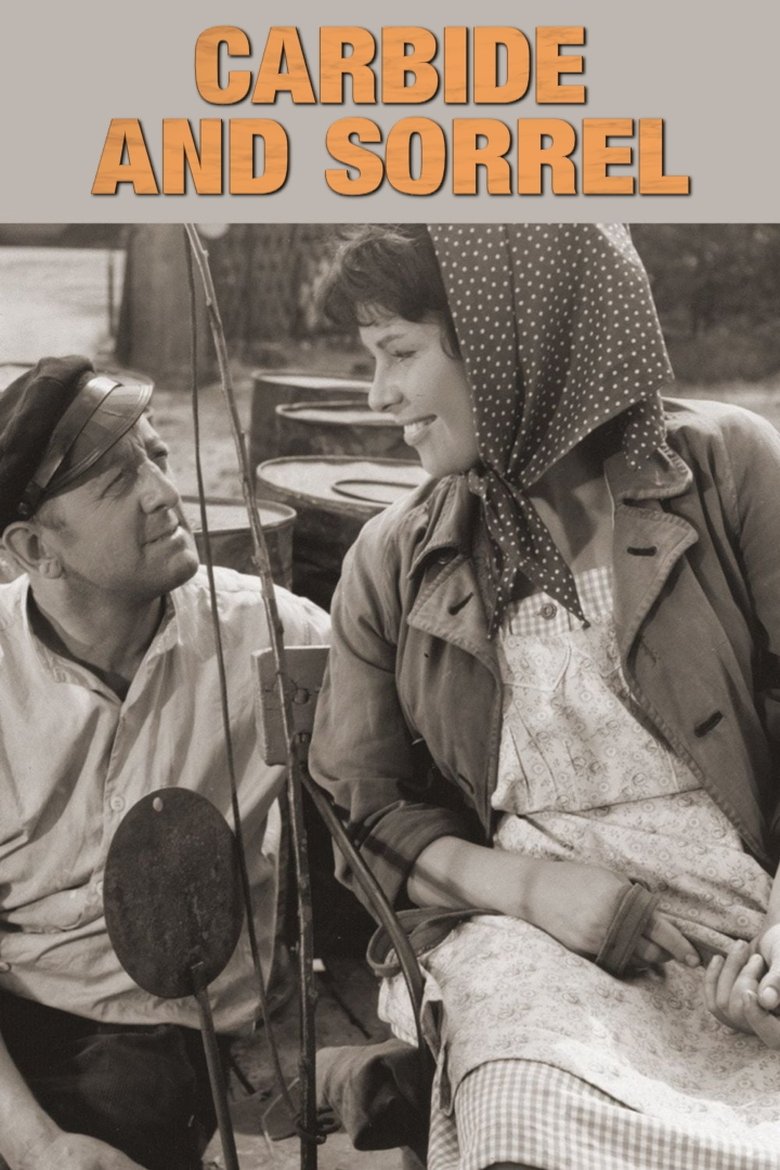
After the second World War, Dresden has a lot of reconstructing to do. To get the cigarette factory he once worked for running again, Kalle has to travel to Wittenberg - the only place where carbide can be found. Once there, Kalle find himself in the unfortunate situation of having to hitchhike his way back to Dresden, transporting seven heavy barrels of carbide. However, his inventiveness and optimistic attitude help transform the grueling task into an adventurous, entertaining, and funny journey.
Overall Score
Fair
Category Breakdown
LGBTQ+ Representation
The film lacks explicit LGBTQ+ characters or narratives. It appears to follow a traditional structure centered on a singular male protagonist.
Gender Representation
The story focuses on Kalle, a male laborer navigating a journey of reconstruction. It reinforces traditional masculine tropes of resourcefulness and competence.
Racial & Ethnic Diversity
The setting and production context suggest an ethnically homogeneous cast. The narrative focuses on local industrial reconstruction within mid-century European parameters.
Religious & Cultural Diversity
The film aligns with the socio-political values of the GDR. It prioritizes collective labor and the rebuilding of state institutions through industrial ingenuity.
Disability Representation
There is no mention of characters with visible or invisible disabilities. No instances of neurodivergence or physical impairment are documented.
Strengths
Areas for Improvement
AI Analysis
Carbide and Sorrel is a period-specific comedy that prioritizes themes of industrial resilience and post-war reconstruction. The narrative is deeply rooted in the social utility and collective labor values of 1960s East Germany. While the film succeeds in creating a cohesive cultural metaphor for overcoming scarcity, it lacks intersectional depth. The focus remains on a singular, traditional male archetype, which limits the scope of representation. Ultimately, the film reflects the demographic norms and social hierarchies of its era, emphasizing the importance of the working class within a specific socialist framework.
1935

1962
1980

2009

1998

2020
1981

1986

1955

1961

1992

2017
No reviews yet. Be the first to share your thoughts on this movie!
Use the rating form above to leave a star rating and optional review.