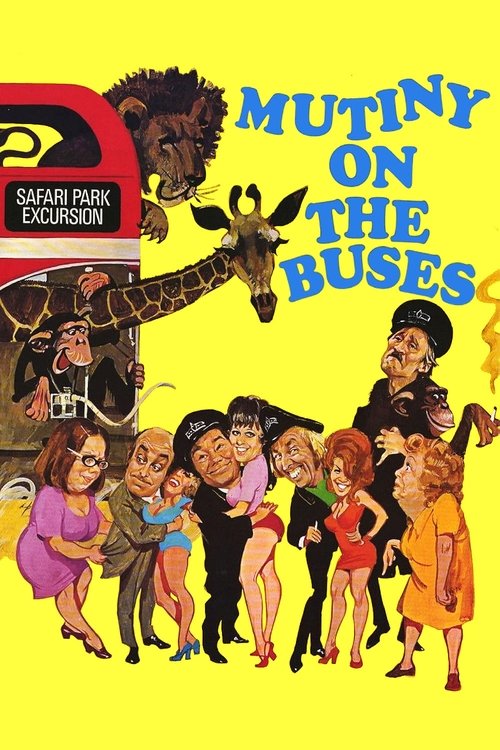
Mutiny on the Buses
1972
No user ratings available yet
Representation score: 2.6 out of 10
Representation Score
Limited
1971
PGDirector
Harry Booth
Runtime
88 minutes
Average Rating
No ratings yetNew Showbiz Analysis
On the Buses is a period-specific artifact of 1970s British working-class comedy. It relies on a homogeneous cast and a strictly heterosexual and cisgender social structure, offering very little in the way of diverse representation. The film's primary social engagement is through the lens of class struggle, specifically the tension between workers and management. While it lacks racial and LGBTQ+ diversity, it does provide a lighthearted critique of institutional authority. Ultimately, the film reflects the social constraints of its era, focusing on a localized, culturally uniform experience that lacks modern diversity standards.
Category Breakdown
The film does not include any characters with LGBTQ+ identities or non-assuming gender matches what was assigned at birth gender identities. It operates within a strictly heterosexual and cisgender framework.
The film features a predominantly male workforce, reinforcing traditional masculine hierarchies. However, it introduces tension by hiring female bus drivers, challenging established patriarchal norms.
The cast is overwhelmingly white British, reflecting a highly homogeneous social environment. The narrative does not engage with multiculturalism or diverse ethnic identities.
The story focuses on the friction between labor and management, providing a working-class perspective through the comedic subversion of institutional authority.
There are no characters with visible or invisible disabilities in the film. The narrative focuses on the able-bodied comedic maneuvers of the crew.
Present on Screen
Limited or Absent
Official Synopsis
Stan gets a little annoyed when his Mum and Sister keep buying expensive items on hire purchase, but the money he earns for overtime working as a bus driver means that he can afford it... just! His job is secure, as bus drivers are hard to come by, and his overtime prospects are good, until the bus company decide to revoke a long standing rule and employ women bus drivers. Aghast at the thought of
1972

1977
1973
1958
1963

1998

1992

1957
No reviews yet. Be the first to share your thoughts on this movie!
Use the rating form above to leave a star rating and optional review.