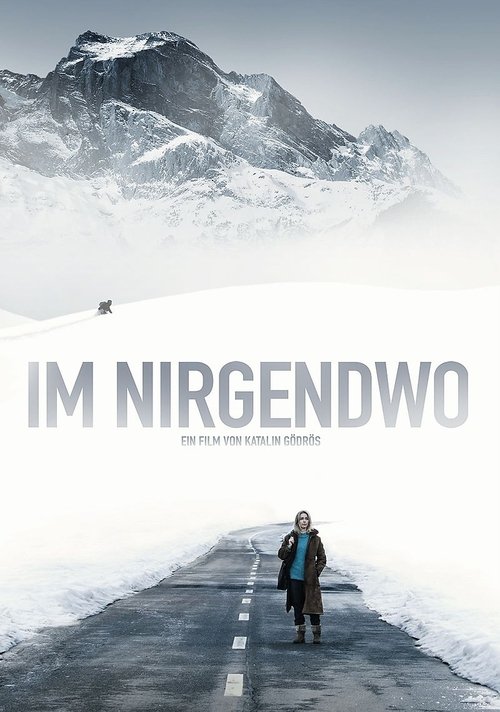
Im Nirgendwo
2016
No user ratings available yet
Representation score: 4.9 out of 10
Representation Score
Fair
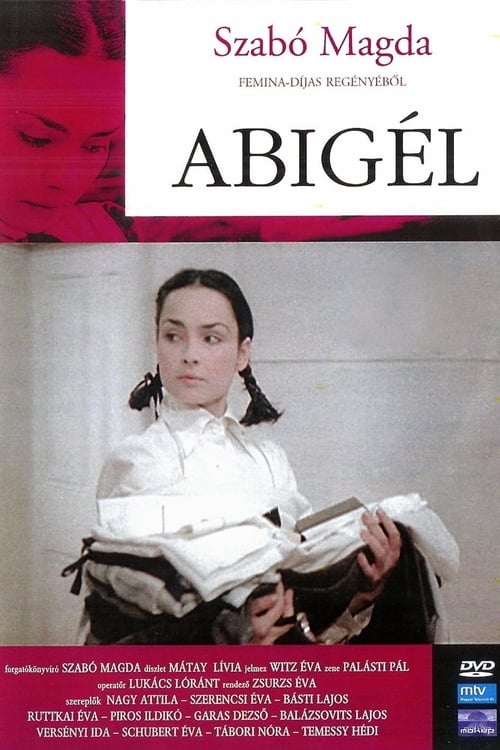
1978
Director
Éva Zsurzs
Runtime
290 minutes
Average Rating
No ratings yetNew Showbiz Analysis
Abigél is a character-driven drama that centers on a female protagonist's ability to drive the story within a historical conflict. By focusing on Georgina's rebellion and maturation, the film avoids passive female archetypes common in period pieces. However, the film's diversity is limited by its specific historical and geographic setting. The lack of racial and LGBTQ+ representation reflects the homogeneous social environment of 1940s Hungary rather than active exclusion. Ultimately, the film offers a nuanced look at individual growth against systemic upheaval, providing a meaningful critique of institutional strictness through a female lens.
Category Breakdown
The film does not explicitly depict LGBTQ+ identities or non-straight relationships. The focus is on the protagonist's relationship with her father and her personal growth.
Georgina is a strong female lead whose journey highlights intellectual and emotional maturity. The story challenges traditional female roles by emphasizing her psychological resilience during wartime.
Set in WWII-era Hungary, the film depicts a relatively uniform social environment. The narrative reflects the specific historical context and social constraints of a period boarding school.
The film critiques strict religious institutions, showing them as sources of injustice. It explores moral complexity through the legend of Abigél, which exists outside formal doctrine.
There is no depiction of physical or neurodivergent disabilities within the narrative.
Present on Screen
Limited or Absent
Official Synopsis
Hungary during World War II. Georgina, spoiled daughter of General Vitay is not delighted when her father takes her to a religious boarding school in a smalltown. She rebels against the strict rules of the school, alienating most of her schoolmates and tries to escape from the school. When her father visits her and learns about this, he decides to tell her why she must stay in the school: he is trying to find a way to get Hungary out of the war before it claims too many lives and he is afraid that his enemies will capture and torture her, thus blackmailing him into betray his cause. Gina agrees to stay in the school, the only place where she is safe. Suddenly she grows up under the weight placed on her shoulders. Life is hard, she often feels she is treated unjustly in the strict school, and even though she makes peace with her schoolmates, often the only "person" to whom she can turn to is a statue nicknamed Abigél in the school's garden; who, according to the legend, helps those who write a message and put it in the vase in her hands. No one in the school knows who's hiding behind the statue, although many students tried to find it out, and at first Gina thinks this is only a childish tradition, but when she gets a message from Abigél, in which "she" reveals to be her father's confidante, she starts to believe, and later, when her whereabouts are revealed to the enemy and her father is captured, only the person behind Abigél can help her...
2016
1985

2007

1976

1987

1979

1984

1972
No reviews yet. Be the first to share your thoughts on this movie!
Use the rating form above to leave a star rating and optional review.