
Medea
1969
No user ratings available yet
Representation score: 6.0 out of 10

Representation Score
Fair
1974
Director
Miklós Jancsó
Runtime
74 minutes
Average Rating
No ratings yetNew Showbiz Analysis
Miklós Jancsó’s work stands out for its narrative subversion, even though it focuses on a narrow demographic. By centering women in the political and psychological struggles, the film challenges traditional gender hierarchies and avoids the trap of domesticating female characters. The film's strength lies in its intellectual depth, particularly in its critique of systemic power and the mechanics of institutional authority. It explores the complexities of coercion and resistance within a mythological framework. However, the film remains limited by its historical context, offering little in the way of LGBTQ+ or racial diversity. Its focus on a specific European mythological past results in a cast that lacks contemporary multicultural representation.
Category Breakdown
The film adheres closely to a classical Greek tragedy framework and does not include any representations of non-straight or non-cisgender identities.
Women play central roles in the film, driving the plot through their ability to act and resistance, challenging the stereotype of the passive female character.
The cast primarily consists of white and European actors, reflecting the film's focus on a specific mythological and historical context.
The film critically examines centralized authority and systemic oppression, breaking down heroic myths to reveal the mechanisms of coercion within traditional institutions.
The film does not prominently depict characters with visible or invisible disabilities as central plot devices or character arcs.
Present on Screen
Limited or Absent
Official Synopsis
It has been fifteen years since the death of her father, Agamemnon, and Elektra still burns with hatred for Aegisztosz, who conspired with Elektra's mother to kill him.
1969
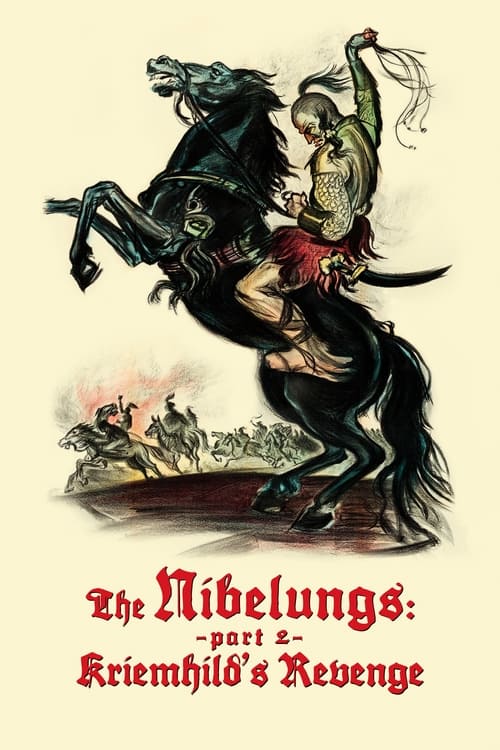
1924
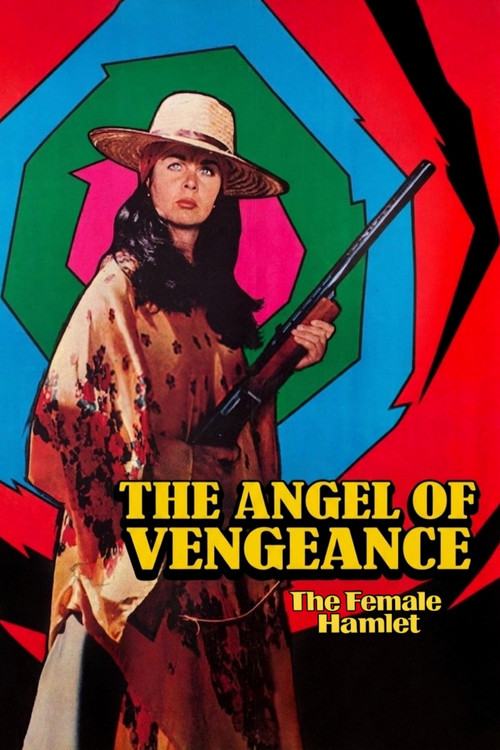
1976
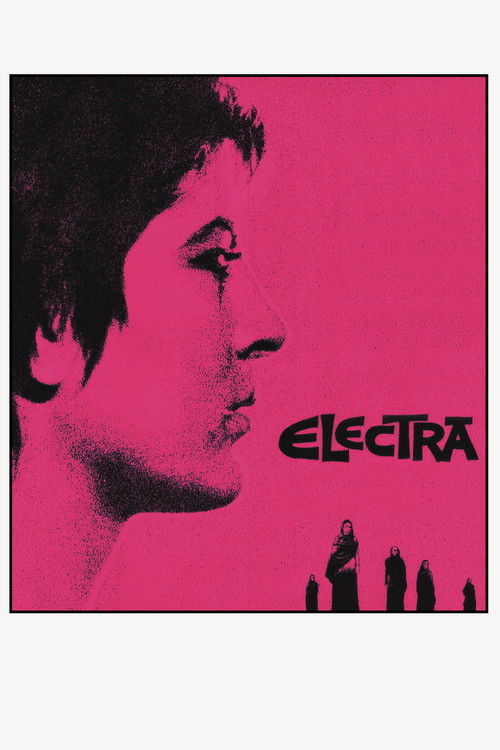
1962
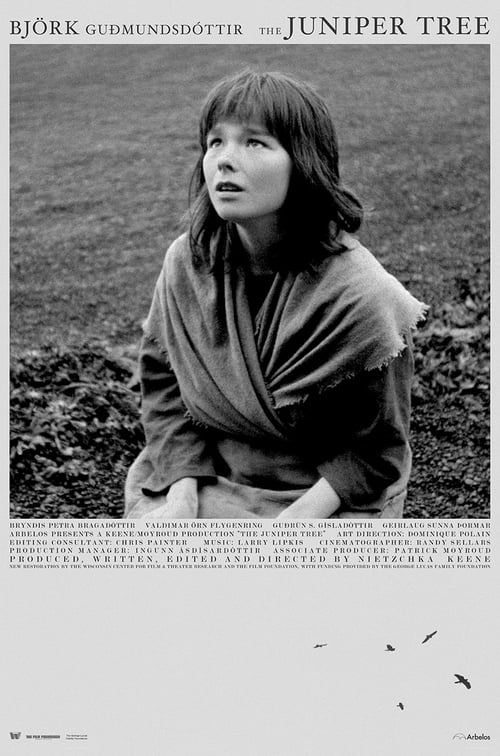
1990
1994

1969
2008
No reviews yet. Be the first to share your thoughts on this movie!
Use the rating form above to leave a star rating and optional review.