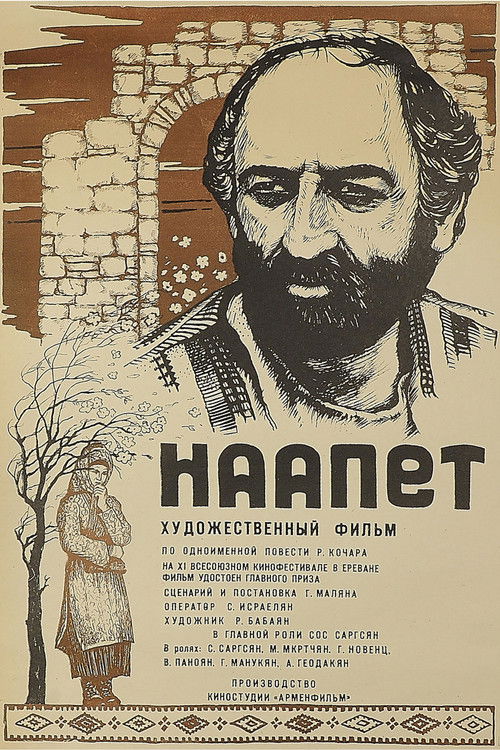
Life Triumphs
1977
No user ratings available yet
Representation score: 4.0 out of 10
Representation Score
Fair
1990
Director
Frunze Dovlatyan
Runtime
136 minutes
Average Rating
No ratings yetNew Showbiz Analysis
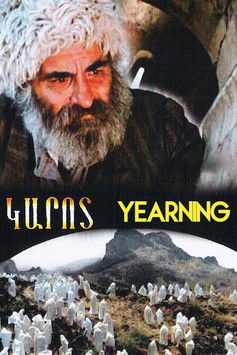
Yearning is a character-driven drama that focuses on ethnic identity and the trauma of displacement. By centering on Arakel's struggle against the Stalin-era Soviet-Turkish border, the film offers a poignant critique of how state-imposed boundaries fracture cultural ties. However, the film's scope appears limited in terms of social breadth. The narrative structure leans heavily on a traditional masculine perspective, offering little room for diverse gender roles or queer identities. While the ethnic and cultural themes are strong, the absence of representation for other underrepresented groups limits its overall diversity profile.
Category Breakdown
The film does not include explicit LGBTQ+ characters or non-straight relationships. The story revolves around a political conflict involving displacement.
The story centers on the masculine experience of Arakel and his personal struggles. There is no clear portrayal of women challenging traditional power dynamics.
The film highlights the experiences of ethnic groups by focusing on a character navigating the Soviet-Turkish border. It explores the trauma of losing one's homeland and identity politics.
The narrative critiques how centralized political institutions affect individual and cultural identity. It emphasizes the subjective experience over state-sanctioned patriotic narratives.
There is no information about the depiction of physical or neurodivergent disabilities within the film.
Present on Screen
Limited or Absent
Official Synopsis
Real life tragic story of Arakel whose anguish towards lost homeland made him cross Soviet-Turkish border during Stalin era.
1977
1982

2017
1971
2009

2018

1964

2015
No reviews yet. Be the first to share your thoughts on this movie!
Use the rating form above to leave a star rating and optional review.