
Lupin the Third: Greatest Capers
1995
No user ratings available yet
Representation score: 3.7 out of 10
Representation Score
Limited
1979
PG-13Director
Hayao Miyazaki
Runtime
102 minutes
Average Rating
No ratings yetNew Showbiz Analysis
Miyazaki’s adventure fable succeeds by prioritizing individual morality over corrupt institutional power. The film's strength lies in its subtle deconstruction of class-based corruption and its refusal to treat aristocracy as infallible. While the film operates within a traditional genre framework, it elevates its female characters through genuine ability to act. This prevents the story from falling into purely passive clichés, even as it adheres to certain romantic archetypes. The work is limited by its homogeneous, European-inspired setting and a lack of diverse identity representation. It functions as a moral tale rather than a modern exploration of multi-layered identities.
Category Breakdown
The film adheres to traditional structures that assume everyone is straight or cisgender. It focuses on conventional romantic and platonic relationships without including characters who identify differently.
Clarisse stands out by having her own choices and emotional depth. While the film challenges the passive damsel cliché, it still includes some traditional romantic pursuit dynamics.
The setting is a stylized, romanticized European fantasy with a largely homogeneous cast. It avoids harmful racial stereotypes but does not include diverse representations of identity.
The narrative critiques concentrated wealth and the corruption of absolute power. It emphasizes individual integrity over the stability of corrupt aristocratic institutions.
There are no prominent depictions of physical or neurodivergent disabilities that serve as central plot points or character arcs.
Present on Screen
Limited or Absent
Official Synopsis
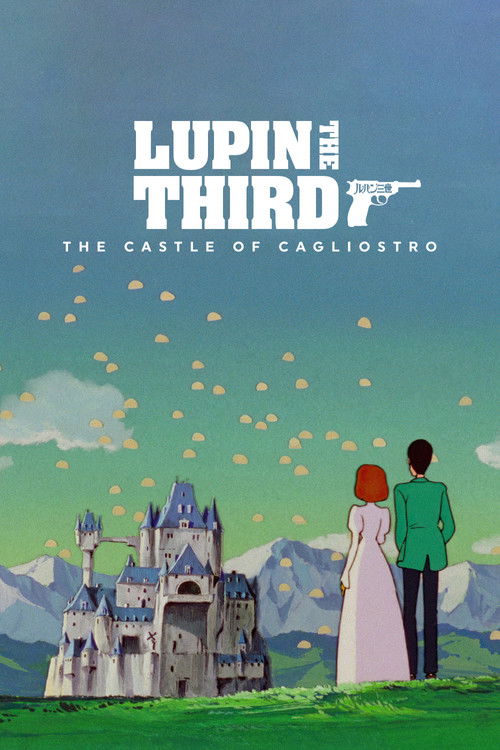
After a successful robbery leaves famed thief Lupin the Third and his partner Jigen with nothing but a large amount of expertly crafted counterfeit bills, he decides to track down the forgers responsible—and steal any other treasures he may find in the Castle of Cagliostro, including the 'damsel in distress' he finds imprisoned there.
1995
1968
1978

2019

1996
1987

1987
1986
No reviews yet. Be the first to share your thoughts on this movie!
Use the rating form above to leave a star rating and optional review.