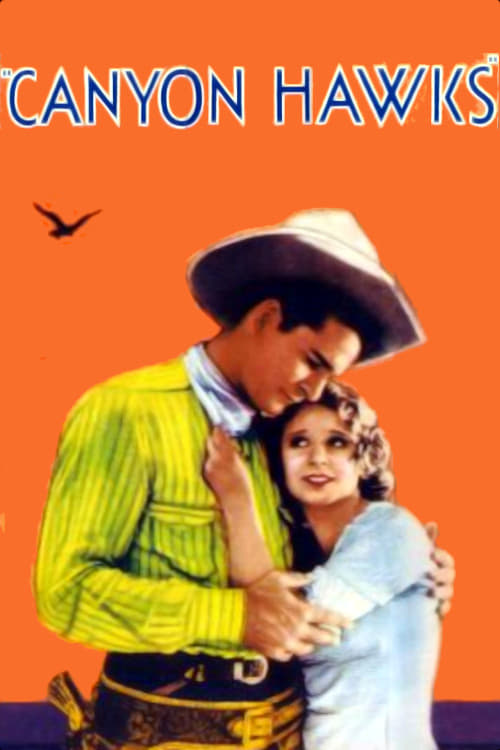
Canyon Hawks
1930
No user ratings available yet
Representation score: 1.8 out of 10
No Poster Available
Representation Score
Minimal
1934
PassedDirector
James P. Hogan
Runtime
51 minutes
Average Rating
No ratings yetNew Showbiz Analysis
Paradise Valley operates as a traditional 1930s Western, adhering closely to the genre's conventions. The plot centers on local conflicts between sheepherders and cattlemen, reinforcing traditional social hierarchies and masculine leadership. The film lacks depth in representing diverse identities, focusing instead on a homogeneous view of the American West. It upholds the cultural norms of the early sound era without challenging them.
Category Breakdown
The film does not include any representation of LGBTQ+ identities.
The story revolves around a male radio singer dealing with traditional masculine conflicts. The narrative emphasizes his control over the land disputes.
The film follows typical Western clichés and there is no indication of non-white or non-Anglo-Saxon characters.
The setting highlights rugged individualism and property rights, emphasizing established social hierarchies.
There is no mention of characters with visible or invisible disabilities.
Present on Screen
Limited or Absent
Official Synopsis
A radio singer tires of life in the big city and moves into the country in a valley where a long-standing battle has been raging between sheepherders and cattlemen. His dog Gandhi is quickly but wrongly suspected of killing sheep.
1930
1940
1935
1930
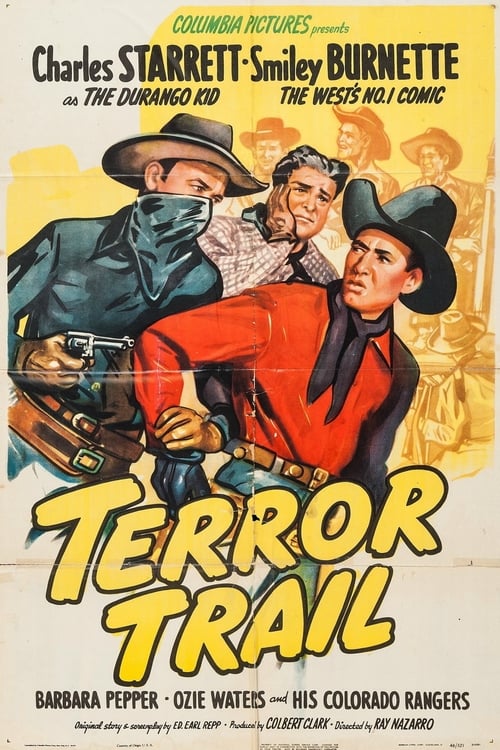
1946
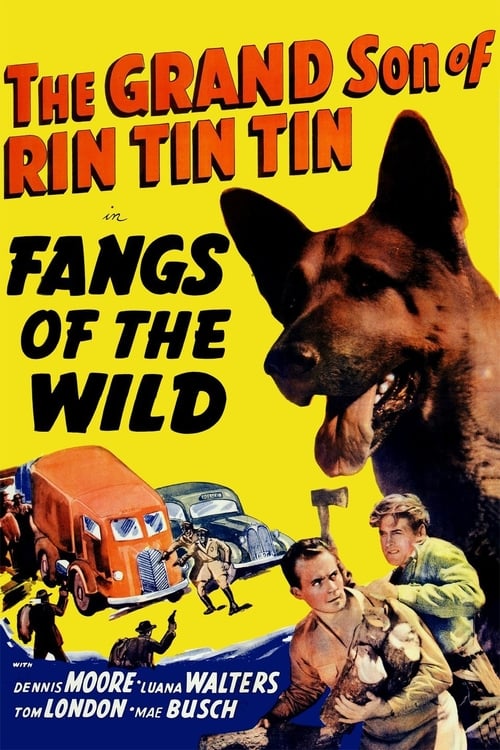
1939
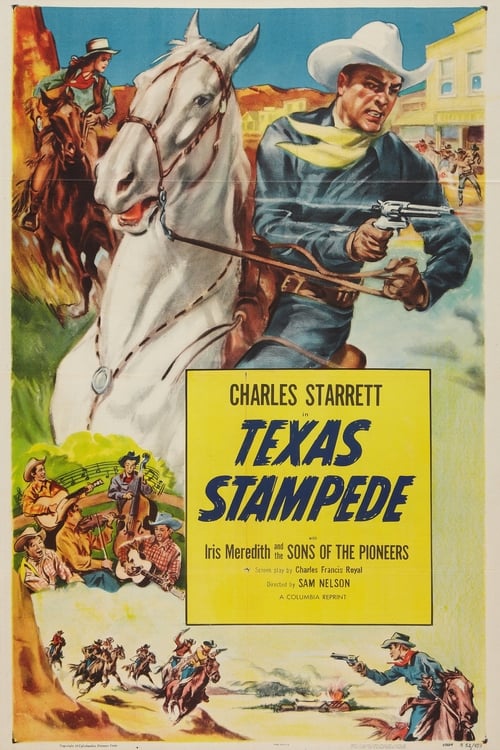
1939
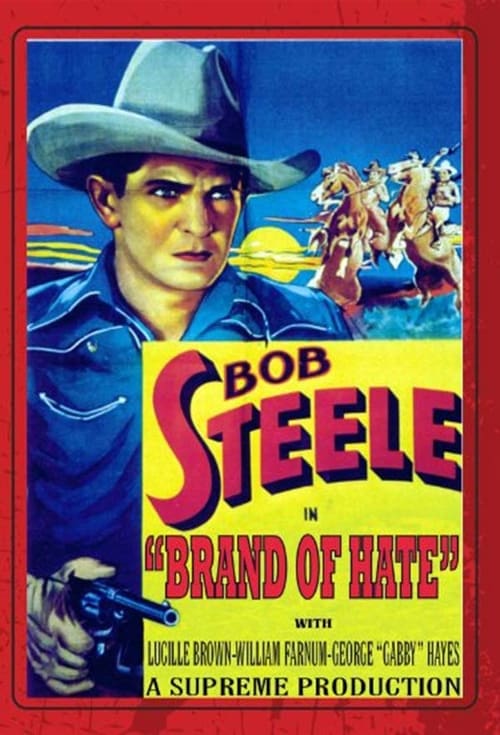
1934
No reviews yet. Be the first to share your thoughts on this movie!
Use the rating form above to leave a star rating and optional review.