
Don Juan in Sicily
1967
No user ratings available yet
Diversity score: 3.9 out of 10
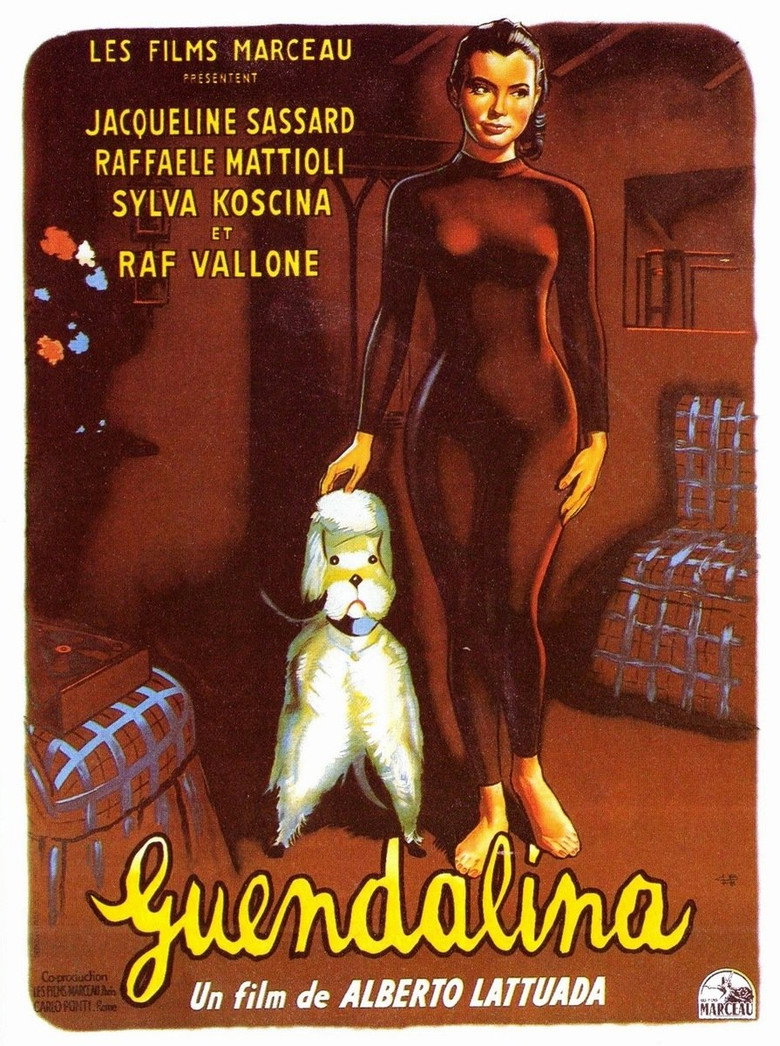
1957
Director
Alberto Lattuada
Runtime
103 minutes
Average Rating
No ratings yetSynopsis
Wealthy teenager Guendalina is a child of divorce. Oberdan, likewise a teenager, is a boy from a blue-collar family. Escaping from the tribulations of her home life, Guendalina creates a dream world of her own, casting Oberdan as her personal Prince Charming. Despite parental objections, girl and boy fall in love. Interestingly enough, the relationship between Guendalina and Oberdan remains pure and chaste throughout their film, which is more than can be said for their parents. their respective parents behave with marked laciviousness.
Overall Score
Good
Category Breakdown
LGBTQ+ Representation
The film focuses on a heterosexual adolescent romance. While it lacks explicit non-heteronormative identities, it critiques traditional sexual mores through the behavior of the adult characters.
Gender Representation
Guendalina serves as an active protagonist who defies parental authority to shape her own reality. Her agency disrupts traditional gender hierarchies and expectations of feminine decorum.
Racial & Ethnic Diversity
The production reflects the demographic realities of 1957 Italy. It uses the intersection of wealthy and blue-collar classes to explore social stratification rather than multi-ethnic diversity.
Religious & Cultural Diversity
The narrative critiques traditional Western institutions by portraying the established family unit as morally compromised. It prioritizes individual autonomy over the authority of traditional social hierarchies.
Disability Representation
There is no evidence of characters with visible or invisible disabilities within the film.
Strengths
Areas for Improvement
AI Analysis
Guendalina offers a sophisticated critique of mid-century social structures by utilizing a generational divide. The film highlights the corruption of traditional institutions through the contrast between adolescent purity and adult decadence. The narrative succeeds in centering female agency and exploring class boundaries. By allowing Guendalina to construct her own dream world, the film challenges the rigidity of the era's social hierarchies. However, the film remains limited by the demographic realities of its time, lacking multi-ethnic representation and explicit LGBTQ+ identities. It functions primarily as a study of class and domestic dysfunction.
1967
1974

1956

1982
1976
1955
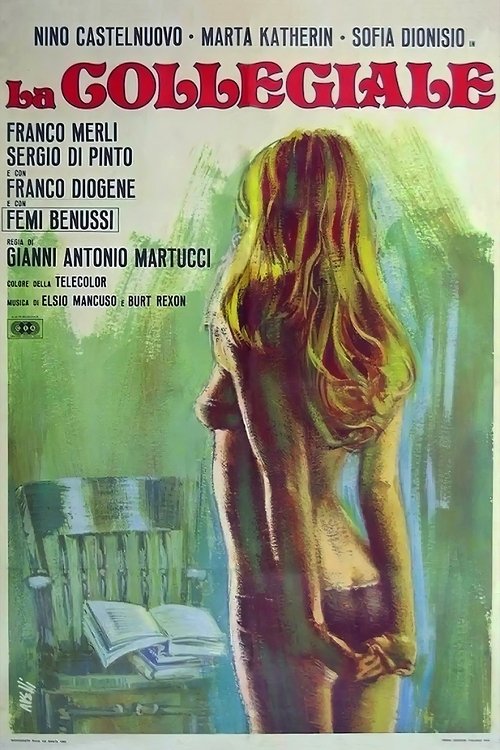
1975
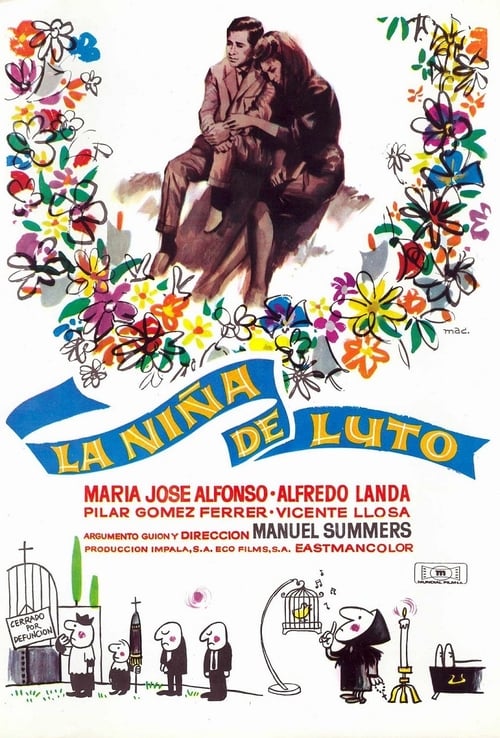
1964

1959

2012
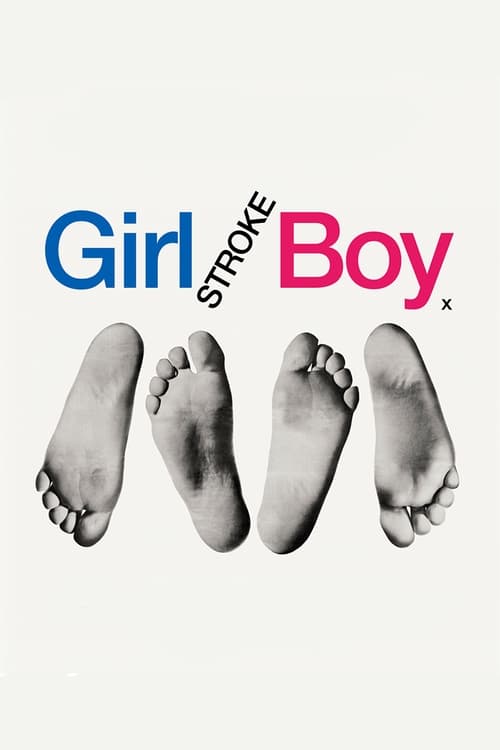
1971
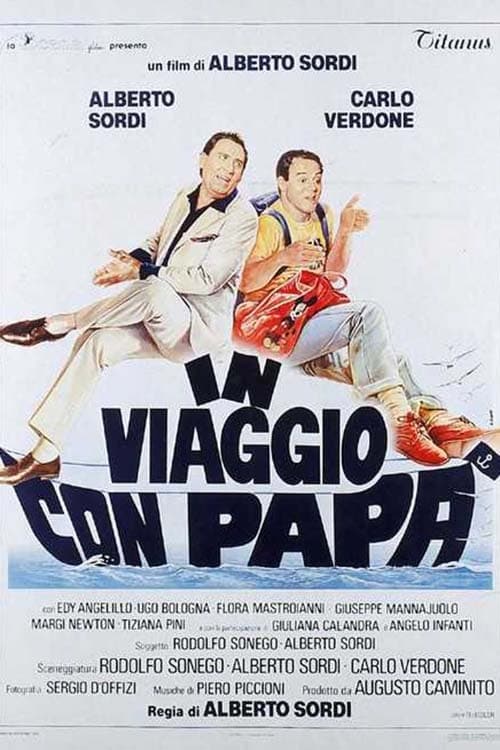
1982
No reviews yet. Be the first to share your thoughts on this movie!
Use the rating form above to leave a star rating and optional review.