Aldo et Junior
1984
No user ratings available yet
Representation score: 3.0 out of 10
Representation Score
Limited
1982
Director
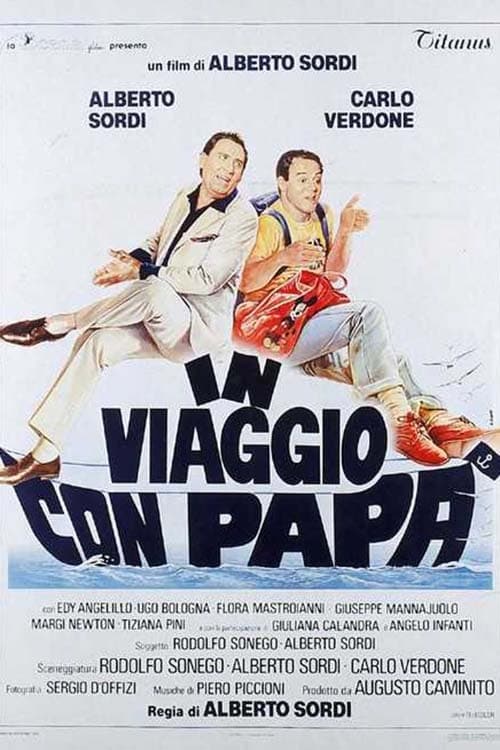
Alberto Sordi
Runtime
108 minutes
Average Rating
No ratings yetNew Showbiz Analysis
Journey with Papa uses humor and irony to explore the generational gap between a traditional playboy father and his unconventional son. The film challenges the idea of a single type of father figure by showing a son who lives in a non-traditional community. However, the film remains rooted in the social dynamics of 1980s Italy. Women are primarily defined by their relationships to male characters, and there is no racial or ethnic diversity in the story. Overall, the film provides a nuanced view of changing social norms, even though its cultural scope is limited.
Category Breakdown
The film highlights the contrast between the father and son, with Cristiano living among a community of like-minded men. This break from traditional assumptions about relationships showcases alternative lifestyles.
Gender roles are examined through a lens that emphasizes transactional relationships and patriarchal power. Women in the film are mostly understood through the actions and perspectives of male characters.
The story centers on the internal cultural dynamics of Italy, with no indication of a multi-ethnic cast or diverse racial backgrounds.
The film questions the idealized family unit by highlighting moral relativism. It portrays conflicting social realities and different ways of thinking as valid, rather than adhering to a single moral standard.
There are no visible or invisible disabilities mentioned in the main character arcs of the film.
Present on Screen
Limited or Absent
Official Synopsis
Armando is the daddy, Cristiano is the adult son. Each of them lives his life in a different way respect the other: Armando is an old play-boy and often he "buys" his women with his money; Cristiano is a shy guy who lives in a community with other guys like him. The movie proceeds showing us, ironically, the differences, the different ways to think, to act, to treat the women between father and son.
1984
1973

2010

1962

1982

1984

1966
1960
No reviews yet. Be the first to share your thoughts on this movie!
Use the rating form above to leave a star rating and optional review.