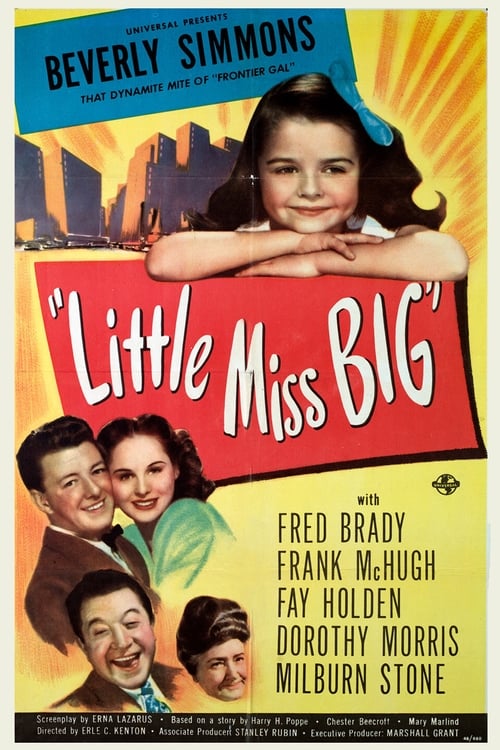
Little Miss Big
1946
No user ratings available yet
Representation score: 3.3 out of 10
Representation Score
Limited
1953
NRDirector
Alfred E. Green
Runtime
81 minutes
Average Rating
No ratings yetNew Showbiz Analysis
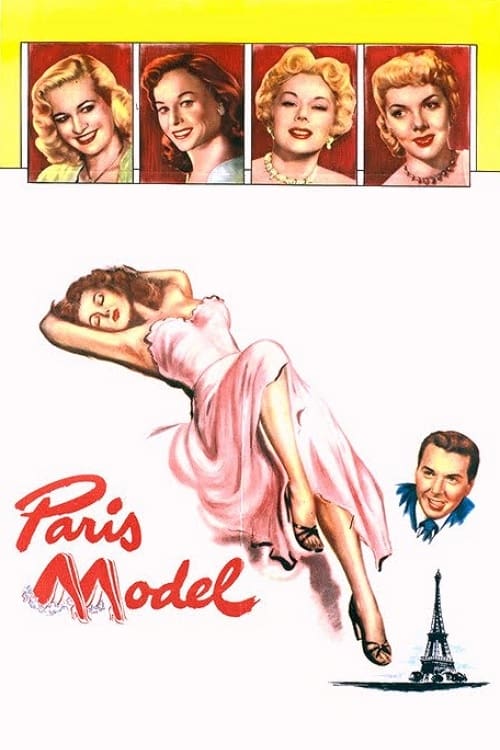
Paris Model is a mid-century ensemble piece that centers on the interconnected lives of four women. While it moves away from purely male-centric narratives by focusing on female experiences, it remains firmly rooted in the social and cinematic norms of 1953. The film lacks complexity in reflecting multiple aspects of identity, offering little representation for LGBTQ+ individuals, diverse racial groups, or people with disabilities. It functions as a conventional studio product that reinforces the era's standard hierarchies and Western ideals. Ultimately, the film's focus on fashion and social status suggests a narrative designed to uphold, rather than challenge, the status quo of the time.
Category Breakdown
The film follows 1950s censorship rules, focusing on domestic and social lives. There is no indication of queer characters taking control or challenging the assumption that everyone is straight or cisgender.
The ensemble provides a platform for female characters to drive the plot. However, these roles may reinforce traditional feminine archetypes centered on fashion and romance.
The narrative likely reflects a narrow, Eurocentric lens typical of 1953 Hollywood. The high-fashion theme suggests a homogeneous cast lacking racial diversity.
The story operates within a traditional Western framework. It reinforces established social hierarchies and consumerism rather than offering any cultural critique.
There is no evidence of characters with physical or neurodivergent disabilities. Such identities were rarely integrated into mainstream comedies during this era.
Present on Screen
Limited or Absent
Official Synopsis
A new dress plays a key role in the lives of four women who are not acquainted with each other.
1946
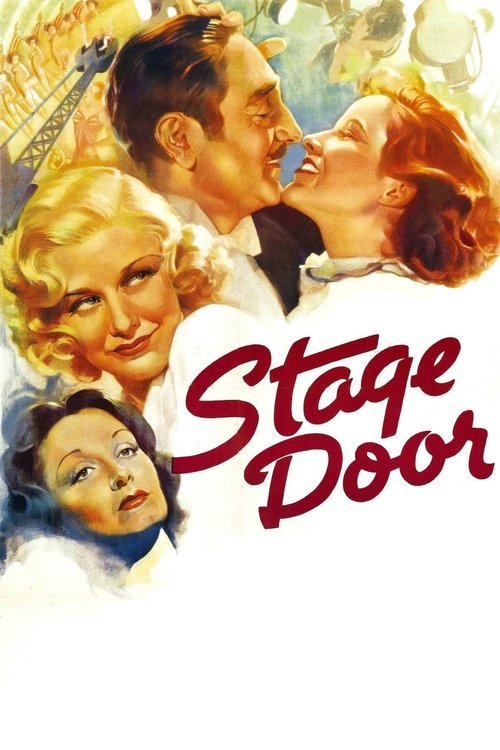
1937
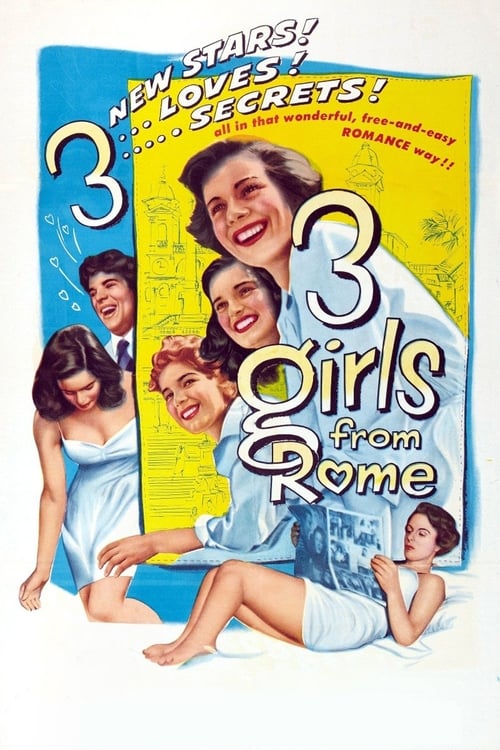
1952
1939

1964

1950
1941
1963
No reviews yet. Be the first to share your thoughts on this movie!
Use the rating form above to leave a star rating and optional review.