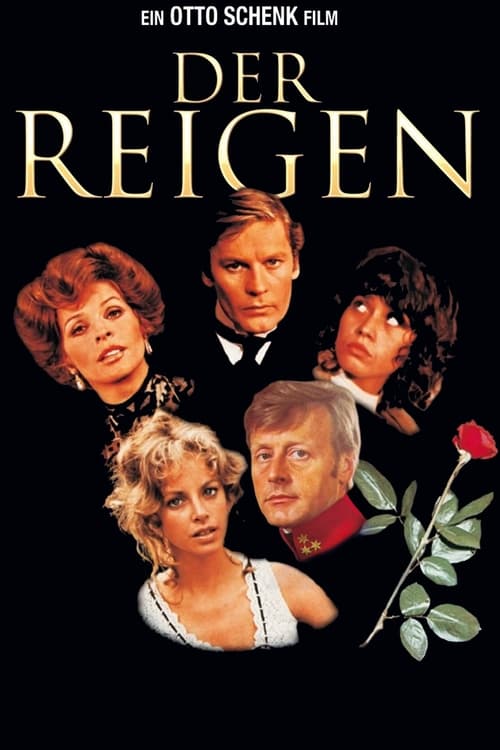
Reigen
1973
No user ratings available yet
Representation score: 2.9 out of 10

Representation Score
Fair
1950
Not RatedDirector
Max Ophüls
Runtime
95 minutes
Average Rating
No ratings yetNew Showbiz Analysis
Max Ophüls employs a cyclical narrative to deconstruct social structures and the hypocrisy of established decorum. The film effectively critiques class and gendered power dynamics, presenting desire as a leveling force. However, the work remains limited by the historical constraints of its setting. It lacks modern markers of diversity, particularly in terms of LGBTQ+ representation and racial diversity. Ultimately, the film is a study of situational ethics. It challenges the stability of Western social hierarchies by exposing the fragility of the era's moral certainty.
Category Breakdown
The film focuses almost exclusively on heterosexual relationships. There is no explicit depiction of LGBTQ+ identities or same-sex intimacy.
Women from different social backgrounds show strong ability to act and survival strategies. They navigate and manipulate power dynamics within restrictive socioeconomic conditions.
The setting reflects the demographic uniformity of late 19th-century Vienna. The cast is predominantly Anglo-European and does not actively engage with racial or ethnic diversity.
The film critiques the rigid moral and class hierarchies of the Viennese aristocracy. It highlights human impulses that transcend hypocritical social codes imposed by religion and class.
There are no prominent depictions of visible or invisible disabilities that drive the narrative or serve as central character arcs.
Present on Screen
Limited or Absent
Official Synopsis
An all-knowing interlocutor guides us through a series of affairs in Vienna, 1900. A soldier meets an eager young lady of the evening. Later he has an affair with a young lady, who becomes a maid and does similarly with the young man of the house. The young man seduces a married woman. On and on, spinning on the gay carousel of life.
1973

1930

1995

1952
1969

1986
1938

2005
No reviews yet. Be the first to share your thoughts on this movie!
Use the rating form above to leave a star rating and optional review.