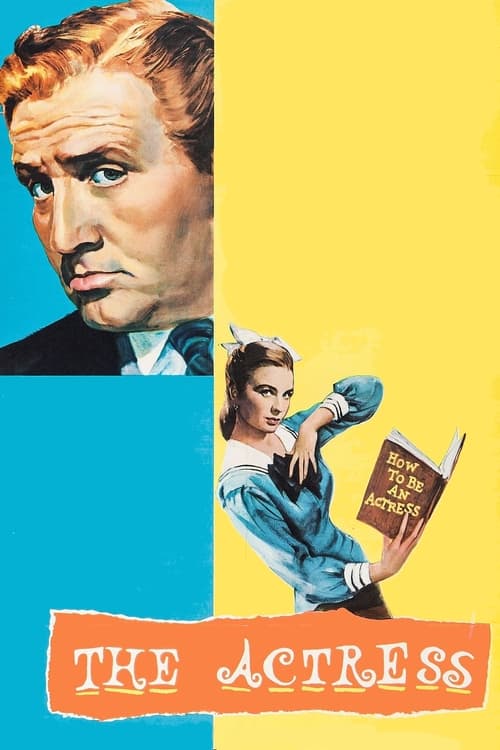
The Actress
1953
No user ratings available yet
Representation score: 1.6 out of 10
Representation Score
Fair
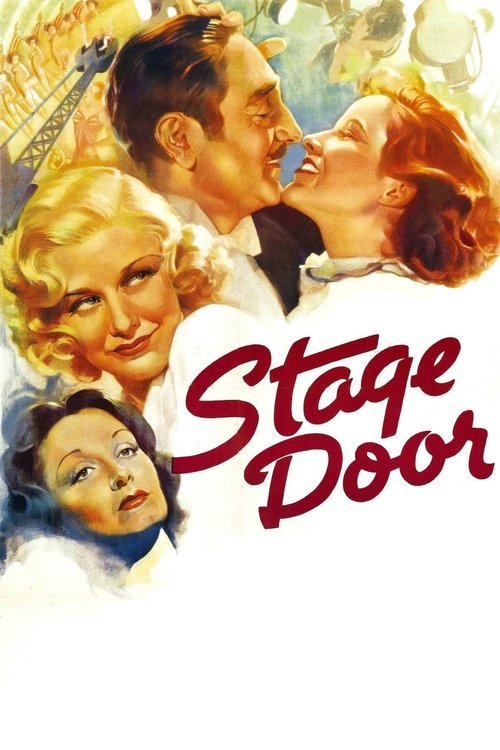
1937
ApprovedDirector
Gregory La Cava
Runtime
92 minutes
Average Rating
No ratings yetNew Showbiz Analysis
Stage Door is a sophisticated character study that highlights women driven by professional ambition rather than domesticity. By focusing on female empowerment, the film provides a unique perspective for its time. However, the film is constrained by the limitations of the 1930s. The absence of racial and LGBTQ+ diversity results in a homogeneous cast that reflects the era's narrow social norms. Ultimately, the film's strength lies in its exploration of class and bohemian identity. It offers a nuanced look at individuals struggling against economic systems, even if it lacks modern diversity.
Category Breakdown
The film follows the heterosexual norms of the 1930s. There is no indication of non-binary gender identities or same-sex relationships, as relationships focus on traditional romantic interests.
The story centers on a group of women working in a competitive industry. The main character prioritizes professional success over domestic life, passing the Bechdel test through conversations about career goals.
The cast is mostly made up of people with similar backgrounds, reflecting the casting practices of the 1930s. The film lacks diverse ethnic perspectives, focusing on an Anglo-Saxon urban environment.
The story celebrates alternative lifestyles by focusing on a bohemian boardinghouse community. It questions traditional economic structures by showing the pursuit of art against economic hardship.
There is no explicit or meaningful representation of physical or cognitive disabilities. Character challenges are framed through economic instability rather than disability-specific issues.
Present on Screen
Limited or Absent
Official Synopsis
A spirited heiress wishing to break into theatre on her own merit arrives at a boardinghouse where aspiring young actresses and showgirls are brought together through their cynicism and disappointments.
1953
1933
1925
1934
1940

1933
1939
1937
No reviews yet. Be the first to share your thoughts on this movie!
Use the rating form above to leave a star rating and optional review.