
Anyone Can Play
1967
No user ratings available yet
Representation score: 4.3 out of 10
Representation Score
Fair
1952
ApprovedDirector
Luciano Emmer
Runtime
99 minutes
Average Rating
No ratings yetNew Showbiz Analysis
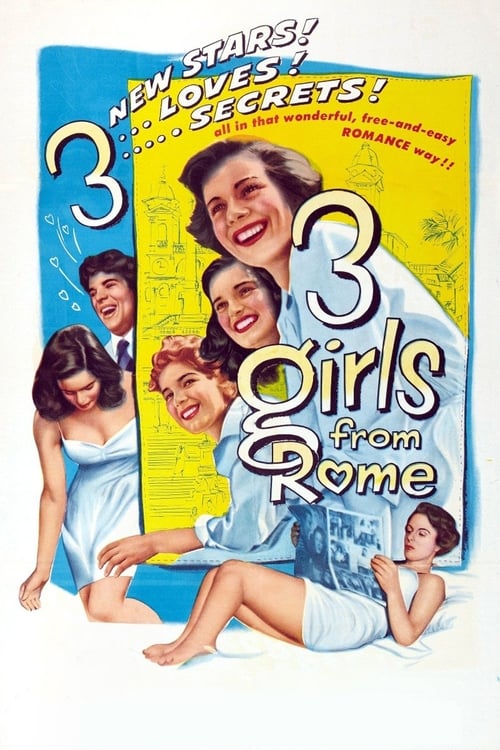
Three Girls from Rome highlights a gender-centric narrative structure, shifting focus from traditional male leadership to a collective female experience. However, the film is constrained by the demographic homogeneity of 1952, lacking in racial and LGBTQ+ diversity. Ultimately, the film uses Neorealist techniques to critique post-war economic hardships, emphasizing the lived experiences of the working class.
Category Breakdown
The film adheres to the assumption that everyone is straight or cisgender, typical of 1950s Italy. There are no depictions of LGBTQ+ identities or same-sex relationships.
The story focuses entirely on the women's roles and perspectives. Their ambitions and social interactions drive the plot.
The setting reflects the homogeneous demographics of post-war Rome. While it lacks diverse racial representation, it accurately portrays the working-class reality of the time.
The film critiques economic structures and systemic hardships in a realistic manner. It avoids idealized religious or family structures, focusing instead on social realism.
There is no significant representation of physical or neurodivergent disabilities. Characters are defined by their socioeconomic status and gendered experiences.
Present on Screen
Limited or Absent
Official Synopsis
Three gorgeous seamstresses meet on the historic steps of the Piazza de Spagna in Rome to discuss one another's love lives.
1967

1955
1971
1963

1931
1953

2008

1974
No reviews yet. Be the first to share your thoughts on this movie!
Use the rating form above to leave a star rating and optional review.