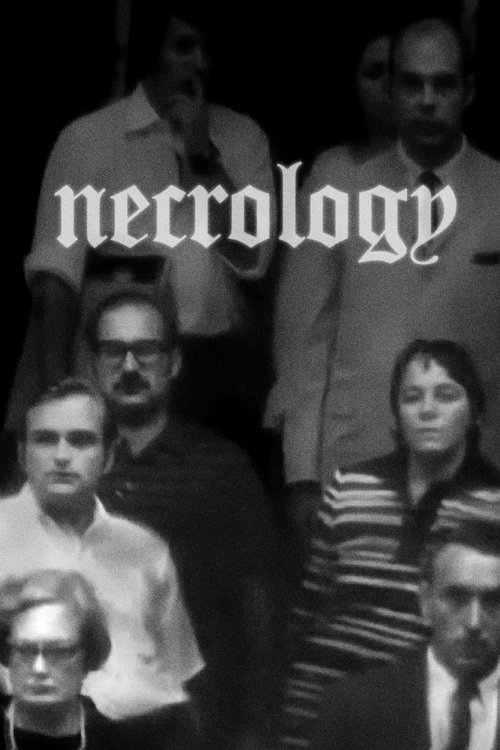
Necrology
1970
No user ratings available yet
Diversity score: 4.3 out of 10

1968
Director
Norman Cohen
Runtime
46 minutes
Average Rating
No ratings yetSynopsis
Based on Geoffrey Fletcher’s book, this captivating documentary exposes the real London of the swinging sixties. Turning its back on familiar sights, the film explores the hidden details of a crumbling metropolis. With James Mason as our Guide, we are led on an tour of the weird and wonderful pockets of London from abandoned music-halls to egg breaking factories.
Overall Score
Fair
Category Breakdown
LGBTQ+ Representation
The film functions as a social observation of urban landscapes rather than a character-driven story. It lacks explicit visibility or narratives centered on queer agency within its observational framework.
Gender Representation
Men and women appear within their existing socioeconomic roles and gendered labor. The documentary captures the era's social realities without actively seeking to subvert traditional hierarchies or center female agency.
Racial & Ethnic Diversity
The documentary provides an unvarnished look at the multicultural reality of 1960s London. It includes diverse ethnic identities that formed the city's fabric, avoiding a purely homogeneous Anglo-Saxon lens.
Religious & Cultural Diversity
The film critiques the impersonal nature of metropolitan life by focusing on crumbling structures. It emphasizes urban alienation and the raw truth of the city over traditional or patriotic ideals.
Disability Representation
Subjects are primarily viewed through the lens of socioeconomic class. There is no proactive focus on neurodivergence or physical disability as a means of exploring individual agency.
Strengths
Areas for Improvement
AI Analysis
Norman Cohen’s documentary serves as a gritty deconstruction of the 'Swinging London' myth. By focusing on urban decay and industrial grit, it replaces romanticized imagery with a fragmented, postmodern study of a changing metropolis. The film's strength lies in its refusal to sanitize the city. It captures a multi-ethnic society and the lived experiences of working-class populations, offering a vital counter-narrative to idealized versions of Western urbanity. However, the observational style results in a lack of intentional identity-driven narratives. While it depicts diverse social realities, it does not center on specific queer, gendered, or disabled agency, treating subjects primarily as components of a socioeconomic landscape.
1970
1986

1971
2016

1957
1961
1973

1970
2008
2011
1983
1978
No reviews yet. Be the first to share your thoughts on this movie!
Use the rating form above to leave a star rating and optional review.