Stripped: Las Vegas
2021
No user ratings available yet
Representation score: 6.5 out of 10

Representation Score
Excellent
2011
Not RatedDirector
Frederick Wiseman
Runtime
134 minutes
Average Rating
No ratings yetNew Showbiz Analysis
Frederick Wiseman’s documentary avoids traditional patriarchal storytelling by using a direct cinema approach. This allows the subjects to drive the observational narrative, shifting focus from individual heroism to systemic rhythms. The film excels at deconstructing power dynamics between performers and the institution. It offers a sophisticated look at how identity is constructed through labor and spectacle within a highly controlled environment. However, the work lacks explicit focus on specific identity politics. The emphasis on physical performance standards and the incidental nature of certain identities results in a moderate overall diversity score.
Category Breakdown
The film does not explicitly depict same-sex relationships or specific LGBTQ+ identities. However, the cabaret setting engages with non-traditional expressions of sexuality.
Women play a central role in driving the film's narrative. Dancers are shown as skilled professionals with physical autonomy and mastery over their movements, rather than passive objects.
The documentary captures a diverse, multi-ethnic workforce in Paris. While it avoids whitewashing, racial identity is not a primary theme.
The film critiques Western consumerism by focusing on the labor and mechanical realities behind the glamour. It deconstructs institutional structures.
There is no visible or implicit representation of disabilities. The environment emphasizes specific standards of physical performance, which limits the visibility of neurodivergence or physical disabilities.
Present on Screen
Limited or Absent
Official Synopsis
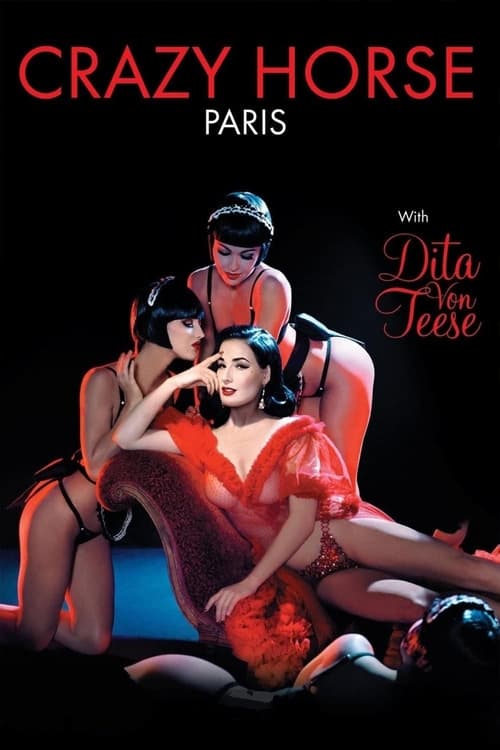
A cinéma vérité look inside Paris' Crazy Horse, a club that boasts the greatest and most chic nude dancing in the world.
2021

2019
2009
2011

2012
2009
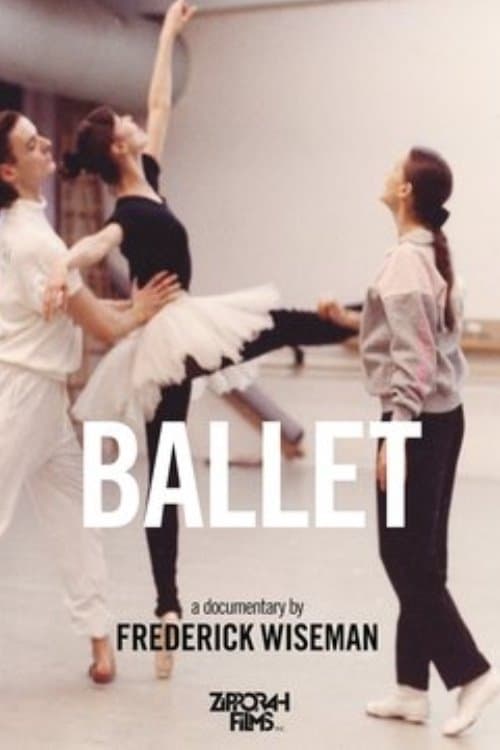
1995

2005
No reviews yet. Be the first to share your thoughts on this movie!
Use the rating form above to leave a star rating and optional review.