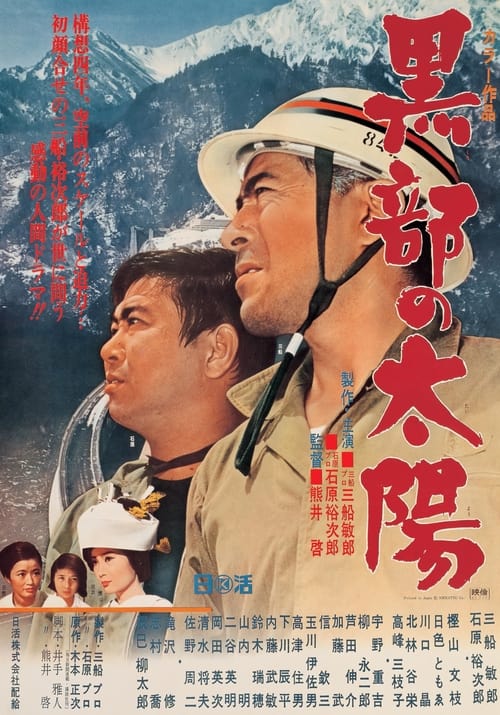
The Sands of Kurobe
1968
No user ratings available yet
Representation score: 4.2 out of 10
Representation Score
Fair
1955
Director
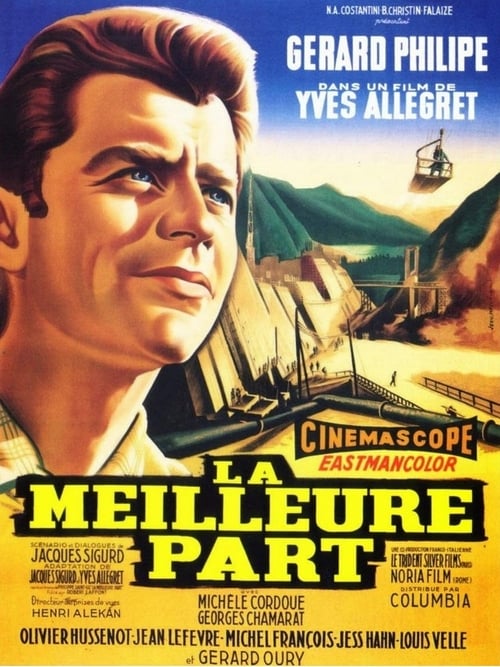
Yves Allégret
Runtime
90 minutes
Average Rating
No ratings yetNew Showbiz Analysis
The film operates as a mid-century humanistic drama that adheres to traditional cinematic hierarchies of its time. While it includes a female professional and an ethnic minority character, these elements do not significantly alter the narrative's power dynamics. Representation often supports the protagonist's journey rather than providing independent depth. Characters from underrepresented backgrounds, such as the Arab worker, function more as plot devices to highlight the central character's situation. Ultimately, the film's structure remains tied to conventional gender roles and industrial themes, prioritizing the individual's struggle against physical and environmental constraints over diverse character's ability to drive the story.
Category Breakdown
The film does not include any LGBTQ+ characters or explore non-straight relationships. The story focuses on a traditional romance between Philippe and Micheline.
Philippe drives the plot through his professional and physical struggles. Micheline, a professional nurse, plays a supporting role to the male protagonist's journey.
An Arab worker is present in the construction setting. However, this character primarily serves as a tragic plot device rather than a figure with sustained influence.
The narrative highlights traditional work ethics and the physical toll of industrial progress. It examines the individual's struggle within established social and industrial structures.
The plot centers on the protagonist's declining health. The film explores the tension between medical authority and personal autonomy regarding bodily control.
Present on Screen
Limited or Absent
Official Synopsis
Philippe Perrin, a young engineer passionate about his work, leads the construction of a huge dam in the High Alps. Like all the men who work on the building site, he gives the best part of himself. Unfortunately, his health deteriorates but he refuses to follow the doctor's orders as well as the advice of Micheline, a young nurse who has fallen in love with him. However, driven by the evolution of his illness, Philippe finally makes up his mind to go down to the valley for a treatment. On the very day of his departure though, a young Arab worker gets killed in a rock crusher...
1968
1971
1954

1960
1963

1958

1953

1961
No reviews yet. Be the first to share your thoughts on this movie!
Use the rating form above to leave a star rating and optional review.