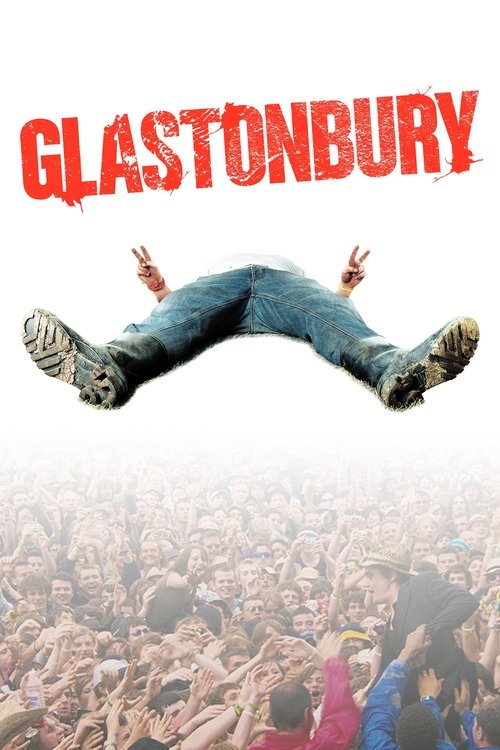
Glastonbury
2006
No user ratings available yet
Representation score: 8.0 out of 10

Representation Score
Good
1995
TV-MADirector
Lisa Lake, Robin Mahoney, William Beaton, Michael Sarne, Matthew Salkeld
Runtime
96 minutes
Average Rating
No ratings yetNew Showbiz Analysis
This documentary serves as a crucial cultural record of the 1993 Glastonbury festival. It functions as an observational document of a subculture, capturing the evolving social dynamics of the early 1990s rather than following scripted character arcs. The film's strength lies in its authentic portrayal of a space that challenged traditional social norms. It offers a glimpse into a period of transition where communalism and social fluidity were valued over rigid institutional structures. However, the representation is limited by the demographic realities of the time. It lacks the intentional intersectionality and deliberate subversion of modern media, particularly regarding disability and diverse casting.
Category Breakdown
The film showcases a community environment where various gender expressions are evident. Though there are no specific LGBTQ+ stories, the crowd dynamics reflect growing acceptance of diverse identities during that time.
Women performers and attendees are featured, highlighting the gender dynamics of the 1990s music scene. The footage captures a transitional period where festival culture started to challenge traditional gender roles.
The documentary includes a range of ethnic diversity among both performers and attendees. However, the representation mirrors the demographic realities and social makeup of the early 1990s UK.
The film effectively portrays alternative cultural values such as communalism and secularism. It depicts the festival as a space where traditional class and religious hierarchies are temporarily set aside.
There is limited evidence of intentional representation of neurodivergence or physical disabilities. No individuals with disabilities are given central roles or detailed narrative focus.
Present on Screen
Limited or Absent
Official Synopsis
A comprehensive re-edit of the source footage shot in 1993 for the original 1995 film, charting three days at the Glastonbury music festival.
2006
2021
2020
2021
2019
1972
1987
2000
No reviews yet. Be the first to share your thoughts on this movie!
Use the rating form above to leave a star rating and optional review.