Punk: Attitude
2005
No user ratings available yet
Representation score: 7.2 out of 10
Representation Score
Excellent
2007
Not RatedDirector
Susan Dynner
Runtime
93 minutes
Average Rating
No ratings yetNew Showbiz Analysis
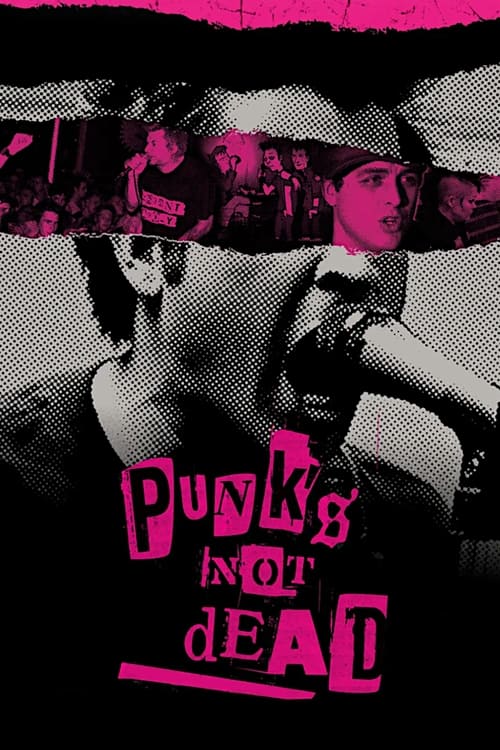
Punk's Not Dead serves as a longitudinal study of a subculture defined by its opposition to dominant social hierarchies. It maps the persistence of anti-establishment values across diverse social spaces, from recording studios to stadiums. The film's strength lies in its portrayal of a community that exists in opposition to traditional institutional norms. It highlights how identity-driven movements maintain core tenets against the pressures of commercialization. However, the documentary lacks specific data on diverse identities. While the themes support a progressive interpretation, the visual evidence for specific representation remains limited.
Category Breakdown
The film explores environments like underground clubs and backyard parties where traditional heterosexual norms are often set aside. These settings naturally highlight queer identities and non-traditional gender expressions.
Punk narratives often challenge traditional hierarchies by emphasizing individual roles. The documentary captures different expressions of masculinity and femininity that differ from mainstream media standards.
The film documents a global musical movement across various social spaces. The soundtrack reflects the potential for diverse, non-Anglo-centric expressions within the underground scene.
By focusing on a subculture that critiques mainstream capitalism and Western institutions, the film supports a framework of systemic critique. It celebrates social non-conformity and anti-authoritarianism.
There is no clear indication that neurodivergence or physical disabilities are given significant roles. Such representation in subcultural documentaries is often secondary.
Present on Screen
Limited or Absent
Official Synopsis
On the edge of the 30th anniversary of punk rock, Punk's Not Dead takes you into the sweaty underground clubs, backyard parties, recording studios, shopping malls and stadiums where punk rock music and culture continue to thrive.
2005
1981

1999
2021
1999
2013
2006
1978
No reviews yet. Be the first to share your thoughts on this movie!
Use the rating form above to leave a star rating and optional review.