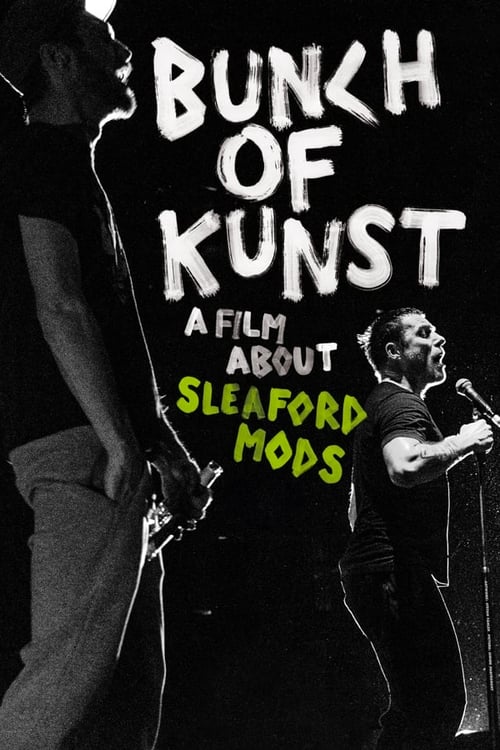
Bunch of Kunst - A Film About Sleaford Mods
2017
No user ratings available yet
Representation score: 4.8 out of 10
Representation Score
Good
2017
TV-MADirector
Niall McCann
Runtime
100 minutes
Average Rating
No ratings yetNew Showbiz Analysis
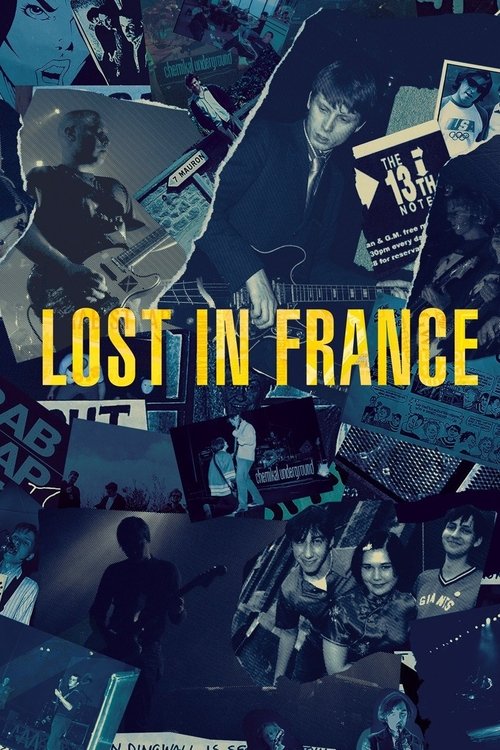
Lost in France serves as a cultural record of the 1990s Scottish independent music scene. Its strength lies in documenting niche, grassroots artistic movements and the community bonds formed through subcultural history. By focusing on the Chemikal Underground label, the film rejects mainstream industry hierarchies in favor of authentic, disorganized creative structures. However, the film’s scope is limited geographically and demographically. The narrative is deeply rooted in a specific regional context, resulting in a lack of racial and ethnic diversity. The focus remains on a localized group of musicians, offering little multi-layered breadth. Ultimately, while the film succeeds as a celebration of non-conformity and subcultural connection, it lacks explicit representation of diverse identities, disability, or multi-ethnic perspectives.
Category Breakdown
The film highlights the community bonds within a music subculture that often aligns with queer-friendly environments. However, specific character identities related to LGBTQ+ status are not clearly defined.
The story emphasizes personal connections between characters rather than strict gender roles. The 1990s indie context might still reflect traditional rock stereotypes about gendered roles.
The narrative centers around a relatively uniform group of musicians from a specific Scottish region. It does not showcase a diverse cast that challenges Anglo-centric norms.
The documentary celebrates subcultural authenticity and non-conformity over mainstream industry standards. It prioritizes a communal, less institutionalized view of success through its focus on a cult label.
There is no indication that neurodivergence or physical disabilities are central themes. The film prioritizes historical and musical narratives over exploring disability.
Present on Screen
Limited or Absent
Official Synopsis
A new documentary explores the rise of Scotland's independent music scene in the '90s, led by cult label Chemikal Underground. On the journey, we revisit a defining, chaotic trip early in the musicians' careers, re-staging a concert in Brittany that connects the characters in life (and on stage) for the first time in many years.
2017
2021

2017
2016
2015
2021
2005
2012
No reviews yet. Be the first to share your thoughts on this movie!
Use the rating form above to leave a star rating and optional review.