Marilyn Manson: Dead to the World
1998
No user ratings available yet
Representation score: 5.8 out of 10
Representation Score
Excellent
1999
Director
Paul Hunter, Marilyn Manson, Floria Sigismondi, Rod Chong, Tom Stern, Matthew Rolston, Dean Karr, E. Elias Merhige, WIZ Andrew John Whiston, Samuel Bayer, Richard Kern
Runtime
45 minutes
Average Rating
No ratings yetNew Showbiz Analysis
This video album serves as a postmodern critique of mass media and religious institutions. It excels at dismantling Western cultural norms and traditional hierarchies through highly stylized, industrial aesthetics. However, the work lacks demographic diversity. The focus on a singular, curated aesthetic results in low racial and ethnic diversity. Additionally, depictions of bodily abnormalities lean toward shock value rather than nuanced representation of disability. Ultimately, the film prioritizes subverting social structures over character-driven narratives that include diverse perspectives.
Category Breakdown
The compilation uses exaggerated, sexualized, and disturbing imagery to challenge traditional beauty standards. While it questions conventional gender roles, specific LGBTQ narratives are overshadowed by a broader theme of alienation.
The visual style challenges traditional gender roles by embracing the absurd and chaotic. It replaces idealized stereotypes with a non-conformist portrayal of identity that disrupts mainstream norms.
The focus remains heavily centered on a single performer and a uniform aesthetic. There is little evidence of a diverse, multi-ethnic cast influencing the narrative.
The film effectively critiques Western institutional authority by deconstructing Christian symbols. It highlights media saturation and capitalist consumption as replacements for spiritual truth through a meta-commentary on social norms.
Imagery of physical distortion and mental decay is used to explore themes of alienation. However, these elements serve as aesthetic tools of shock rather than offering nuanced representations of disability.
Present on Screen
Limited or Absent
Official Synopsis
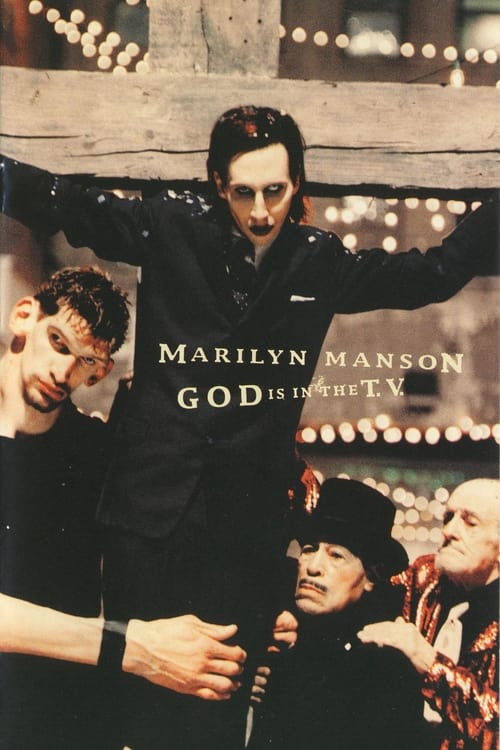
God Is in the T.V. is the second video album by Marilyn Manson. It features all 13 music videos Marilyn Manson spawned between July 1994 and November 1999, as well as uncensored bonus footage from the production of "The Dope Show" music video and nearly an hour of live and backstage footage from the Rock Is Dead tour.
1998
2002
1997
2012
1999
1993
1991
2004
No reviews yet. Be the first to share your thoughts on this movie!
Use the rating form above to leave a star rating and optional review.