Days of Rage: The Rolling Stones' Road to Altamont
2020
No user ratings available yet
Representation score: 3.0 out of 10
Representation Score
Good
2021
TV-MADirector
Garret Price
Runtime
110 minutes
Average Rating
No ratings yetNew Showbiz Analysis
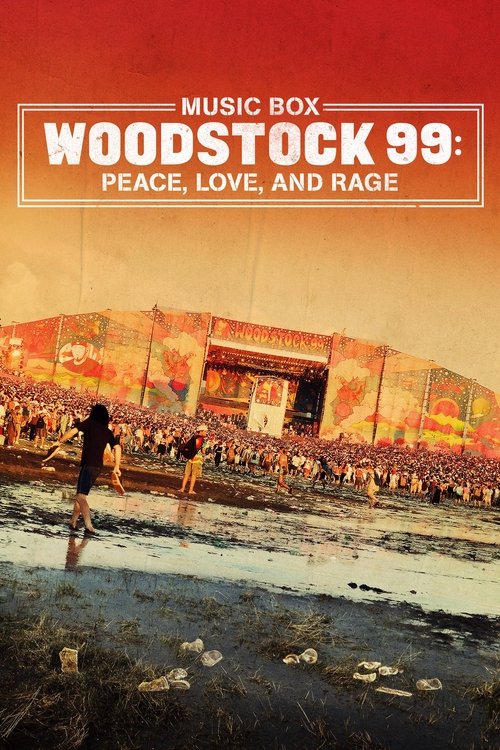
Woodstock 99: Peace, Love, and Rage functions as a forensic examination of how corporate mismanagement can trigger social volatility. The documentary moves beyond a simple retrospective to critique the commodification of rebellion and the failure of institutional oversight. While the film excels at systemic critique and capturing the multi-ethnic reality of the music scene, it lacks depth regarding individual identity politics. The focus on mass crowd dynamics often leaves specific underrepresented groups, such as the LGBTQ+ community and people with disabilities, in the periphery. Ultimately, the film's strength lies in its progressive deconstruction of power structures. It effectively uses the chaos of the event to highlight how capitalist priorities can jeopardize human safety and social order.
Category Breakdown
The film captures the alternative scene through archival footage but lacks dedicated stories or character arcs centered around LGBTQ+ individuals.
The documentary highlights the aggressive, male-dominated atmosphere of the festival crowds. It documents the vulnerability of attendees when social order breaks down.
The film portrays a multi-ethnic demographic consistent with the late-90s nu-metal and alternative music movements. It avoids a monolithic portrayal of the festival-goers.
The narrative offers a strong anti-capitalist critique, framing the festival's failure as corporate negligence. It deconstructs the commercialized Woodstock brand as a failed institution.
The lens remains focused on macro-level sociological breakdowns and large-scale crowd dynamics. There is no intentional focus on neurodivergence or physical disability.
Present on Screen
Limited or Absent
Official Synopsis
Explore Woodstock 99, a three-day music festival promoted to echo unity and counterculture idealism of the original 1969 concert but instead devolved into riots, looting and sexual assaults.
2020
1981
2020
2021
2023
2019
2000
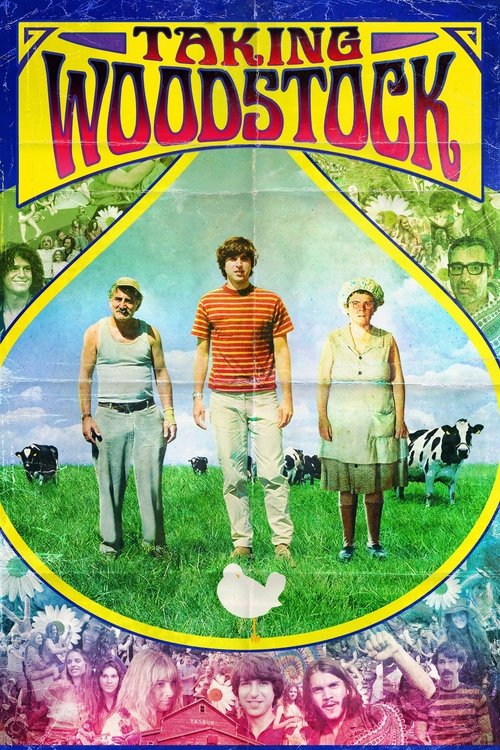
2009
No reviews yet. Be the first to share your thoughts on this movie!
Use the rating form above to leave a star rating and optional review.