Static in the Attic
1939
No user ratings available yet
Diversity score: 1.5 out of 10
1933
ApprovedDirector
Charley Chase
Runtime
18 minutes
Average Rating
No ratings yetSynopsis
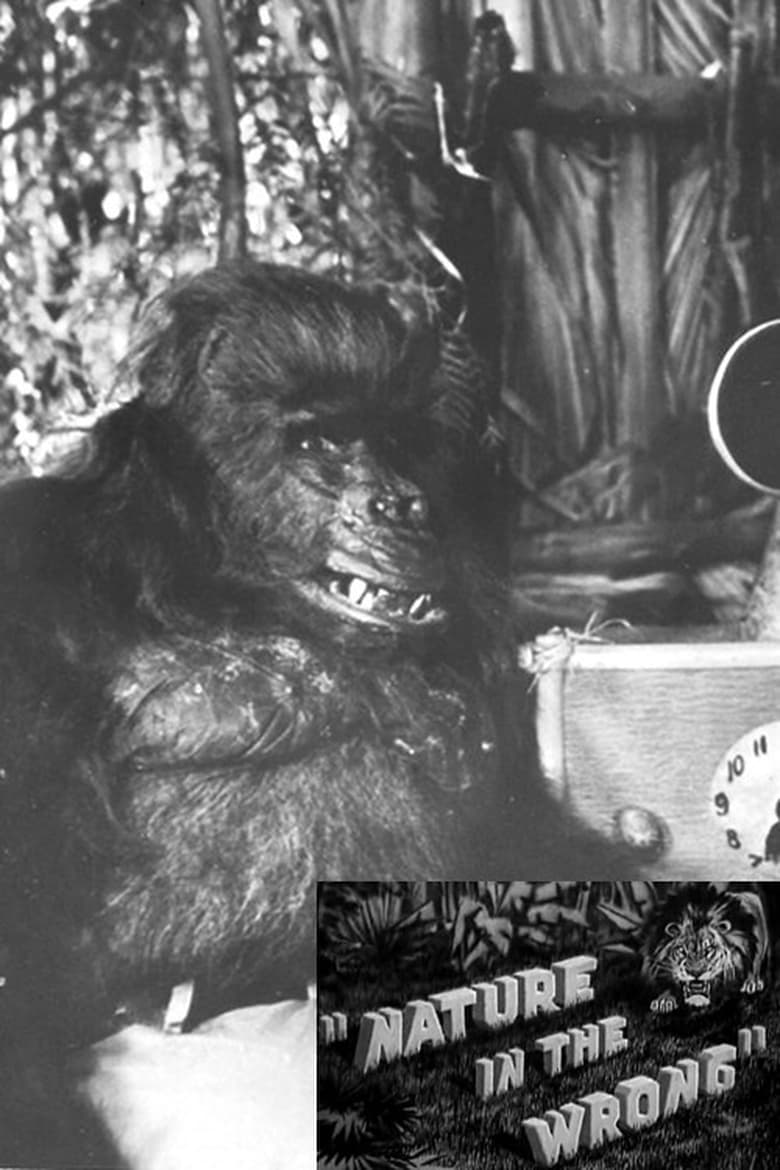
Charley, hoping to find cultured people in his ancestry in order to be suitable to Muriel's family, is tricked by his rival Ronnie into believing himself a descendant of Tarzan. Conked on the head, Charley suddenly believes he IS Tarzan.
Overall Score
Minimal
Category Breakdown
LGBTQ+ Representation
The film lacks any depiction of non-heteronormative identities or same-sex intimacy. Romantic motivations appear strictly limited to traditional courtship dynamics.
Gender Representation
Female characters like Muriel function primarily as catalysts for male social anxiety. The film follows standard era tropes without subverting gender hierarchies.
Racial & Ethnic Diversity
The narrative relies on the Tarzan archetype, a trope historically linked to colonialist themes of civilization versus savagery. It maintains a homogeneous Western perspective.
Religious & Cultural Diversity
The story explores the absurdity of classism and performative culture. However, it does not explicitly challenge Western institutions or promote secularism.
Disability Representation
A temporary cognitive shift caused by physical trauma serves as a comedic plot device. It lacks a nuanced exploration of neurodivergence or mental health.
Strengths
Areas for Improvement
AI Analysis
Nature in the Wrong is a period comedy that prioritizes class-based social climbing and slapstick identity shifts over systemic representation. The plot centers on a protagonist attempting to manufacture a cultured lineage to satisfy familial expectations, using a psychological break as a comedic engine. The film's reliance on the Tarzan trope suggests a narrative architecture rooted in colonialist archetypes of civilization versus instinct. This focus, combined with traditional gender roles, results in a narrow perspective that lacks intersectional depth. Ultimately, the film functions as a critique of class rigidity rather than a vehicle for diverse identities. It remains a product of its era, focusing on individual social anxieties within established Western structures.
1939
1937
1938
1935
1938
1939
1912

1940
1922
1923
1930
1929
No reviews yet. Be the first to share your thoughts on this movie!
Use the rating form above to leave a star rating and optional review.