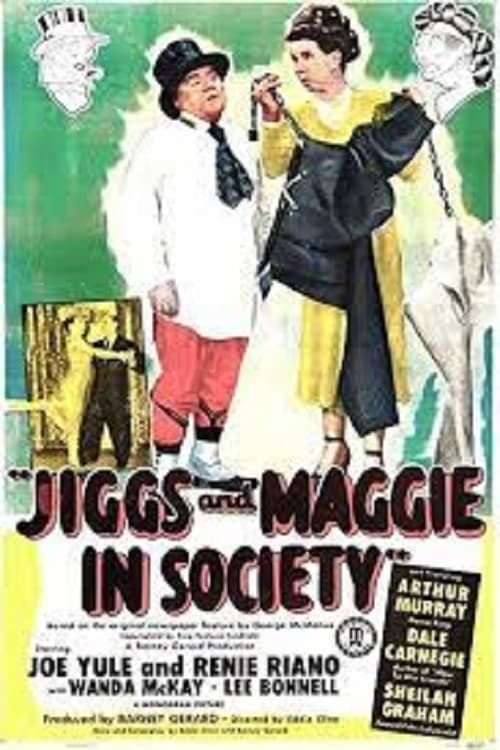
Jiggs and Maggie in Society
1947
No user ratings available yet
Diversity score: 2.6 out of 10
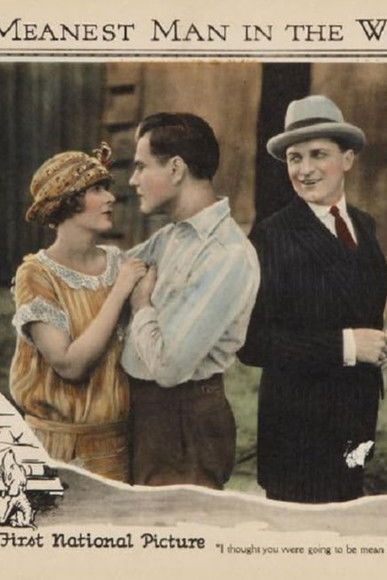
1923
PassedDirector
Edward F. Cline
Runtime
60 minutes
Average Rating
No ratings yetSynopsis
Richard Clark is a kind lawyer who decides to get tough after losing all his clients, but he discovers it's not that easy to be mean.
Overall Score
Minimal
Category Breakdown
LGBTQ+ Representation
The film lacks any evidence of non-heteronormative identities. The narrative focuses on a male lawyer's temperament within a conventional framework.
Gender Representation
The story centers on Richard Clark, a male protagonist navigating a professional transformation. There is no indication of female agency or the subversion of gendered power dynamics.
Racial & Ethnic Diversity
The film appears to follow the homogeneous casting practices typical of 1920s American silent comedy. There is no visible intersectional representation in the available details.
Religious & Cultural Diversity
The plot explores an individual moral dilemma regarding kindness and toughness. It adheres to traditional storytelling without disrupting the era's standard cultural norms.
Disability Representation
There is no information regarding the inclusion of characters with physical or neurodivergent disabilities.
Strengths
Areas for Improvement
AI Analysis
This 1923 comedy focuses on the personal moral evolution of Richard Clark, a lawyer attempting to transition from kindness to toughness. The narrative is driven by individual character quirks and situational irony rather than social critique. The film reflects the standard cinematic architecture of the silent era, prioritizing slapstick traditions and individualistic storytelling. It operates within a traditional social framework that lacks intentionality regarding systemic representation. Ultimately, the work functions as a character-driven piece that adheres to the conventional hierarchies and homogeneous casting common to early 20th-century American cinema.
1947
1943

1923
1943
1939

1936

1921
1935
1948
1914
1933
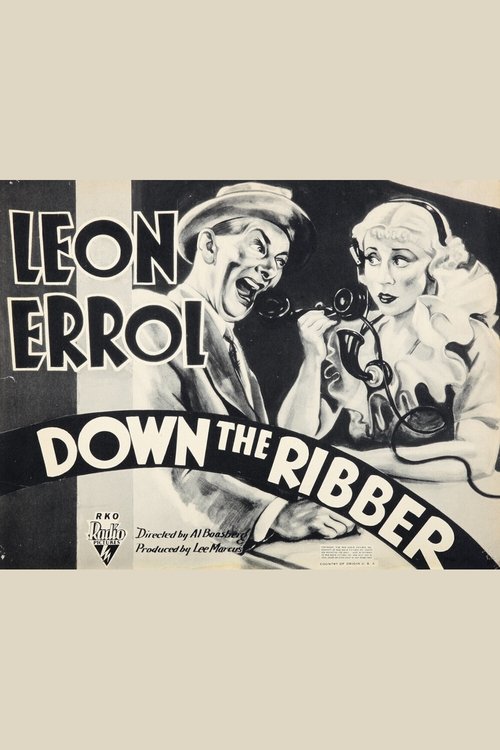
1936
No reviews yet. Be the first to share your thoughts on this movie!
Use the rating form above to leave a star rating and optional review.