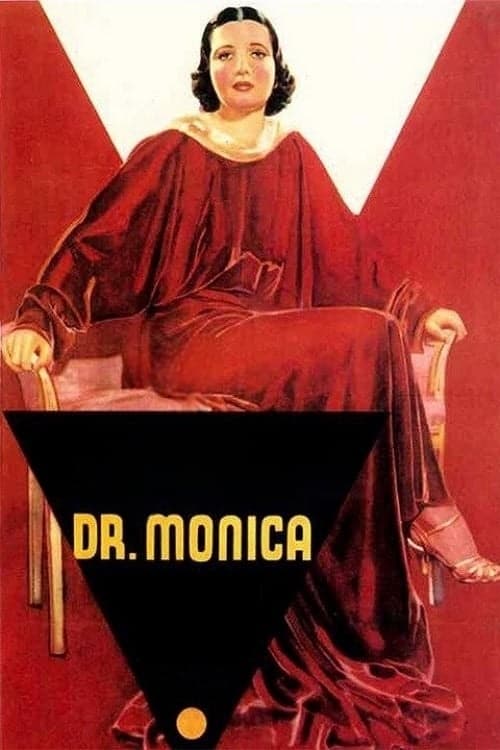
Dr. Monica
1934
No user ratings available yet
Representation score: 2.4 out of 10
Representation Score
Fair
1933
PassedDirector
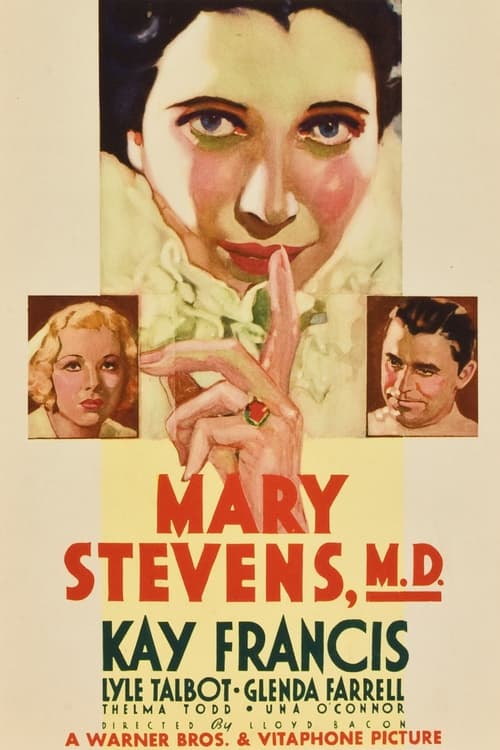
Lloyd Bacon
Runtime
72 minutes
Average Rating
No ratings yetNew Showbiz Analysis
Mary Stevens, M.D. stands out for its progressive handling of gender, centering on a female physician's professional authority. This challenges traditional gender roles and provides a strong foundation for the film's narrative. However, the film is heavily limited by the systemic biases of 1933. It lacks racial diversity and offers no representation for LGBTQ+ or disabled characters, remaining firmly within the era's homogeneous social frameworks. Ultimately, the film is a transitional work. It successfully challenges gendered expectations while remaining tethered to the traditional cultural and racial norms of early Hollywood.
Category Breakdown
The film follows a romantic structure between the leads that assumes everyone is straight or cisgender. There is no evidence of same-sex relationships or non-cisgender identities.
Mary Stevens is a central figure with significant intellectual influence as a physician. The plot highlights her struggle for respect in a male-dominated field.
The casting is overwhelmingly homogeneous, reflecting the era's standard. It lacks significant racial or ethnic diversity within its professional setting.
The narrative operates within traditional social structures and Western institutions. It lacks critique of the medical establishment or anti-institutional sentiment.
There is no evidence of characters with visible or invisible disabilities driving the story. The medical focus remains on professional practice.
Present on Screen
Limited or Absent
Official Synopsis
Lifelong friends and medical school graduates Mary Stevens and Don Andrews decide to set up office together. While Mary struggles to earn respect because of her gender, Don gets caught up in his ambitions for a bigger life.
1934
1920
1939
1932
1917
1948
1932
1933
No reviews yet. Be the first to share your thoughts on this movie!
Use the rating form above to leave a star rating and optional review.