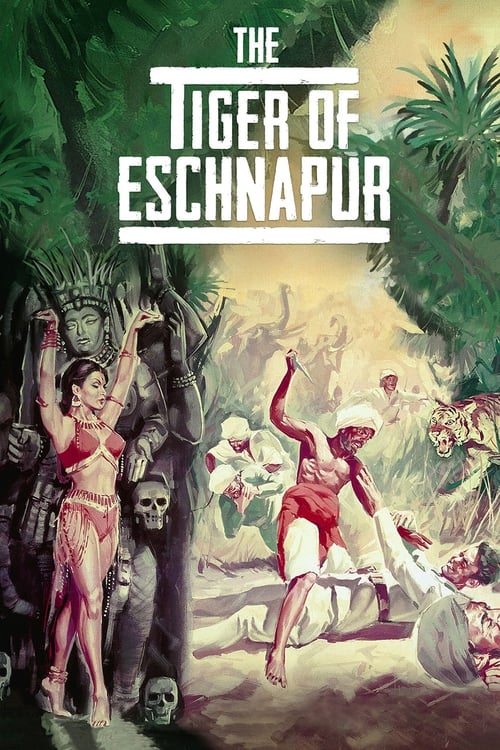
The Tiger of Eschnapur
1959
No user ratings available yet
Representation score: 1.2 out of 10
Representation Score
Limited
1955
ApprovedDirector
Jean Negulesco
Runtime
104 minutes
Average Rating
No ratings yetNew Showbiz Analysis
The film presents a nuanced psychological study of women's ability to drive the story and emotional rebellion, challenging mid-century domestic clichés through Edwina Esketh's internal conflict. Her struggle against matrimonial constraints adds a layer of complexity often missing from 1950s melodramas. However, the production is heavily influenced by a colonialist perspective. The Indian setting and local characters primarily serve as a backdrop for Western emotional growth, limiting the roles of Indian figures. Ultimately, while the film successfully explores individual passion versus societal norms, it remains tied to the era's colonialist and conventions that assume everyone is straight.
Category Breakdown
The film does not include any identifiable LGBTQ+ characters or non-straight relationships. Romantic conflicts are confined to traditional courtship and marriage.
The story revolves around Edwina Esketh's emotional rebellion against an arranged marriage. It emphasizes her subjective desires over the typical cliché of the dutiful wife.
The narrative unfolds within a colonial framework where white characters navigate an Indian setting. Power dynamics favor Western characters, limiting the roles of Indian figures.
The film examines the tension between Western romantic ideals and Indian social structures. These conflicts are portrayed as personal moral struggles rather than systemic issues.
There are no visible or invisible disabilities that play a significant role in the narrative. Disabilities are not used as key character traits or plot devices.
Present on Screen
Limited or Absent
Official Synopsis
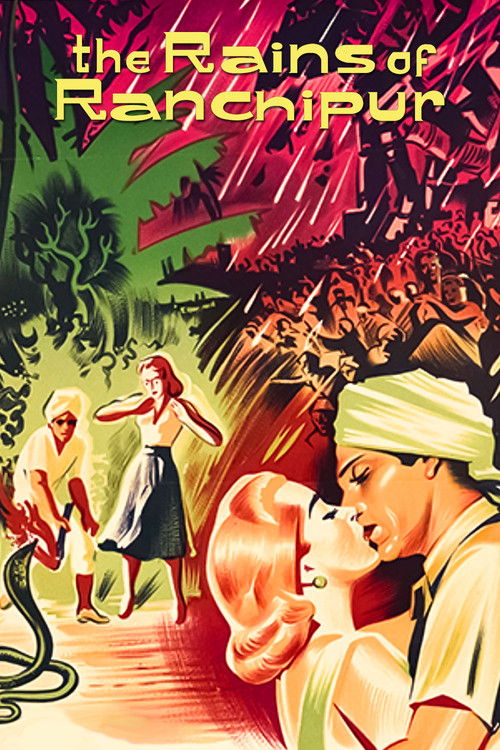
India. The spoilt and stubborn Edwina Esketh, comes to a small town with her husband. She falls in love with an indian doctor, Dr. Safti. She also meets an old friend of hers, the alcoholic Tom Ransome. An awful earthquake is followed by days of rain.
1959
1959
1935
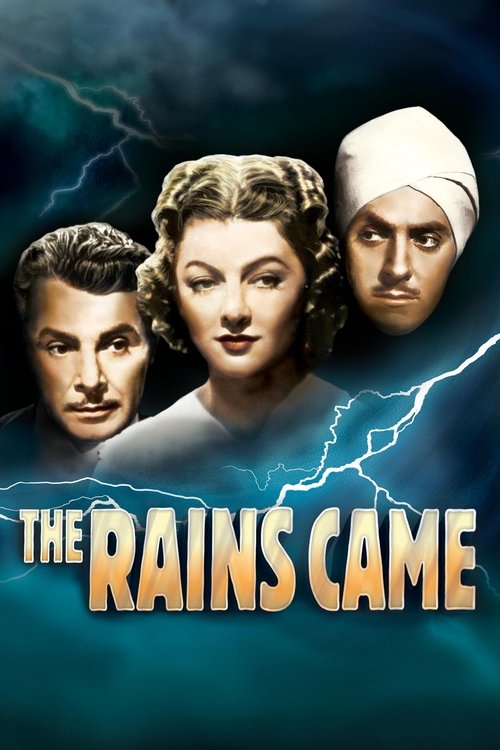
1939
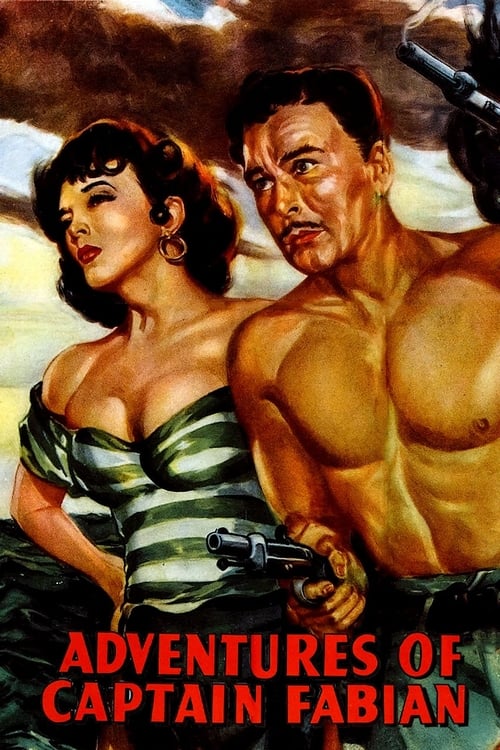
1951
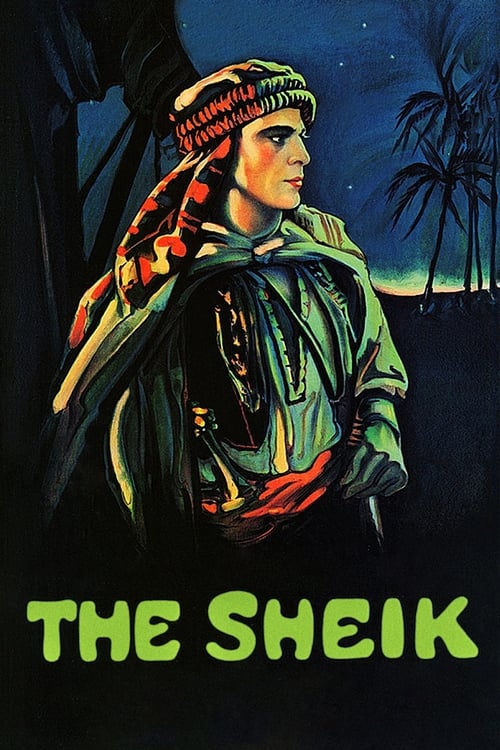
1921

1945
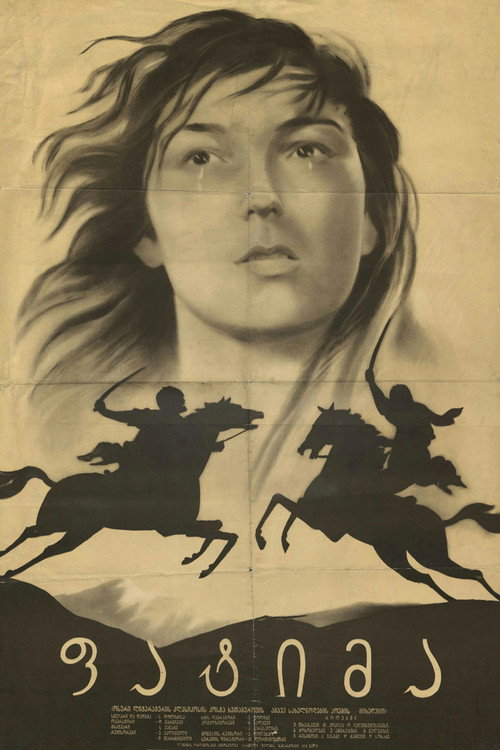
1958
No reviews yet. Be the first to share your thoughts on this movie!
Use the rating form above to leave a star rating and optional review.