Cain and Mabel
1936
No user ratings available yet
Representation score: 1.1 out of 10
Representation Score
Minimal
1928
PassedDirector
Lloyd Bacon
Runtime
55 minutes
Average Rating
No ratings yetNew Showbiz Analysis
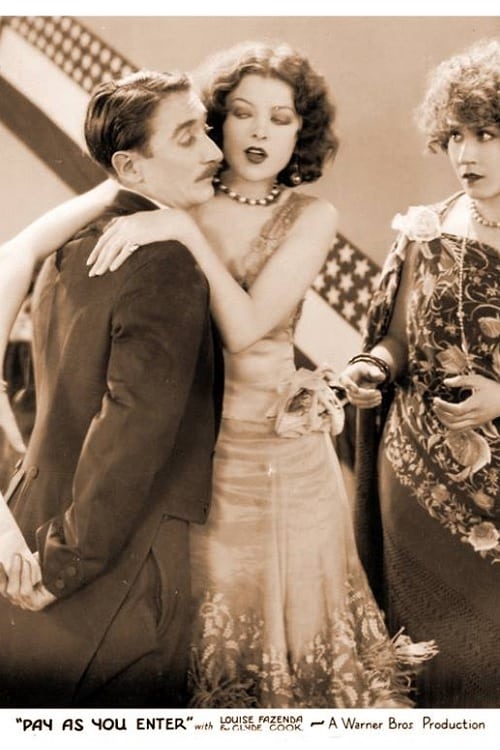
Pay as You Enter operates within the comedic frameworks of the late 1920s, using situational humor and class-based tension. The narrative centers on the friction between economic limitations and high-society expectations. While the film touches on socioeconomic disparities, it does so through conventional clichés rather than a critique of systemic issues. Ultimately, the film upholds the social and cultural norms of its time without challenging or deconstructing the prevailing power dynamics. The film lacks the intentionality needed to challenge or break down the traditional power structures of the era.
Category Breakdown
The film does not include any characters with LGBTQ+ identities. The romantic tension is confined to the heterosexual relationships typical of the 1920s.
Mary Smith has economic independence as a coffee shop owner, but the main conflict is driven by male competition. The film upholds traditional gender roles without challenging them.
The cast appears uniform, reflecting the standard casting practices of the time. There is no indication of intentional racial diversity or varied identity representation.
Class conflicts are explored through the protagonist's experiences in high-society settings. However, these scenarios are used for slapstick humor rather than critiquing systemic inequalities.
There are no characters with visible or invisible disabilities. Such identities are not used as plot devices or given ability to act.
Present on Screen
Limited or Absent
Official Synopsis
Trolley car conductor Clyde Jones and bus conductor "Terrible Bill" Jones are arch rivals for the hand of coffee-shop owner Mary Smith.
1936

1934

1920

1928

1935

1928
1927

1928
No reviews yet. Be the first to share your thoughts on this movie!
Use the rating form above to leave a star rating and optional review.