Quigley Down Under
1990
No user ratings available yet
Representation score: 2.5 out of 10
Representation Score
Minimal
1972
PGDirector
Michael Winner
Runtime
100 minutes
Average Rating
No ratings yetNew Showbiz Analysis
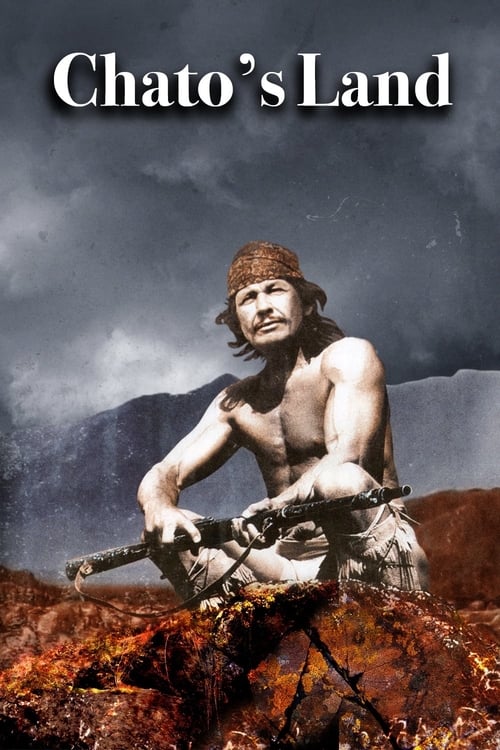
Chato's Land is a traditional Western that centers its conflict on racial tensions and frontier justice. While it features a mixed-heritage protagonist, the film adheres to conventional power dynamics and masculine-driven storytelling. The film touches on themes of bigotry and systemic prejudice but lacks complexity in addressing these issues. It serves primarily as a period piece reflecting the constraints of its time. Ultimately, the film fails to give a significant role in driving the story to underrepresented groups or women, focusing instead on the struggle between individual freedom and collective authority.
Category Breakdown
The film does not include any LGBTQ+ characters or explore non-straight identities. It sticks to traditional heterosexual relationships.
The story is driven by a traditional masculine perspective. Men have significant control over the plot, while women play minor roles with little influence.
The main character, who has mixed heritage, drives the central tension and criticizes systemic racism. However, the film often relies on conventional Western stereotypes about racial conflict.
The story emphasizes traditional Western ideals like frontier justice and social order. It focuses on survival and upholds capitalist values.
There are no characters with visible or invisible disabilities that play a central role in the plot or play a significant role in driving the story.
Present on Screen
Limited or Absent
Official Synopsis
In 1870s New Mexico, a half-breed kills a bigoted sheriff in self-defense but the posse that eventually hunts him finds itself in dangerous territory.
1990

1958
1972
1964
1976
1961
1970

1950
No reviews yet. Be the first to share your thoughts on this movie!
Use the rating form above to leave a star rating and optional review.