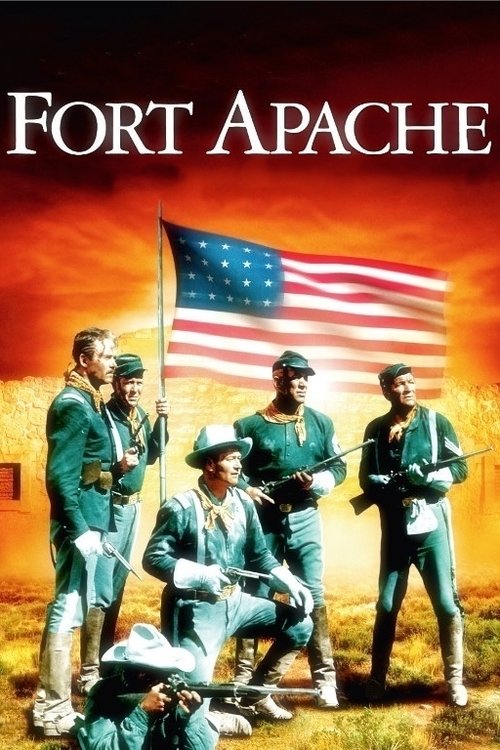
Fort Apache
1948
No user ratings available yet
Representation score: 1.4 out of 10
Representation Score
Minimal
1950
ApprovedDirector
John Ford
Runtime
105 minutes
Average Rating
No ratings yetNew Showbiz Analysis
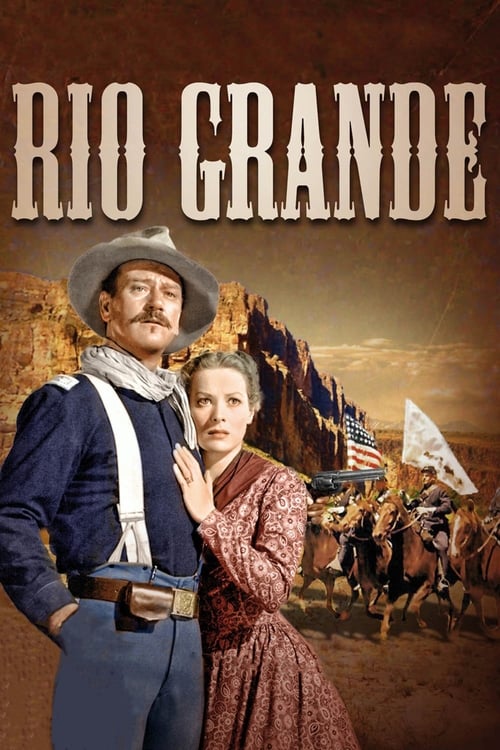
Rio Grande is a classic mid-century Western that upholds traditional social and institutional hierarchies. Its narrative structure revolves around stable military, patriarchal, and nationalist frameworks, providing a conventional depiction of the American frontier. The inclusion of Mexican characters is limited, serving mainly to highlight the Anglo-American perspective. The film avoids moral ambiguity, presenting a straightforward world where allegiance to the U.S. Army is the highest virtue. Overall, Rio Grande reinforces traditional archetypes without challenging them, offering a window into the era’s standard social orders without attempting to subvert or deconstruct them.
Category Breakdown
The film does not include any LGBTQ+ characters or explore non-straight relationships. It focuses solely on heterosexual relationships and traditional gender roles.
Women in the film primarily support the male characters emotionally and are not central to the plot. The story centers on male leadership and the military structure, emphasizing traditional gender roles.
Mexican characters appear as supporting figures to the main Anglo-American storyline. The film highlights the Anglo-American perspective, reflecting the societal norms of its time.
The film emphasizes traditional Western values, such as military authority and national duty. It portrays a clear moral landscape centered on patriotism and institutional loyalty.
The film does not feature any characters with visible or invisible disabilities that significantly impact the story or character development.
Present on Screen
Limited or Absent
Official Synopsis
Lt. Col. Kirby Yorke is posted on the Texas frontier to defend settlers against depredations of marauding Apaches. Col. Yorke is under considerable stress by a serious shortage of troops of his command. Tension is added when Yorke's son (whom he hasn't seen in fifteen years), Trooper Jeff Yorke, is one of 18 recruits sent to the regiment.
1948

1949
1948
1965
1953

1950

1959
1964
No reviews yet. Be the first to share your thoughts on this movie!
Use the rating form above to leave a star rating and optional review.