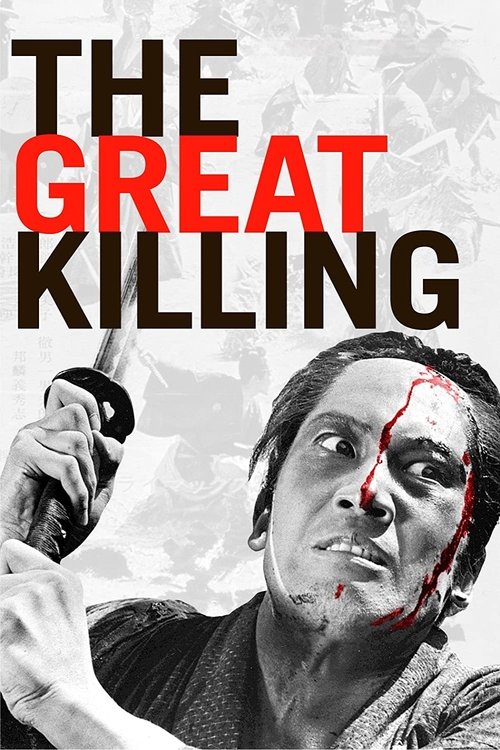
The Great Killing
1964
No user ratings available yet
Representation score: 5.1 out of 10
Representation Score
Limited
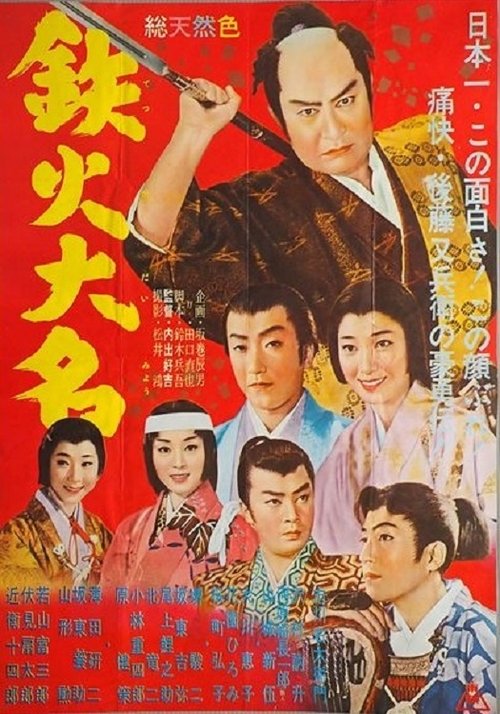
1961
Director
Kokichi Uchide
Runtime
92 minutes
Average Rating
No ratings yetNew Showbiz Analysis
Lord of Steel Heart is a traditional period drama that adheres closely to the genre conventions of 1961. The narrative is driven by masculine-coded archetypes and patriarchal power structures, limiting diverse gender and LGBTQ+ representation. While the film offers a subtle critique of institutional corruption, it lacks multi-layered breadth due to its historical setting and focus on feudal politics. However, it questions the morality of absolute authority.
Category Breakdown
The film focuses on feudal politics and martial conflict without any depiction of non-straight or non-cisgender identities or same-sex relationships.
The story centers on masculine roles like warriors and lords, with power dynamics based on a traditional patriarchal hierarchy that does not include strong female roles.
The cast is historically accurate, reflecting the demographics of post-Sekigahara Japan without any whitewashing.
The narrative explores the tension between personal morality and institutional loyalty, critiquing the legitimacy of traditional authority as a source of injustice.
There is no information about the portrayal of physical or neurodivergent disabilities in the film.
Present on Screen
Limited or Absent
Official Synopsis
A Tokugawa Daimyo rebels against an his lord after the battle of Sekigahara. Samurai Matabei, a famous spear fighter and warrior, is a vassal of lord Honjo. One of Honjo's most trusted under-lords is Sanzaemon. He has designs on Matabei's fief, and he plots to kill Matabei. He finally convinces Lord Honjo of Matabei's guilt. Now Matabei must fight to survive.
1964
1972
1966
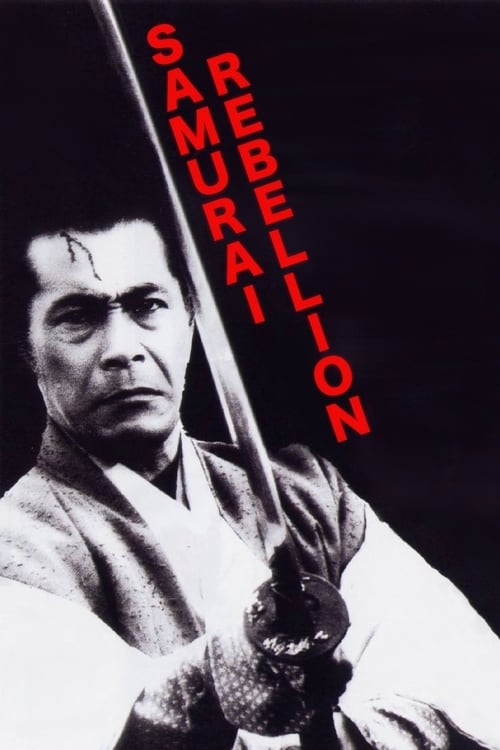
1967
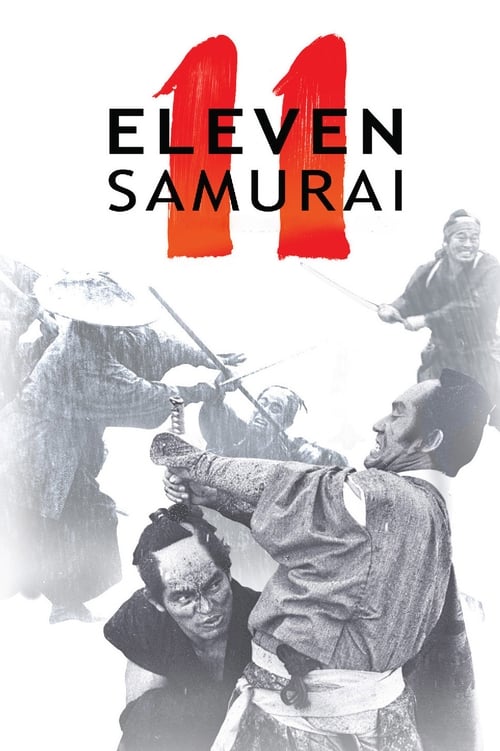
1967

1961
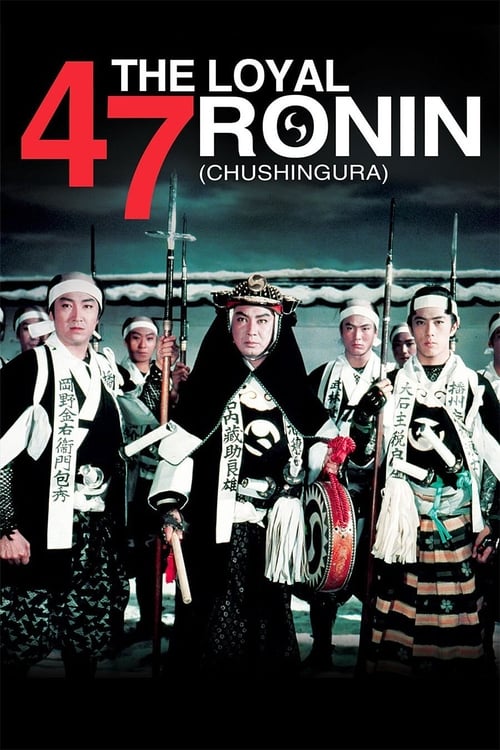
1958

1963
No reviews yet. Be the first to share your thoughts on this movie!
Use the rating form above to leave a star rating and optional review.