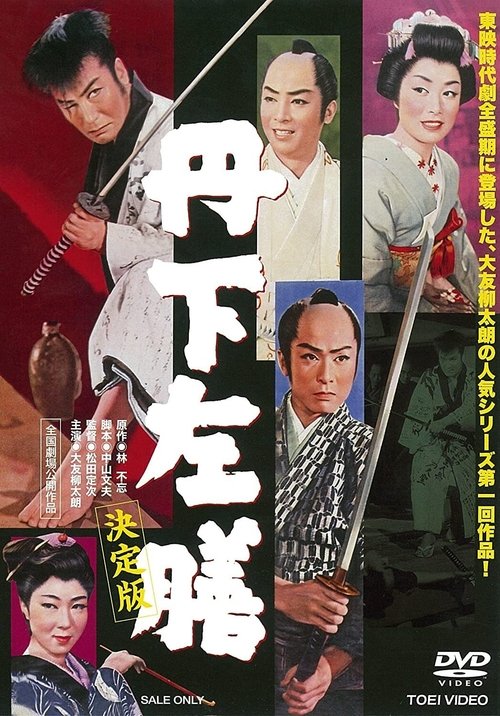
Secret of The Golden Spell
1958
No user ratings available yet
Representation score: 4.4 out of 10

Representation Score
Limited
1961
Director
Sadatsugu Matsuda
Runtime
84 minutes
Average Rating
No ratings yetNew Showbiz Analysis
Tange Sazen and the Princess is a period piece that emphasizes historical accuracy and genre conventions. It adheres to the social hierarchies of the Edo period, focusing on lineage and martial traditions. The film's standout feature is its portrayal of a blind protagonist who drives the plot through his unique sensory abilities. His disability is central to his identity and combat style. However, the narrative upholds traditional gender roles and class distinctions, reinforcing the existing social order.
Category Breakdown
The film follows a traditional feudal structure and does not include any non-binary gender identities or queer themes.
Gender roles adhere to typical samurai movie conventions. The Princess has a high social standing but her influence is tied to her noble status rather than challenging patriarchal norms.
The cast is entirely Japanese, maintaining cultural authenticity to the historical setting without relying on racial stereotypes or whitewashing.
The story highlights honor and strict social classes. It celebrates martial traditions and the protection of noble families.
The blind protagonist, Tange Sazen, plays a key role in the story. His disability is integral to his identity and fighting style.
Present on Screen
Limited or Absent
Official Synopsis
Tange Sazen interferes with an evil plot against the Iga Yagyu family.
1958

1972
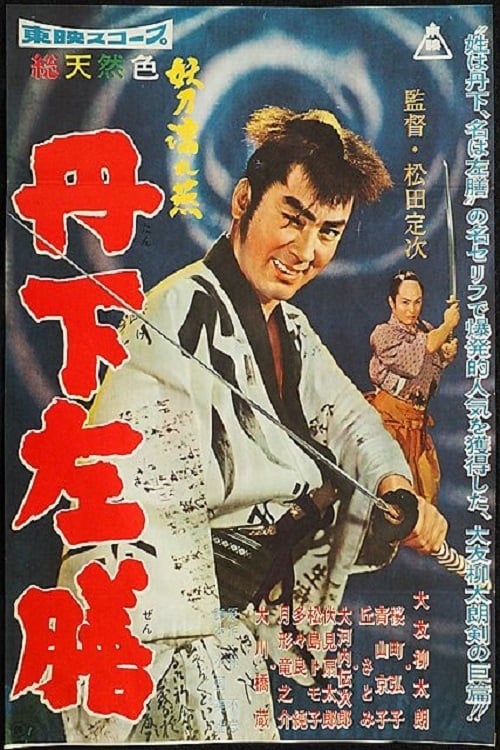
1960
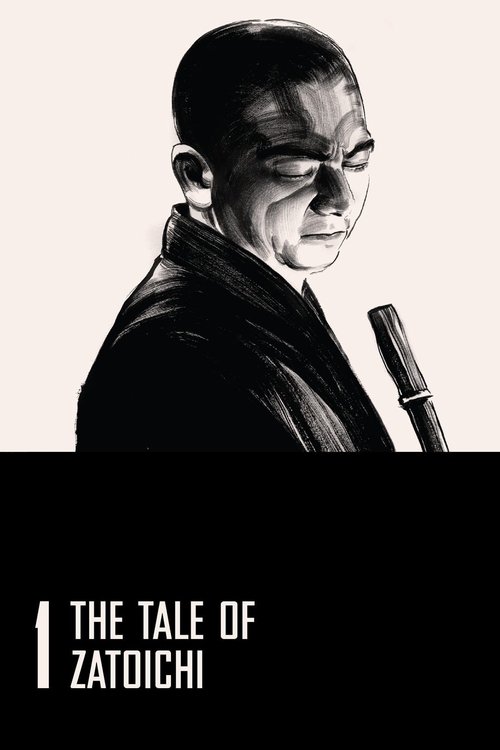
1962

1959
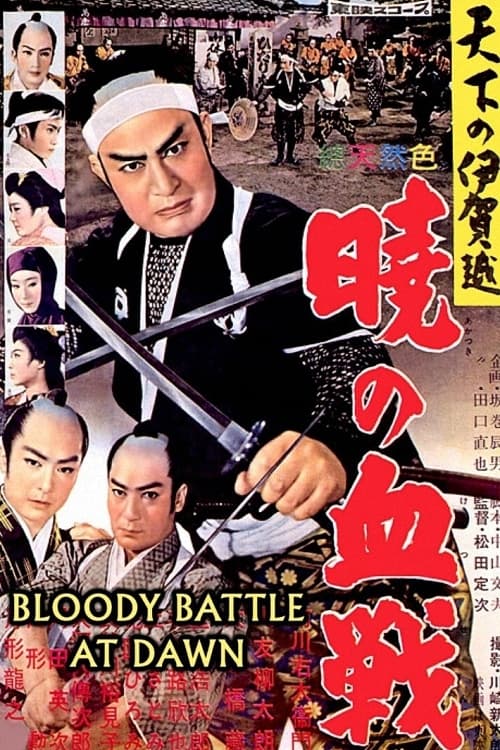
1959
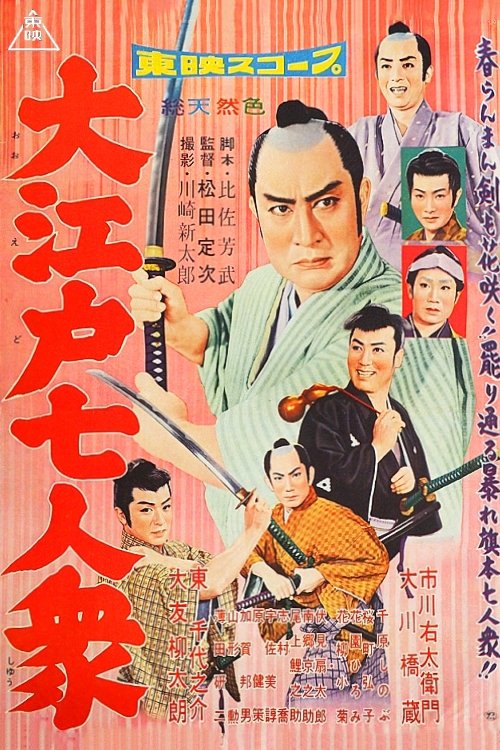
1958
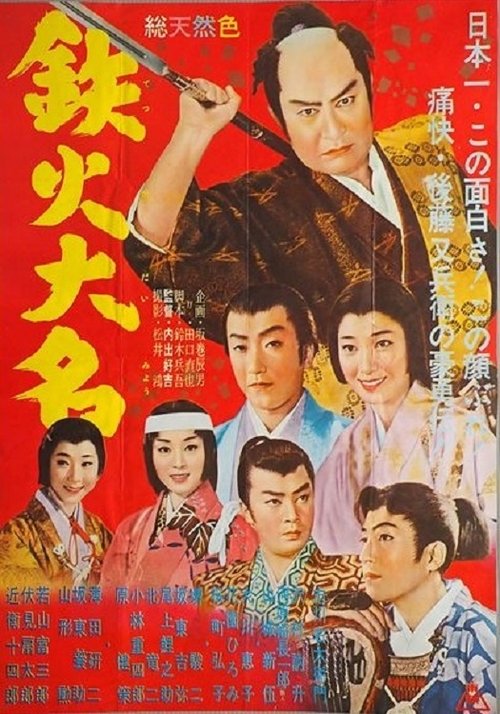
1961
No reviews yet. Be the first to share your thoughts on this movie!
Use the rating form above to leave a star rating and optional review.