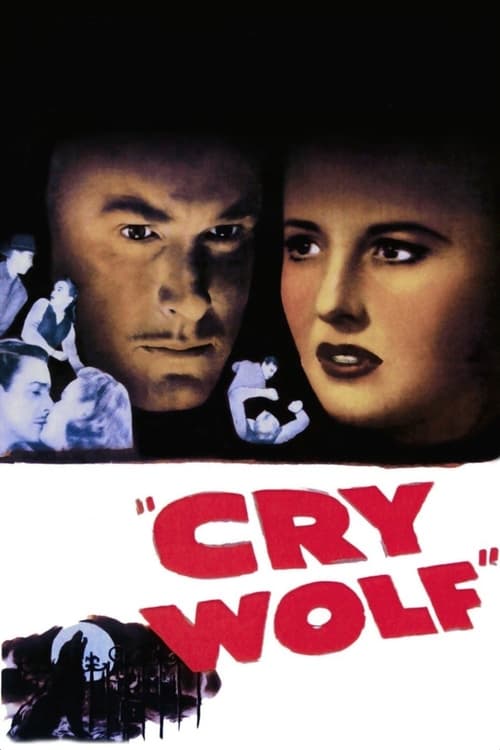
Cry Wolf
1947
No user ratings available yet
Representation score: 0.6 out of 10

Representation Score
Minimal
1953
NRDirector
Joel Newton
Runtime
73 minutes
Average Rating
No ratings yetNew Showbiz Analysis
Jennifer is a classic mid-century noir that emphasizes gothic atmosphere and psychological suspense over social commentary. While the cinematography by Wong Howe adds significant artistic value, the film remains firmly rooted in the era's standard demographic norms. The narrative focuses on individual paranoia and the mystery of a disappearance. It lacks intentional challenges to social hierarchies or multi-layered representation, functioning instead as a character-driven genre piece. Ultimately, the film serves as a snapshot of 1950s studio filmmaking, emphasizing suspense and traditional formulas rather than diverse or progressive perspectives.
Category Breakdown
The mystery revolves around a missing woman and the protagonist's obsession. There is no representation of non-traditional gender identities or critiques of the assumption that everyone is straight.
Ida Lupino’s character leads the plot through her intellectual curiosity. However, the noir style often portrays the female lead as vulnerable or struggling.
The cast is predominantly white, featuring actors like Lupino and Duff. The setting reflects a homogeneous social environment typical of 1950s American noir.
The film adheres to standard mystery conventions without challenging Western institutions or family structures. It operates within a traditional moral framework of resolution.
The plot does not mention characters dealing with physical disabilities, neurological differences, or chronic illnesses.
Present on Screen
Limited or Absent
Official Synopsis
A young woman is hired to take care of an eerie old mansion, where she finds herself entangled with an enigmatic murderer.
1947
1940

1945
1946

1956
1963

1944

1960
No reviews yet. Be the first to share your thoughts on this movie!
Use the rating form above to leave a star rating and optional review.