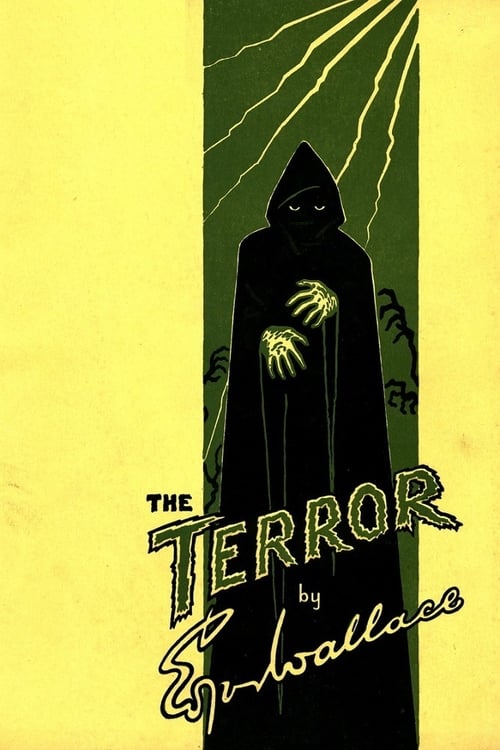
The Terror
1928
No user ratings available yet
Representation score: 1.1 out of 10
Representation Score
Limited
1931
NRDirector
Alan James
Runtime
61 minutes
Average Rating
No ratings yetNew Showbiz Analysis
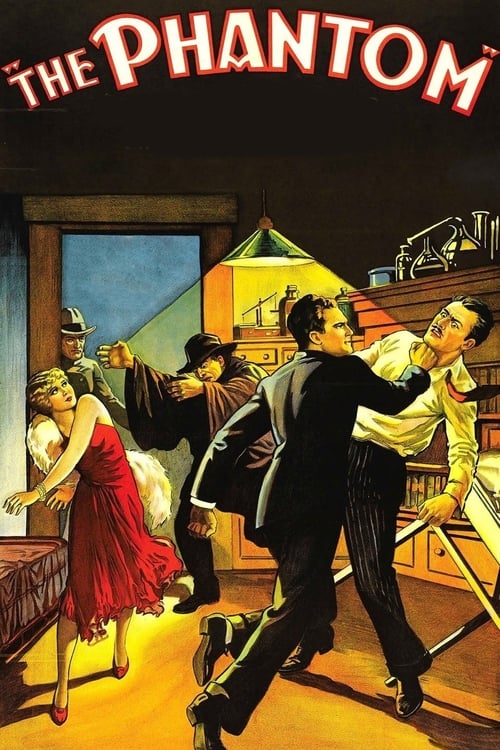
The Phantom is a typical 1931 mystery that relies heavily on established genre clichés. It uses a traditional hero-and-heroine dynamic that has little control over what happens to them for female characters and fails to provide any meaningful characters who reflect more than one aspect of diversity. Narratively, the film uses mental health as a source of tension rather than exploring neurodivergence with depth. The casting and setting suggest a homogeneous, Western-centric worldview typical of Poverty Row productions of the era. Ultimately, the film functions as a conventional thriller that reinforces existing social hierarchies rather than challenging them.
Category Breakdown
The film follows a traditional mystery structure without showing any non-binary or transgender characters. It adheres to the assumption that everyone is straight and cisgender, which was common in early 1930s cinema.
The main characters follow a conventional gender hierarchy where the male reporter holds more power compared to the female heroine. The female lead is portrayed as innocent and passive, lacking control over her own story.
The cast appears to be mostly white and Anglo-Saxon. There are no significant roles for non-white actors in this mansion-set mystery.
The story reinforces traditional Western structures of law and investigation. It functions as a standard exploration of crime within a conventional social framework.
Mental health issues are used as a plot device involving a deranged killer in an asylum. This leans toward using mental illness as a tool for horror rather than a nuanced exploration.
Present on Screen
Limited or Absent
Official Synopsis
An eclectic group of people are stalked by a masked killer in an old mansion.
1928

1964
1932
1946
1974
1944
2011

1933
No reviews yet. Be the first to share your thoughts on this movie!
Use the rating form above to leave a star rating and optional review.