
The Day After Trinity
1980
No user ratings available yet
Representation score: 2.8 out of 10
Representation Score
Limited
1982
Not RatedDirector
Jayne Loader, Kevin Rafferty, Pierce Rafferty
Runtime
86 minutes
Average Rating
No ratings yetNew Showbiz Analysis
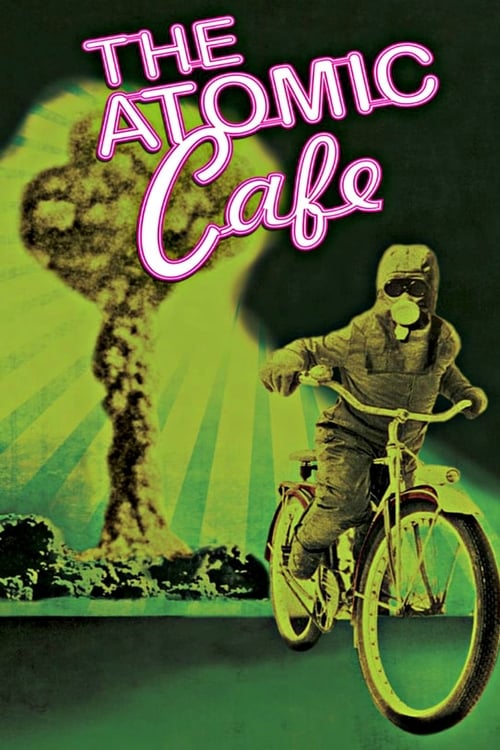
The Atomic Cafe is a postmodern documentary that deconstructs historical propaganda using found-footage techniques. Since it relies on 1940s and 1950s government films, the content is inherently limited by the era's lack of diversity. While the source material is socially conservative and homogeneous, the film's strength lies in its use of irony to dismantle the authority of institutions that historically excluded underrepresented groups. Ultimately, the film's diversity is found in its intellectual critique of capitalism and state power rather than in its casting or character variety.
Category Breakdown
The film does not include any LGBTQ+ characters or individuals with non-cisgender identities. This absence is due to the use of mid-century archival footage as the main source material.
The archival footage reinforces 1950s gender roles, depicting men as protectors and women in domestic roles. However, the film uses these rigid portrayals to highlight the absurdity of traditional gendered survivalism.
The archival material primarily features white, middle-class families, reflecting the era's social limitations. The film critiques this historical homogeneity and lack of diverse representation.
The documentary excels at critiquing Western institutions and the military-industrial complex. It uses irony to expose the gap between state-sanctioned propaganda and the realities of the Cold War.
The film does not significantly address visible or invisible disabilities. Instead, it focuses on the collective psychological state of the citizenry during the Cold War era.
Present on Screen
Limited or Absent
Official Synopsis
A disturbing collection of 1940s and 1950s United States government-issued propaganda films designed to reassure Americans that the atomic bomb was not a threat to their safety.
1980
1966
2014

2012
2000
2023
1995

1984
No reviews yet. Be the first to share your thoughts on this movie!
Use the rating form above to leave a star rating and optional review.