
City 40
2016
No user ratings available yet
Diversity score: 5.2 out of 10
2019
Director
Jonathan Bellés
Runtime
50 minutes
Average Rating
No ratings yetSynopsis
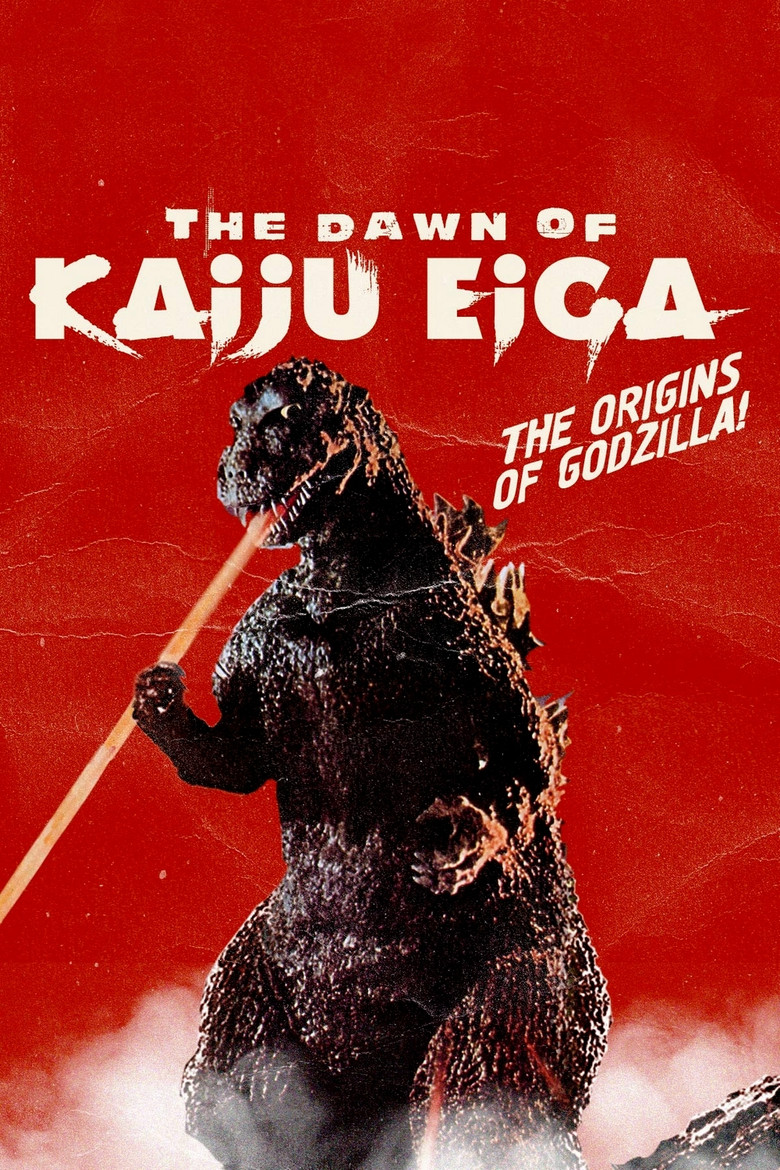
Japan, 1954. A legend emerges from the ashes of Hiroshima and Nagasaki, devastated by atomic bombs in 1945. The creature's name is Godzilla. The film that tells its story is the first of kaiju eiga, the giant monster movies.
Overall Score
Fair
Category Breakdown
LGBTQ+ Representation
The film focuses entirely on the historical emergence of the Godzilla mythos and the aftermath of WWII. It contains no LGBTQ+ narratives or critiques of heteronormativity.
Gender Representation
The documentary centers on industry history and geopolitical shifts in 1954 Japan. It lacks evidence of female agency or the subversion of traditional gender roles.
Racial & Ethnic Diversity
The film centers a non-Western perspective by focusing on Japanese history. It disrupts Western-centric lenses by prioritizing the Japanese experience of the atomic age.
Religious & Cultural Diversity
The narrative engages with themes of systemic trauma and critiques Western military hegemony. It frames Godzilla as a response to the consequences of nuclear devastation.
Disability Representation
There is no depiction of physical or neurodivergent identities within this documentary.
Strengths
Areas for Improvement
AI Analysis
The Dawn of Kaiju Eiga serves as a cultural and historical examination of post-war Japan. It succeeds by centering a non-Western narrative and exploring the cinematic response to national trauma. However, the film lacks representation in several key areas. There is no visible focus on gender dynamics, LGBTQ+ identities, or disability, resulting in a narrow demographic scope. Ultimately, the documentary's strength lies in its ability to frame genre history through the lens of geopolitical conflict and cultural resilience rather than individual identity politics.
2016

2007

1980

1982

2019

2015

2012
2006

2000

1970

2006
2007
No reviews yet. Be the first to share your thoughts on this movie!
Use the rating form above to leave a star rating and optional review.