A Short History of Nuclear Folly
2014
No user ratings available yet
Representation score: 1.9 out of 10
Representation Score
Limited
1980
Not RatedDirector
Jon Else
Runtime
89 minutes
Average Rating
No ratings yetNew Showbiz Analysis
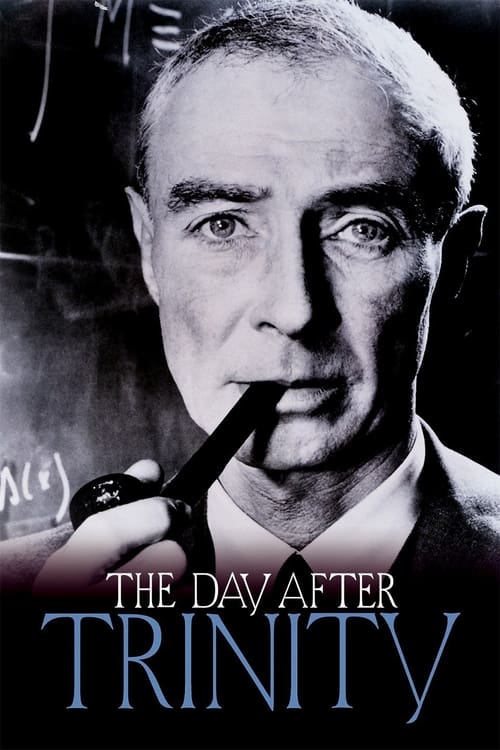
The Day After Trinity is a historical documentary that prioritizes accuracy to the era it depicts. Given its focus on the Manhattan Project, the cast of scientists and leaders is predominantly white, male, and cisgender. This results in limited demographic diversity. However, the film excels in cultural representation by deconstructing state-sponsored narratives. It moves beyond simple patriotism to explore the ethical tensions between scientific progress and state power. It frames the scientists' dissent as a vital moral rebellion. Ultimately, the film's diversity lies in its intellectual and ideological scope rather than its demographic variety. It challenges Western technological hegemony through a critical, non-nationalist lens.
Category Breakdown
The documentary focuses on mid-20th-century scientific and political history. It does not include any intentional focus on non-straight relationships or non-cisgender identities, reflecting the social norms of the time.
The film centers on the male-dominated scientific hierarchy of the 1940s. Women are mostly absent from the main scientific discussions, highlighting the historical gendered structure of authority.
The archival footage and interviews primarily feature white, Anglo-Saxon male scientists. The film reflects the historical demographic of the Manhattan Project's leadership without introducing diverse perspectives.
The film provides a critical look at the military-industrial complex and Western institutional power. It challenges nationalist narratives by presenting scientific dissent as a moral necessity.
The film does not focus on characters with visible or invisible disabilities. Disability is not used as a narrative device within this historical study.
Present on Screen
Limited or Absent
Official Synopsis
Through interviews with Manhattan Project scientists and newly declassified archival footage, this documentary examines the life of physicist J. Robert Oppenheimer and his leadership of the Manhattan Project. The film traces the development and testing of the first atomic bomb and follows Oppenheimer’s later opposition to nuclear proliferation during the early years of the Cold War.
2014
2023
1995

2012
1982

1984
2000
2020
No reviews yet. Be the first to share your thoughts on this movie!
Use the rating form above to leave a star rating and optional review.