
Nuremberg: The Nazis Facing their Crimes
2006
No user ratings available yet
Representation score: 0.6 out of 10
Representation Score
Fair
2017
TV-PGDirector
Marshall Curry
Runtime
7 minutes
Average Rating
No ratings yetNew Showbiz Analysis
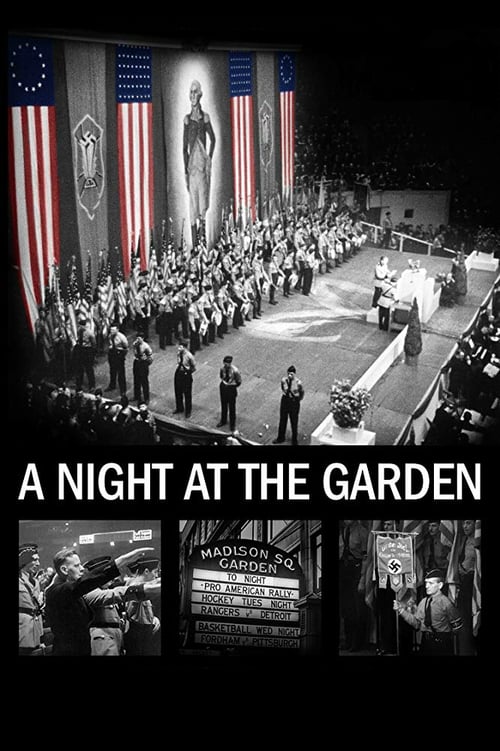
A Night at the Garden serves as a historical analysis of a 1939 Nazi rally. Despite limited direct representation of underrepresented groups due to the era's constraints, the film offers value through its deconstruction of systemic oppression. By using archival footage, the film critiques historical uniformity and the mechanisms of prejudice. It acts as a cautionary tale about how traditional power structures can marginalize minority groups. Overall, the documentary achieves progressive value by challenging idealized views of Western history through a critical examination of extremist ideologies.
Category Breakdown
The film does not prominently depict LGBTQ+ identities or non-traditional gender expressions from the 1930s era.
The movie showcases a male-dominated political environment typical of the time, without challenging traditional gender roles or leadership.
It critically examines white supremacist rhetoric and racial hierarchies of the 1930s, highlighting the 'othering' of underrepresented groups.
The documentary exposes the darker side of American history by revealing how institutions can be used to promote regressive movements.
The film does not focus on neurodiversity, physical disabilities, or mental health conditions within the archival footage or thematic structure.
Present on Screen
Limited or Absent
Official Synopsis
Archival footage of an American Nazi rally that attracted 20,000 people at Madison Square Garden in 1939, shortly before the beginning of World War II.
2006
1998
2021
1935

2016
1985
2022

2012
No reviews yet. Be the first to share your thoughts on this movie!
Use the rating form above to leave a star rating and optional review.