
The Helsinki Effect
2025
No user ratings available yet
Representation score: 3.6 out of 10
Representation Score
Limited
2014
TV-PGDirector
Robert Stone, Tim Toidze
Runtime
53 minutes
Average Rating
No ratings yetNew Showbiz Analysis
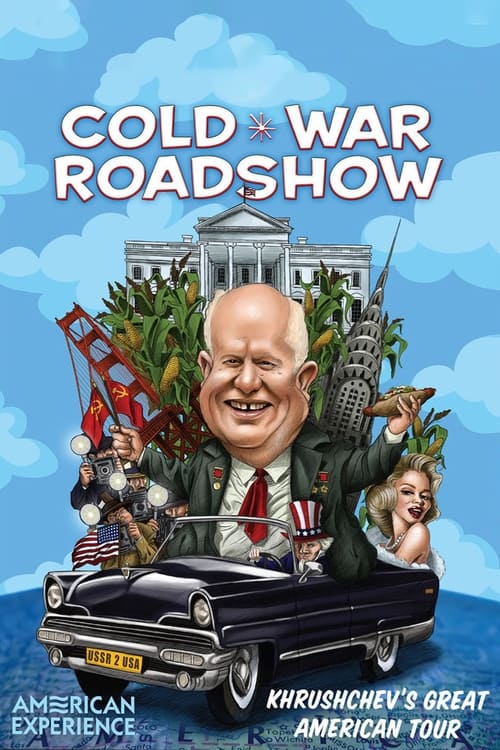
Cold War Roadshow is a historical account of Nikita Khrushchev's 1959 visit to the United States. Since the film sticks closely to the geopolitical realities of the era, it naturally lacks diverse social identities. The narrative structure emphasizes the big-picture conflicts between superpowers. This focus on institutional power and high-level diplomacy results in a largely homogeneous portrayal of history, centered on traditional hierarchies. Ultimately, the film aims to deconstruct international relations rather than challenge social identity structures. It captures the systemic concerns of the Cold War era without broadening its scope to include diverse social identities.
Category Breakdown
The documentary does not feature any LGBTQ+ characters or stories. It focuses on high-level diplomatic interactions during a time when society was very focused on straight relationships.
Leadership roles are dominated by figures traditionally associated with masculinity, such as Khrushchev and Eisenhower. The story reflects the strong emphasis on male hierarchies in mid-century geopolitics.
The film highlights the predominantly white political leadership of the time. While it covers the American landscape of 1959, it does not give much attention to underrepresented voices.
The film offers a detailed look at the tension between Western capitalism and Soviet communism. It avoids simplistic clichés by examining the complexities of peaceful coexistence.
There is no indication of how individuals with physical or neurodivergent conditions are portrayed.
Present on Screen
Limited or Absent
Official Synopsis
Cold War Roadshow tells the story of one of the most bizarre episodes in the annals of modern history — the unprecedented barnstorming across America in the fall of 1959 by Soviet Premier Nikita Khrushchev, the world leader of communism and America’s arch nemesis. At the very height of the Cold War, with American schoolchildren practicing duck-and-cover drills, the man who Americans feared could incinerate them in a rain of hydrogen bombs arrived in Washington, D.C. at the invitation of President Eisenhower. For both men, the visit was an opportunity to halt the escalating threats of the Cold War and chart a new course toward peaceful coexistence. For the American press, it was the media blockbuster story of the year.
2025
2012
2015
2015
2012
2020
2018
2015
No reviews yet. Be the first to share your thoughts on this movie!
Use the rating form above to leave a star rating and optional review.