
Home Sweet Home
2001
No user ratings available yet
Representation score: 4.2 out of 10
Representation Score
Good
2018
Director
Junji Kojima
Runtime
104 minutes
Average Rating
No ratings yetNew Showbiz Analysis
Hot Ashes is a grim domestic drama that prioritizes social critique over demographic breadth. Its strength lies in its unflinching deconstruction of patriarchal structures and the cyclical nature of domestic violence. By portraying the husband's aggression and the son's mimicry, the film exposes how traditional gender roles can become tools of oppression. However, the film lacks multi-layered variety. It is culturally specific to a Japanese context and does not include LGBTQ+ representation or multi-ethnic perspectives. This narrow focus limits its demographic reach despite its thematic depth. Ultimately, the film succeeds as a psychological study of familial disintegration. It trades broad representation for a concentrated, intense examination of how traditional institutions can fail the individuals within them.
Category Breakdown
The film focuses on a strictly heterosexual relationship without representing LGBTQ+ identities or non-traditional relationships. It centers on a dysfunctional heterosexual household.
The film critiques patriarchal control by showing the husband's violence as a tool of tyranny rather than leadership.
The production focuses on a homogeneous Japanese social environment, lacking multi-ethnic casting or diverse racial representation.
The film challenges the sanctity of the nuclear family by depicting marriage and the domestic home as sites of trauma and dysfunction.
The film explores mental health through the mother-in-law's psychological decline, examining fragility in a high-stress environment, though the character's role in driving the story is unclear.
Present on Screen
Limited or Absent
Official Synopsis
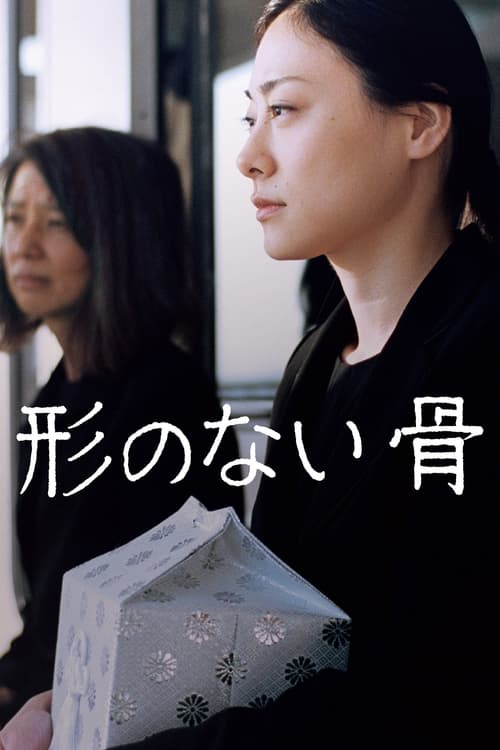
Ryoko's husband forges art for a living and beats her for trying to work outside the conjugal home. Her young son mimics her husband's behavior and her mother-in-law sanity slowly disintegrates as she treks to the cemetery everyday.
2001

2013

2008
1970
2020
2002

2005

1994
No reviews yet. Be the first to share your thoughts on this movie!
Use the rating form above to leave a star rating and optional review.