Face
2000
No user ratings available yet
Representation score: 4.0 out of 10
Representation Score
Good
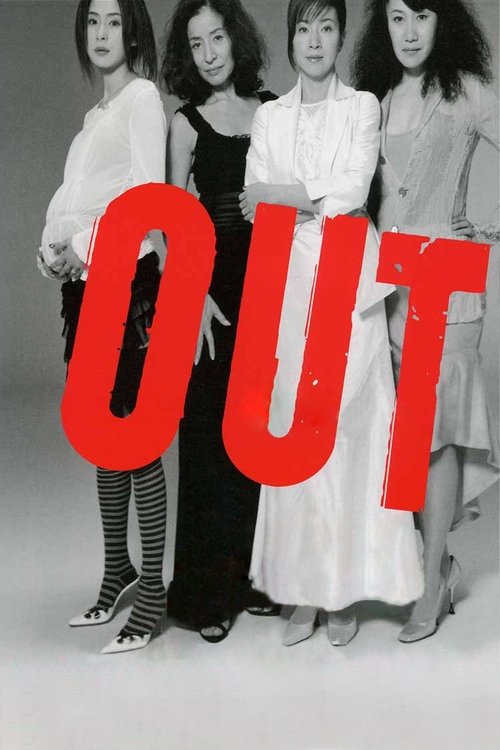
2002
Director
Hideyuki Hirayama
Runtime
119 minutes
Average Rating
No ratings yetNew Showbiz Analysis
Out is a dark satire that uses extreme violence to dismantle patriarchal structures. By transforming victims of domestic abuse into active agents of retribution, the film challenges the expectation of female passivity. The strength of the film lies in its deconstruction of gendered power dynamics. It portrays the domestic sphere as a site of struggle rather than a sanctuary, providing a sharp critique of traditional social institutions. However, the film remains demographically narrow and lacks representation for LGBTQ+ identities or individuals with disabilities. Its focus is deeply rooted in a specific, straight-centered, and culturally homogeneous Japanese setting.
Category Breakdown
The film focuses solely on heterosexual relationships within the home. There are no visible queer stories or non-straight identities in the main plot.
The narrative challenges traditional gender roles by centering women who reclaim control through violent retaliation. It breaks down the submissive housewife stereotype, depicting the domestic sphere as a site of systemic oppression.
As a Japanese production, the film features a predominantly Japanese cast. While the cast is ethnically uniform, it maintains cultural authenticity without whitewashing.
The film critiques rigid social expectations and the traditional family unit in Japanese society. It highlights systemic frustration and institutional oppression through the struggles of the working class.
There is no significant focus on visible or invisible disabilities. Psychological trauma drives the plot rather than exploring neurodivergence or chronic illness.
Present on Screen
Limited or Absent
Official Synopsis
When pregnant lunchbox factory worker Yayoi has finally taken all the abuse she can handle, she strangles her brutish husband and disposes of the body parts, piece by piece. She's soon joined by three down on their luck housewives who murder their own husbands and find various ways to hide the evidence.
2000

2001
2018
2005
1978
1972
1966
2010
No reviews yet. Be the first to share your thoughts on this movie!
Use the rating form above to leave a star rating and optional review.