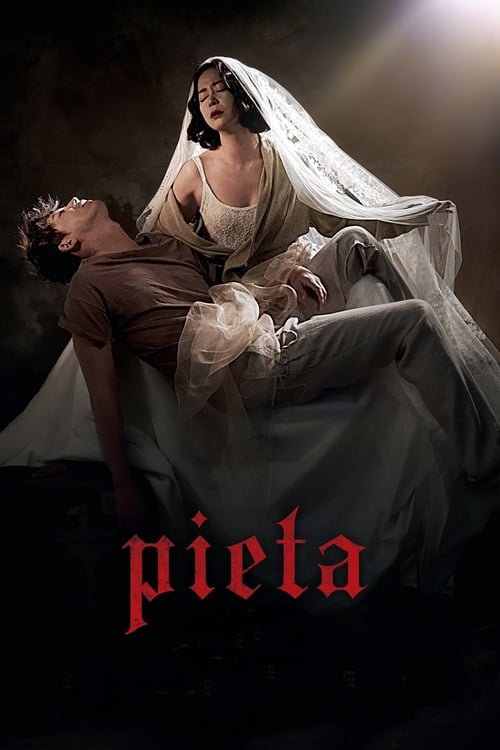
Pieta
2012
No user ratings available yet
Representation score: 6.3 out of 10

Representation Score
Fair
2013
NRDirector
Kim Ki-duk
Runtime
89 minutes
Average Rating
No ratings yetNew Showbiz Analysis
Kim Ki-duk’s Moebius is a transgressive exploration of domestic disintegration. It successfully dismantles traditional gender roles and institutional moralities, offering a raw, secular perspective on human behavior. However, the film is highly localized and homogeneous, lacking racial diversity and LGBTQ+ representation. It focuses on the subversion of familial boundaries within a heterosexual context. Ultimately, the film prioritizes a deep, nihilistic critique of the nuclear family structure over demographic breadth.
Category Breakdown
The film centers on a close-knit, heterosexual trio and examines unconventional sexual desires. However, it does not feature LGBTQ+ identities or narratives that question heterosexuality.
The movie disrupts traditional gender hierarchies by showing the female protagonist as the driving force behind the destruction. It portrays masculinity as weak and unable to maintain order.
The story focuses on a homogeneous rural South Korean family. It lacks multicultural integration and diverse racial representation.
The narrative breaks down the concept of the nuclear family through extreme moral ambiguity. It rejects traditional religious and state-imposed moralities in favor of a bleak existential outlook.
There are no characters with visible or invisible disabilities playing central roles in the narrative. The story focuses on psychological and physical trauma.
Present on Screen
Limited or Absent
Official Synopsis
A wife, overwhelmed with hatred for her husband, inflicts an unspeakable wound on their son, as the family heads towards horrific destruction.
2012

2002

2000

2013

2014

2004
2011

2010
No reviews yet. Be the first to share your thoughts on this movie!
Use the rating form above to leave a star rating and optional review.