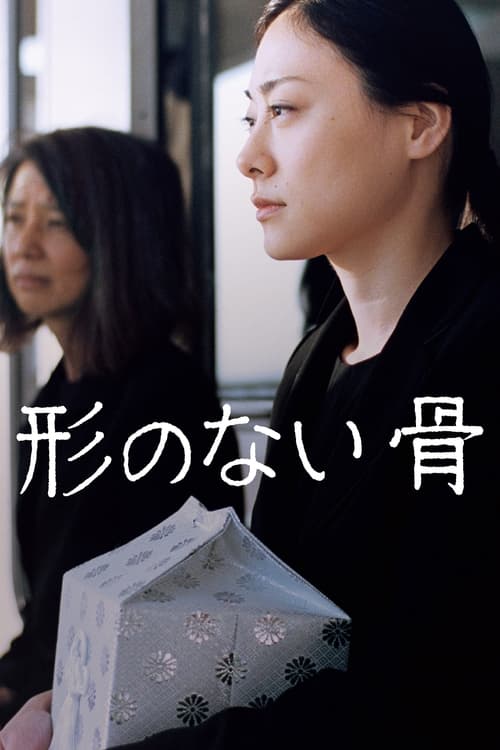
Hot Ashes
2018
No user ratings available yet
Representation score: 7.9 out of 10
Representation Score
Limited
2005
Director
Shun Nakahara
Runtime
85 minutes
Average Rating
No ratings yetNew Showbiz Analysis
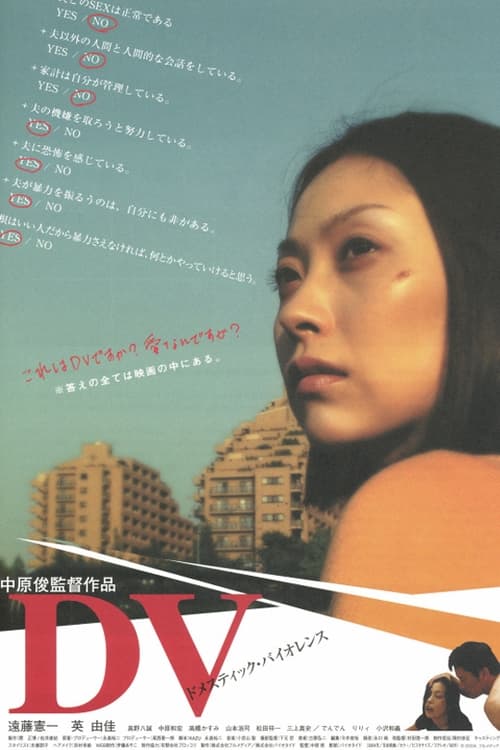
DV: Domestic Violence is a focused critique of traditional gendered power dynamics. It succeeds in deconstructing the idealized family unit by framing rigid domestic roles as precursors to systemic interpersonal violence. However, the film lacks breadth in terms of diversity. The narrative operates within a very narrow demographic scope, offering little representation for LGBTQ+ identities or diverse racial backgrounds. Ultimately, the film's impact is driven by its interrogation of patriarchal stability rather than its demographic variety.
Category Breakdown
The film centers on a heterosexual relationship without any representation of LGBTQ+ identities or non-cisgender identities.
The story critiques patriarchal structures by highlighting the violation of women's ability to drive the story. It challenges the protective husband cliché by showing the male figure as a source of trauma.
The production features a homogeneous Japanese cast and setting, lacking diverse racial backgrounds.
The narrative challenges the sanctity of the nuclear family by portraying traditional marriage expectations as oppressive. It depicts the domestic sphere as a site of corruption.
There are no visible or invisible disabilities central to the character arcs in this film.
Present on Screen
Limited or Absent
Official Synopsis
Shogo (Kenichi Endo) and Yasuko (Yuka Hanabusa) are happily married. Until one evening when he slaps her in the face for reconsidering the promise she made before their wedding: to quit her job and devote herself to domestic chores once the knot was tied. From that first instance of aggression, things rapidly spiral out of control. Mounting violence becomes the new order of the day between the couple. (from midnighteye.com)
2018

2013

2016

2002

2007

2009

2022

2001
No reviews yet. Be the first to share your thoughts on this movie!
Use the rating form above to leave a star rating and optional review.