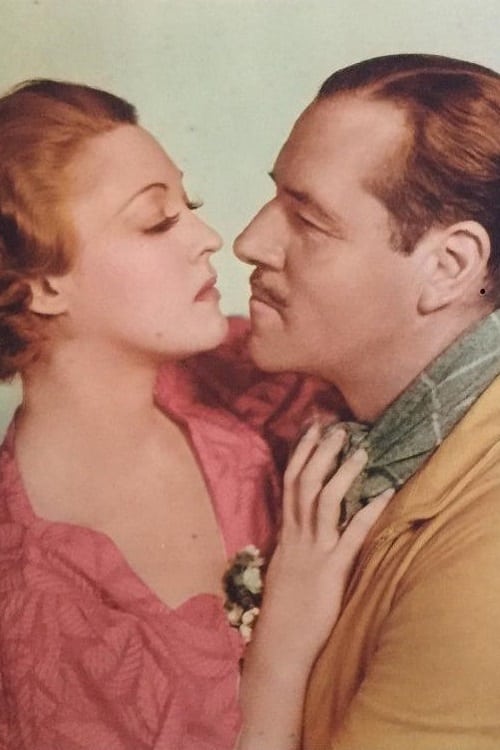
The Awakening of Jim Burke
1935
No user ratings available yet
Representation score: 0.8 out of 10
Representation Score
Minimal
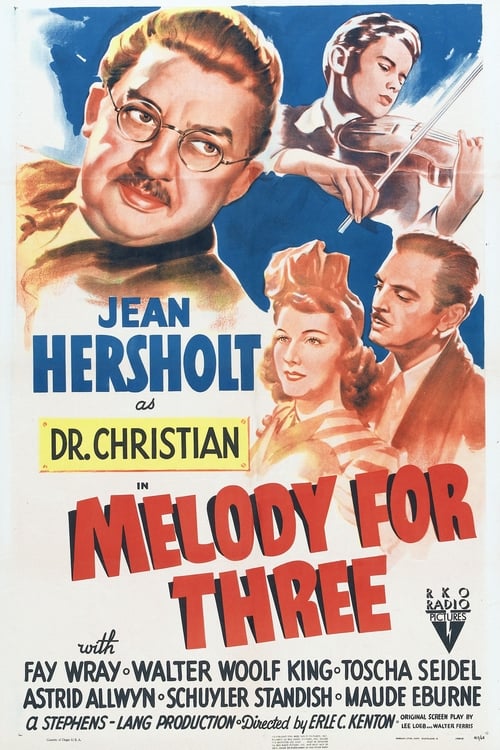
1941
ApprovedDirector
Erle C. Kenton
Runtime
67 minutes
Average Rating
No ratings yetNew Showbiz Analysis
Melody for Three is a conventional mid-century drama that prioritizes the restoration of the traditional nuclear family. The plot follows a doctor's attempt to reunite a divorced couple, reinforcing established social hierarchies and domestic norms. The film lacks meaningful representation of diverse identities, instead adhering to the homogeneous casting and cultural standards of 1941 Hollywood. It functions as a reinforcement of the status quo rather than a subversion of it.
Category Breakdown
The film focuses on restoring a traditional nuclear family. There are no characters with non-straight or non-cisgender identities, nor any critique of the assumption that everyone is straight or cisgender.
A maternal music teacher and a male doctor play key roles in driving the plot. The narrative emphasizes returning characters to traditional gendered family roles.
The film reflects the homogeneous demographic norms of 1941 Hollywood. It lacks a diverse cast that includes non-Anglo-Saxon actors.
The story prioritizes Western values regarding family sanctity. It emphasizes social stability and the restoration of the domestic status quo.
The narrative provides no information regarding the depiction of physical or neurodivergent disabilities.
Present on Screen
Limited or Absent
Official Synopsis
Dr. Christian takes an interest in a young boy, a violin prodigy, whose mother is a divorced music teacher. His interest isn't just in the boy's music career--he believes it would be best for the boy to have his parents back together, and sets out to do just that.
1935
1937
1920
1961
1934

2022

1941

1921
No reviews yet. Be the first to share your thoughts on this movie!
Use the rating form above to leave a star rating and optional review.