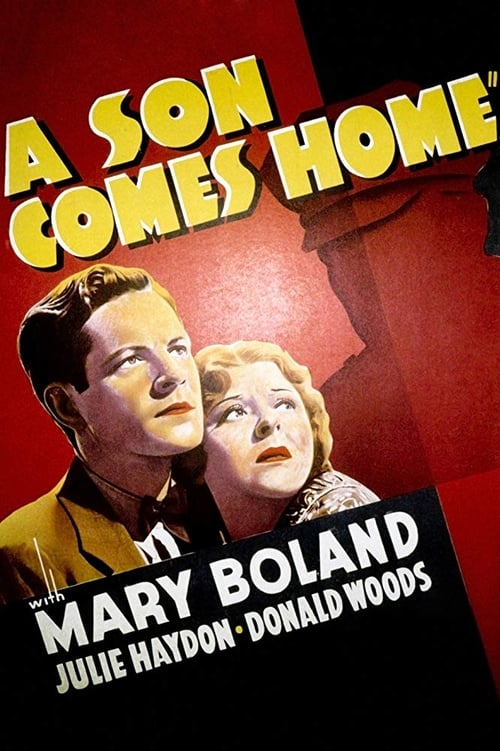
A Son Comes Home
1936
No user ratings available yet
Representation score: 1.4 out of 10

Representation Score
Minimal
1930
PassedDirector
Hobart Henley
Runtime
76 minutes
Average Rating
No ratings yetNew Showbiz Analysis
Mothers Cry is a traditional domestic melodrama that adheres strictly to the social and cinematic norms of the early 1930s. The narrative architecture prioritizes classical themes of maternal devotion and the consequences of familial dysfunction. While the protagonist, Mary Williams, displays strength through her ability to raise children alone, the film’s structure remains rooted in conventional gender roles. The conflict is driven by individual moral failings rather than broader societal issues. Ultimately, the film lacks the complexity required to challenge traditional hierarchies, functioning instead as a standard moralistic drama of its era.
Category Breakdown
The film does not include any LGBTQ+ characters or narratives. The story focuses on a traditional family structure without challenging assumptions about straight relationships.
Mary Williams shows resilience as a widow raising four children alone. However, her role is defined by maternal endurance and suffering within a traditional domestic framework.
There is no evidence of diverse racial or ethnic identities in the cast. The film follows the homogeneous casting practices typical of the 1930s.
The plot reinforces conventional moralistic views regarding family stability. It centers on individual moral failings rather than exploring secularist or anti-institutional themes.
The narrative contains no mention of characters with visible or invisible disabilities.
Present on Screen
Limited or Absent
Official Synopsis
Having raised four children alone, widow Mary Williams still manages to love her eldest son, vicious and sadistic Danny Williams, who has led a life of crime and now returns to inflict his insane behavior on the family household.
1936

1929
1934
1931
1930

1920
1920
1937
No reviews yet. Be the first to share your thoughts on this movie!
Use the rating form above to leave a star rating and optional review.