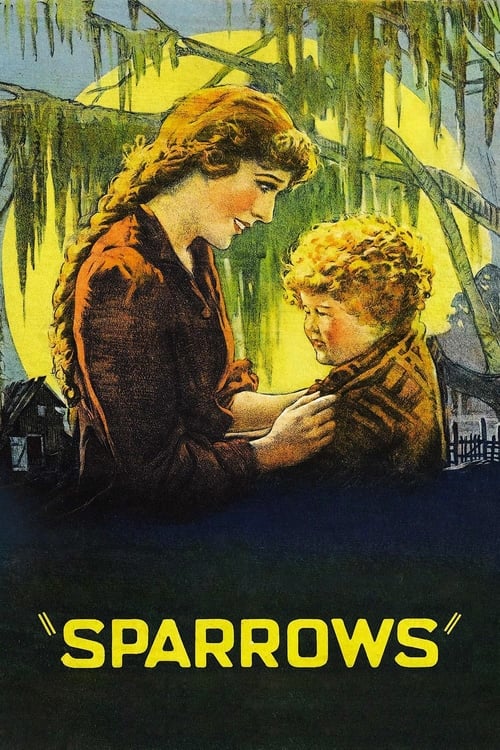
Sparrows
1926
No user ratings available yet
Diversity score: 4.3 out of 10
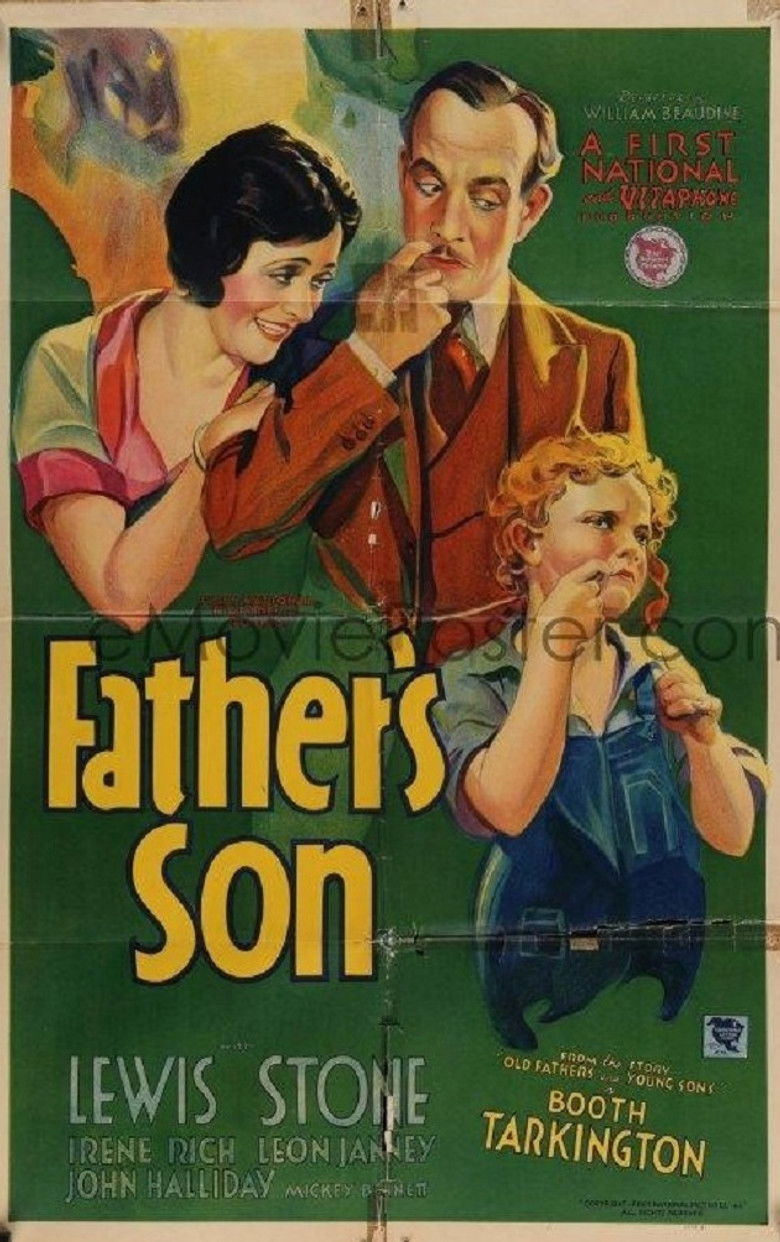
1931
PassedDirector
William Beaudine
Runtime
76 minutes
Average Rating
No ratings yetSynopsis
Young Bill Emory is a typical mischievous, rambunctious boy, but his father William is a strict disciplinarian, and Bill is constantly being punished for simple childhood transgressions. Finally Bill can take no more of his father's excessive punishments and runs away. Complications ensue.
Overall Score
Limited
Category Breakdown
LGBTQ+ Representation
The film lacks LGBTQ+ characters or narratives addressing non-cisnormative identities. It follows a traditional domestic structure centered on a nuclear family.
Gender Representation
The story focuses on a patriarchal conflict between a strict father and his son. There is no evidence of female agency or the disruption of gendered roles.
Racial & Ethnic Diversity
The narrative appears to adhere to the era's standard of depicting white, Western family structures. No diverse casting or non-white central characters are mentioned.
Religious & Cultural Diversity
The film explores themes of parental authority and discipline. The conflict remains a localized domestic struggle centered on the traditional family unit.
Disability Representation
There is no information regarding characters with visible or invisible disabilities in this production.
Strengths
Areas for Improvement
AI Analysis
Father's Son is a conventional domestic drama that reinforces the social and narrative constraints of early 1930s cinema. The plot centers on a singular, patriarchal conflict between a strict father and a rebellious son, offering little room for broader social exploration. The film lacks intersectional complexity, focusing instead on a traditional family hierarchy. It does not present diverse identities, nor does it challenge the era's standard depictions of race, gender, or sexuality. Ultimately, the work functions as a standard studio-era narrative that prioritizes traditional moral frameworks over systemic critique or diverse representation.
1926
1934
1938
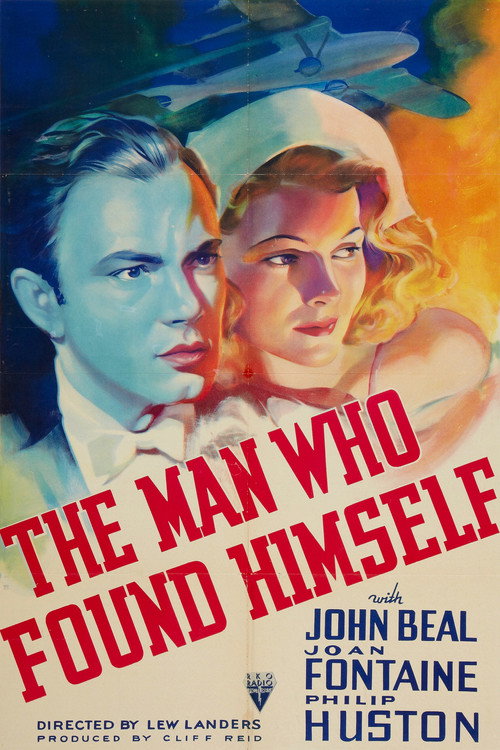
1937
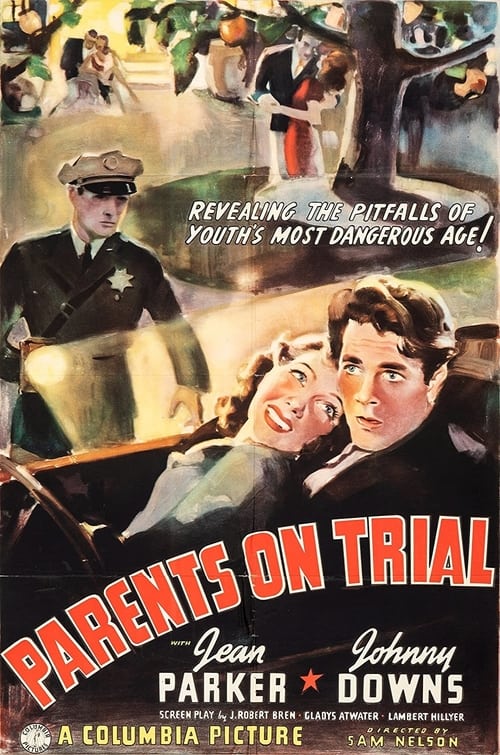
1939
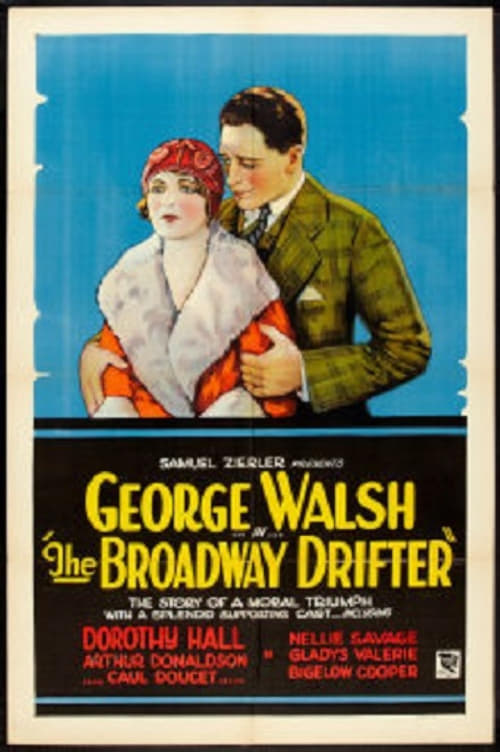
1927
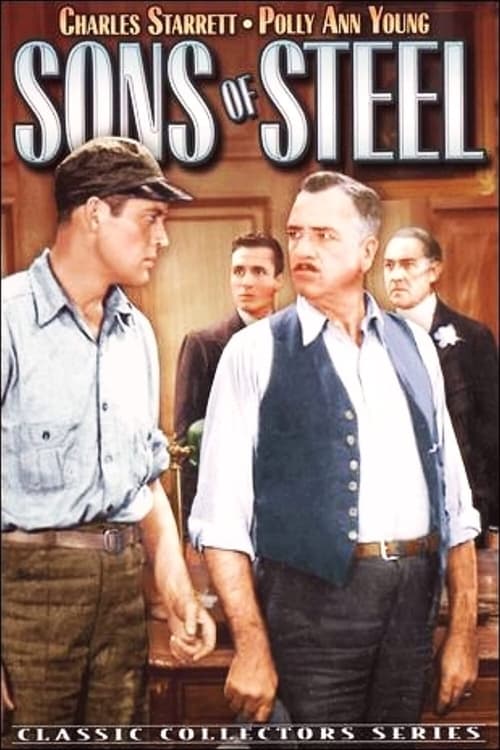
1934
1945
1931
1928
1934

1950
No reviews yet. Be the first to share your thoughts on this movie!
Use the rating form above to leave a star rating and optional review.