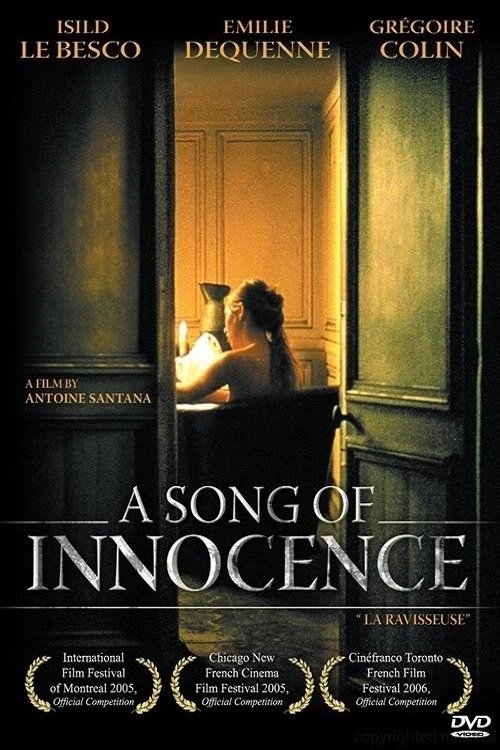
A Song of Innocence
2005
No user ratings available yet
Representation score: 5.9 out of 10
Representation Score
Excellent
1999
Director
Marco Bellocchio
Runtime
106 minutes
Average Rating
No ratings yetNew Showbiz Analysis
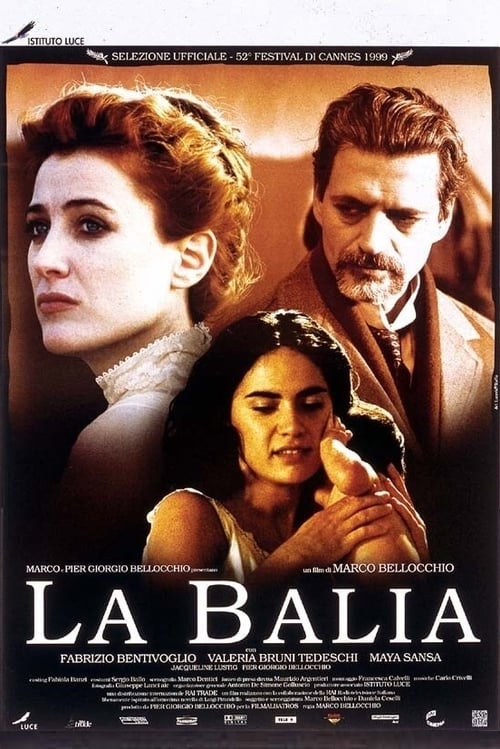
Marco Bellocchio’s drama succeeds by dismantling the stability of the bourgeois family. By focusing on the wet nurse, Annette, the film shifts power from traditional patriarchal and maternal structures to a underrepresented class figure. The film effectively critiques social and medical institutions. It uses the tension between urban elites and rural peasants to explore themes of intellectual autonomy and systemic repression. However, the film remains limited in its explicit representation of identity. It lacks overt LGBTQ+ visibility and treats disability as a symbolic tool for institutional critique rather than a lived experience.
Category Breakdown
The film does not explicitly focus on non-straight relationships or gender identities. Instead, it explores unconventional emotional bonds through a psychological perspective.
The story challenges traditional gender roles by showing the male psychiatrist as ineffective. It highlights the wet nurse's role as a key figure with significant influence.
Set in early 20th-century Italy, the film emphasizes class differences over ethnic diversity. It uses the contrast between peasants and the bourgeoisie to critique systemic oppression.
The film critiques Western institutions, depicting the family and medical establishments as sources of repression. It incorporates leftist political movements to challenge established social orders.
The psychiatric asylum serves as a symbol of institutional control. The film focuses on sociological dynamics rather than the personal experiences of characters with disabilities.
Present on Screen
Limited or Absent
Official Synopsis
Rome, early 20th century: a wealthy psychiatrist, who runs an asylum for women and lacks imagination in his practice, must find a wet nurse for his infant when his wife panics after childbirth. He brings a peasant, Annette, to Rome, forcing her to leave her own baby behind. To the consternation and increasing anger of the wife, the nanny immediately bonds with the couple's infant son - Annette's a natural. Against a backdrop of leftist demonstrations, Annette, who's lover is a teacher jailed for subversion, asks the doctor to teach her to read and write. Her nature and curiosity, the doctor's bland ideas, he and his wife's problems, and the two infants bring the story to a head.
2005

1970
2015
1970

1975
1994
1933
1969
No reviews yet. Be the first to share your thoughts on this movie!
Use the rating form above to leave a star rating and optional review.